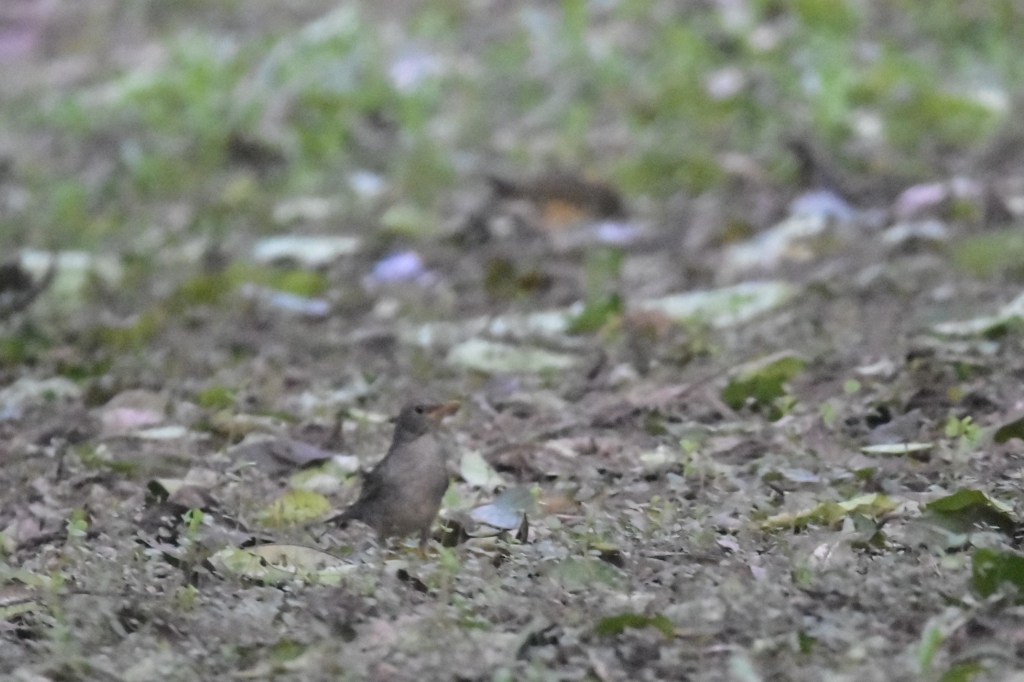
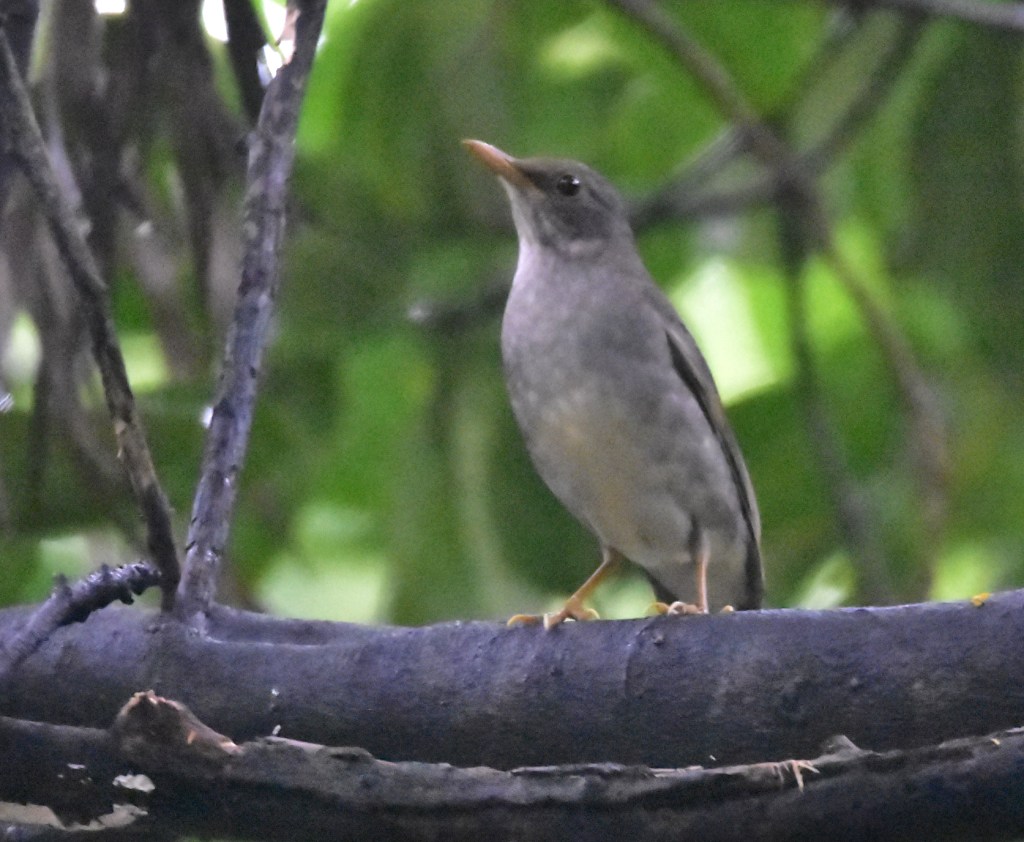
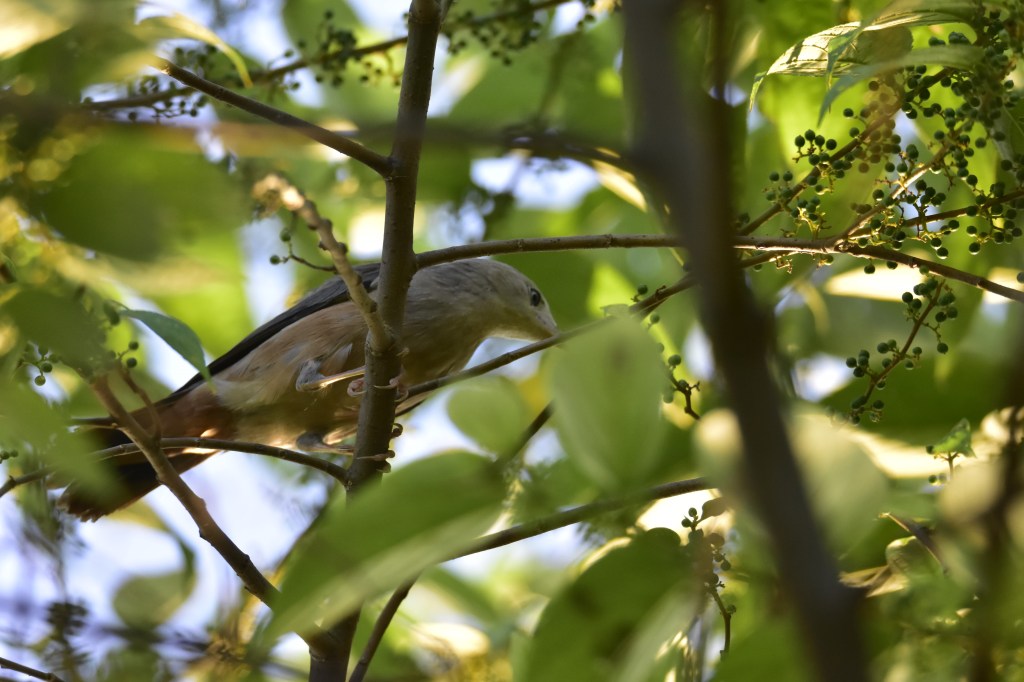
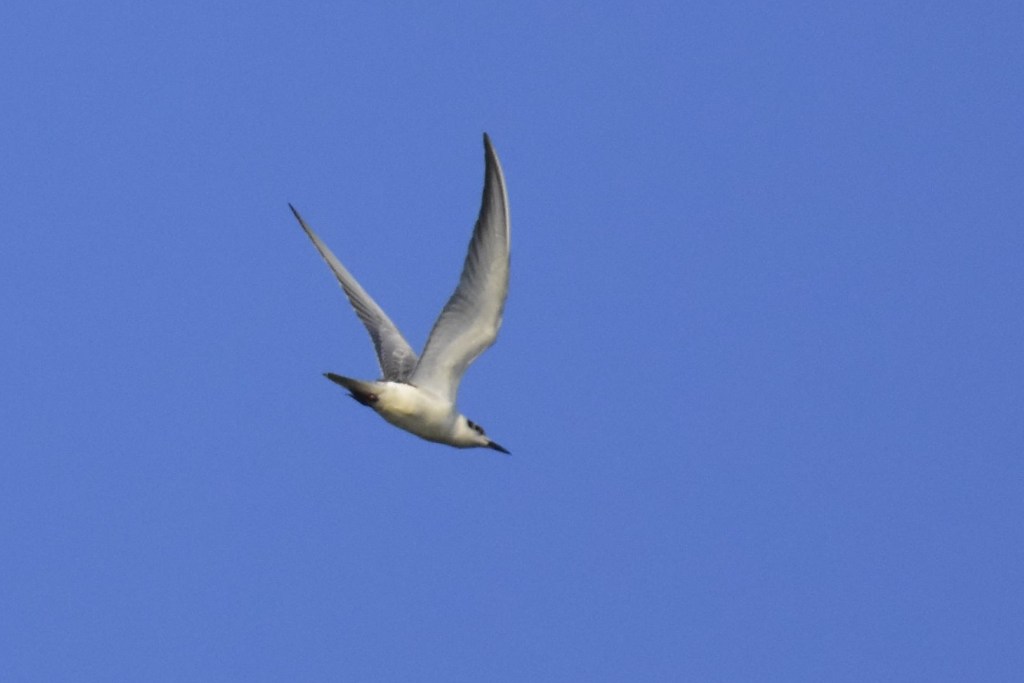
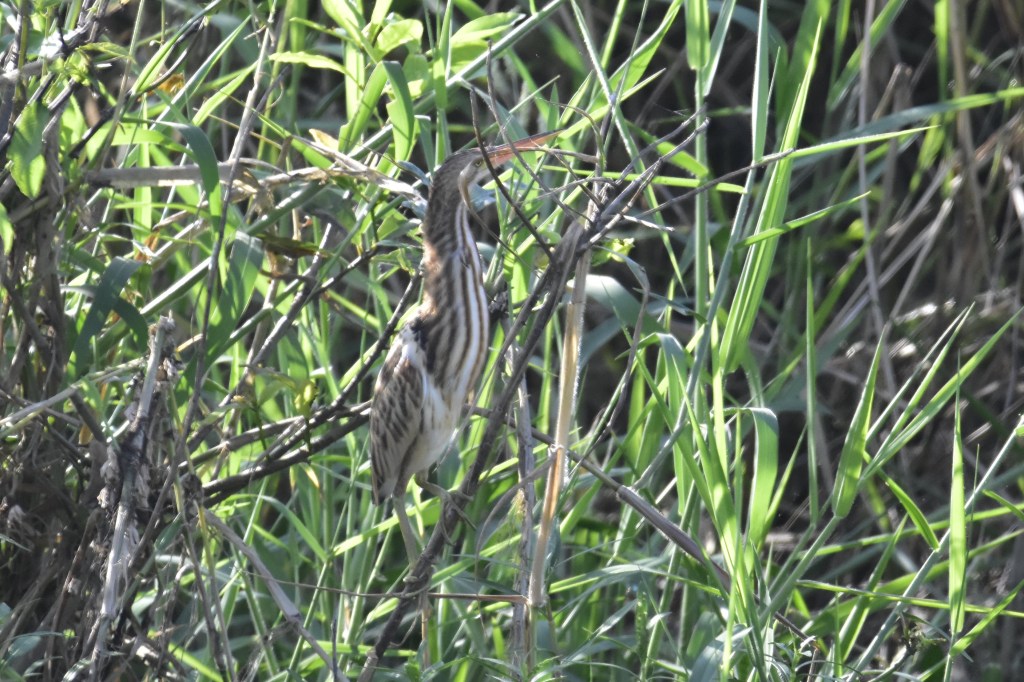
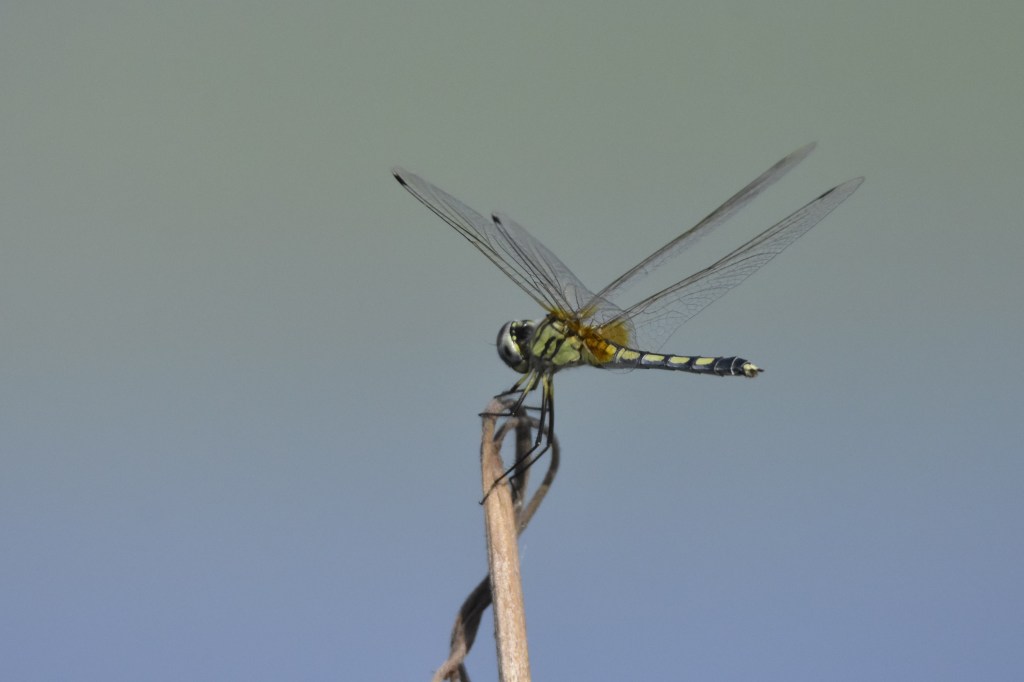
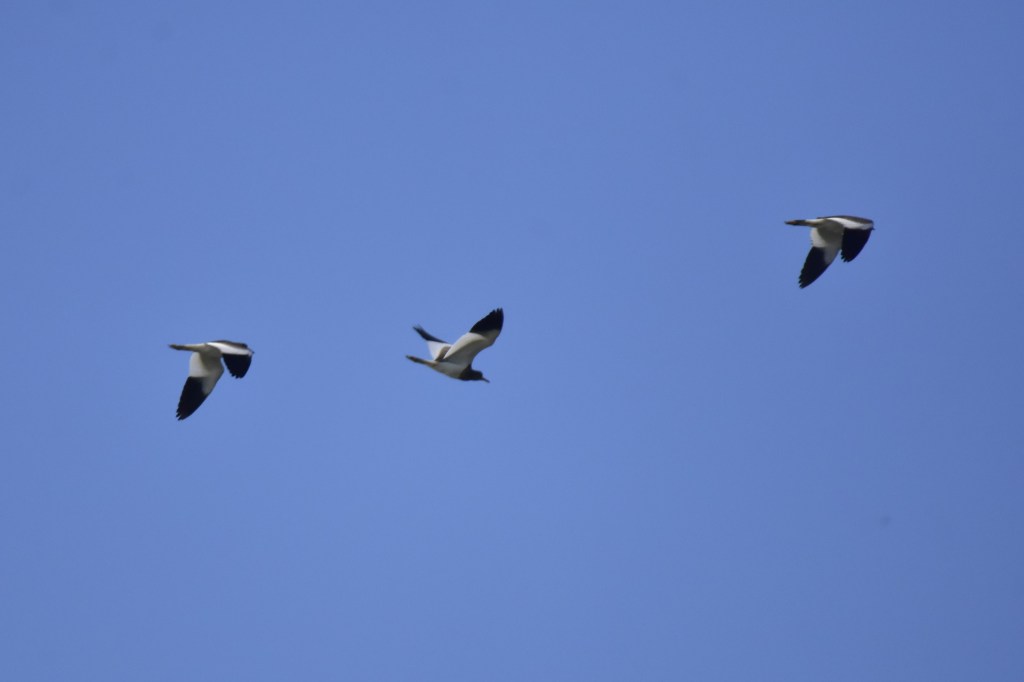
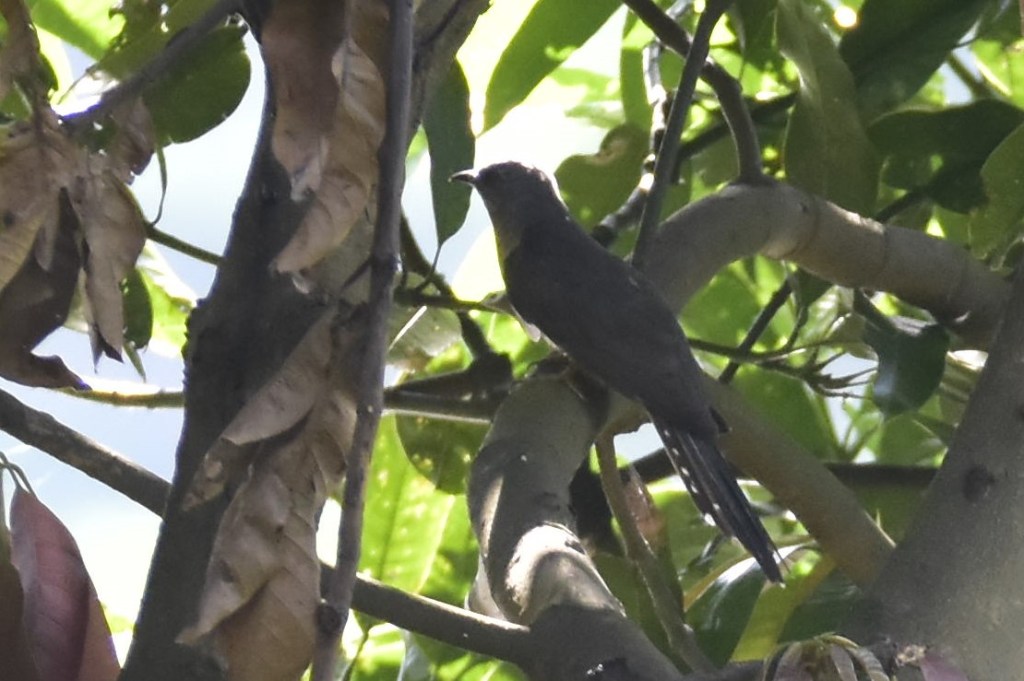
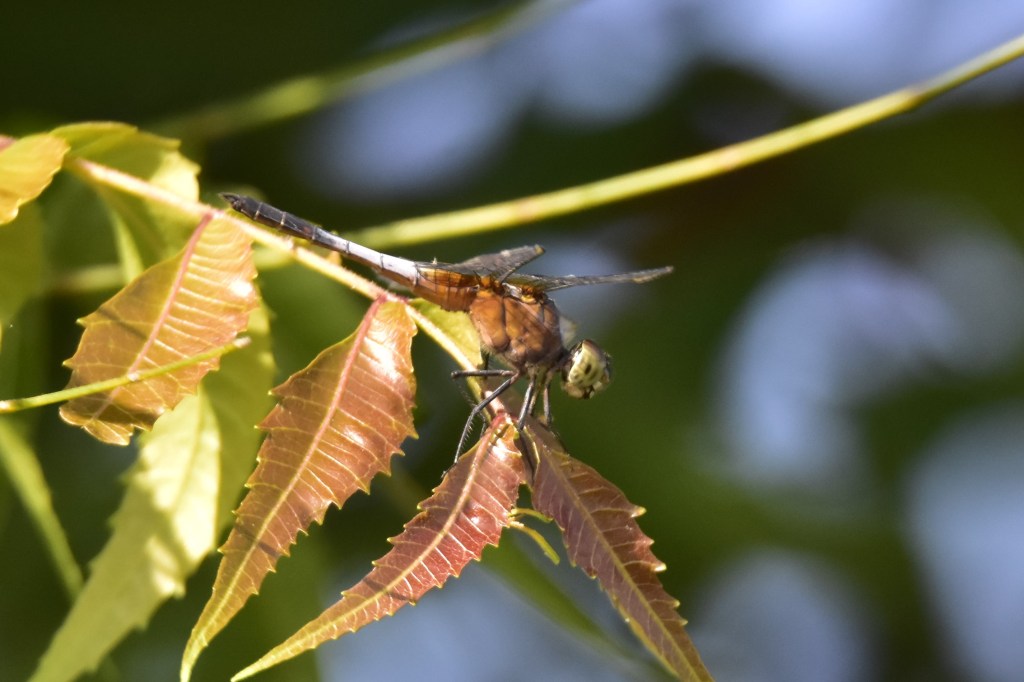
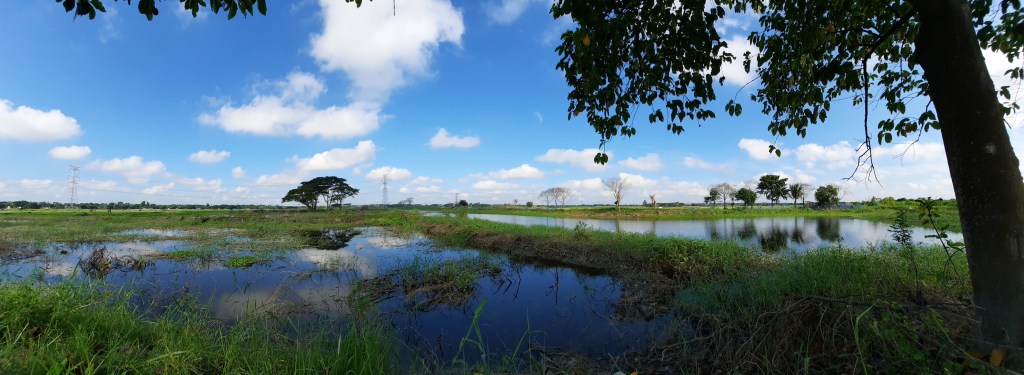
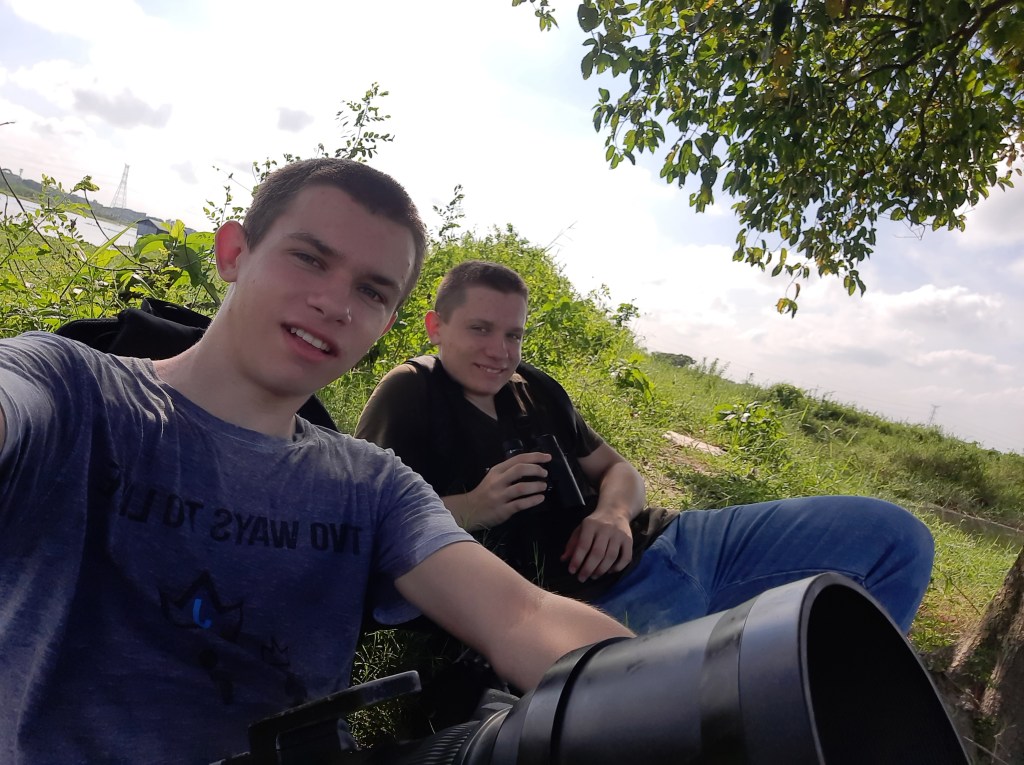
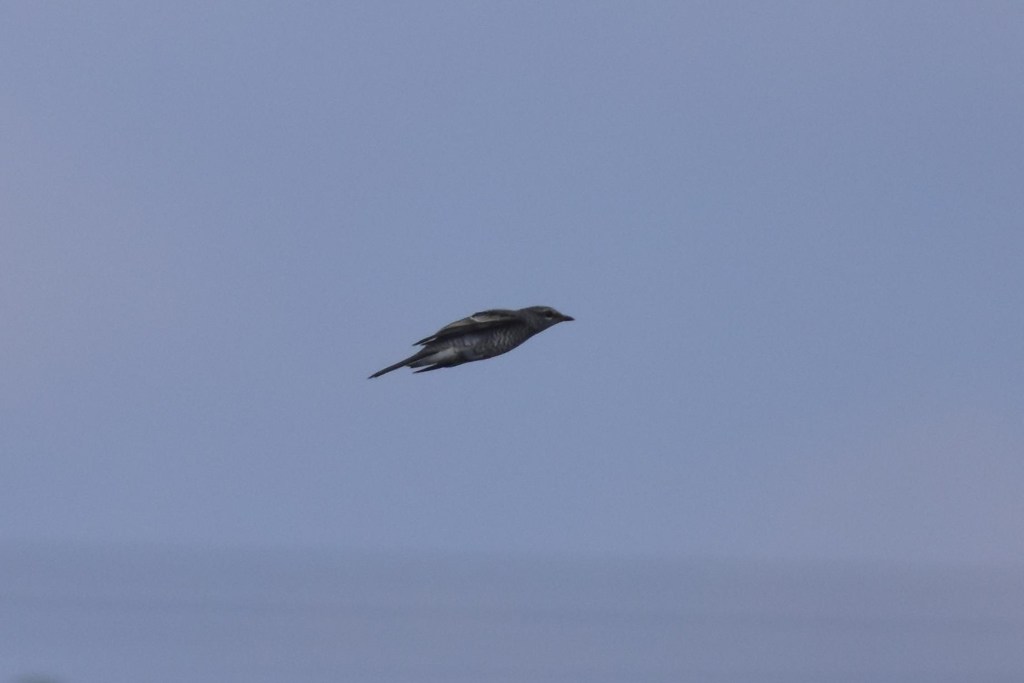
Eastern Kansas, early June 2023

Well, it’s been almost another year since my last blog post. I spent this last year at a small college in northwestern Pennsylvania. I got back to Kansas two weeks ago after our choir tour. A day after I got back I was suddenly thought I should really get a birding trip in this summer and the sooner the better to maybe catch a few late migrants. So two days later Anthony, Michael, Franklin and I left our house at 3 am headed for Konza Prairie and two days running around eastern Kansas. I had a number of targets with the main ones (all possible lifers) being Eastern Whip-poor-will, Henslow’s Sparrow, and three flycatchers: Yellow-bellied, Alder, and Acadian. I also hoped for Black Vultures which would be state bird and maybe some surprise late warbler or other migrant.

At 5 am after our two hour drive we pulled off on a little dead end road where we hoped to hear several nocturnal species with Whip-poor-wills being the main draw. Right away we had multiple Common Nighthawks (quite common in Kansas) flying over giving their buzzy nasal calls and a few doing their booming display. Several Chuck-wills-widows called loudly down by the creek bottom. Then after we pulled forward just a little farther we heard our first Eastern Whip-poor-will calling away (recording here)! This was a lifer for me and a state lifer for all of us, so we were pretty excited. What a fantastic way to the start the day. We spent another 10 to 15 minutes listening at different spots along the road, and heard a few more chucks and whips, but no Common Poorwills.

We then drove a few minutes to Konza Prairie and ate a bit in the parking lot as we waited for it to get a bit closer to dawn before heading out on the trails. A few other vehicles were in the parking lot including two guys talking loudly about the elk hunting they hope to do this next fall. They headed out on the trail with big packs so I guess they were trying to get in shape for hunting in Colorado. The dawn chorus was really starting to warm up by now. Many Dickcissels, a Lark Sparrow or two, and a few Eastern Meadowlarks were singing from the fields and a Red-eyed Vireo, Great Crested Flycatcher, Tufted Titmouse, Indigo Buntings and other common woodland species sang from the wooded area. At least two separate Wild Turkeys were gobbling. An early highlight as we headed through the wooded area toward the prairie was a nice singing Kentucky Warbler which we all heard, but it remained skulking in the underbrush and only Franklin really saw it. As we got to the top of the hill we were greeted with a gorgeous sunrise. The Flint Hills are one of the best parts of Kansas and a lovely sunrise only makes it better.
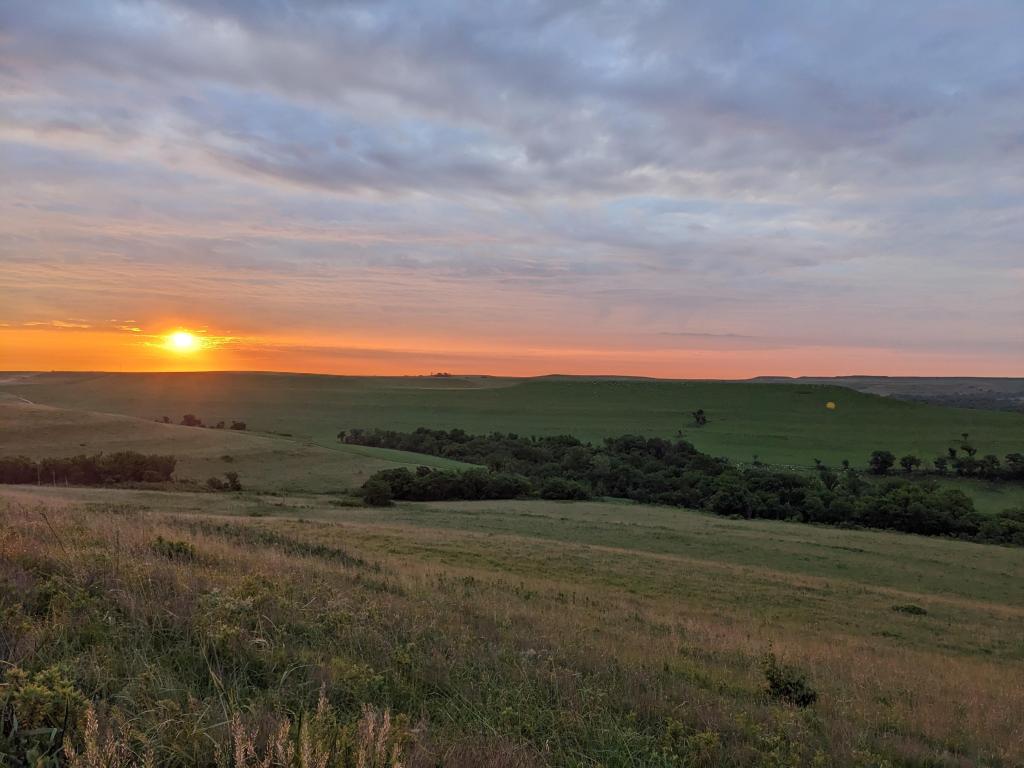
Our main target in this rolling prairie on the flint hills is Henslow’s Sparrow. They have an odd, short buzzy insect like song that would be pretty easy to miss, but we had all listened to recordings of of it beforehand so we’d hopefully pick it out. Henslow’s Sparrows are an uncommon breeding species in the eastern third of Kansas in the right habitat. Konza Prairie is one of the more well known consistently reliable spots for them so we figured we should find at least one or two. There are 3 loops of trail roughly 2, 4, and 6 miles respectively. I noticed that most eBird lists with Henslow’s Sparrows had a distance of just over 4 miles so I figured that was the loop to take. The first mile seemed like relatively good habitat for Henslow’s but we didn’t hear any Henslow’s or the more common breeding Grasshopper Sparrows. About a quarter mile after the first and second trails split we heard our first Grasshopper Sparrow and then a few hundred yards farther on a sparrow flushed giving a quick “tink” call as it flew. Anthony and I immediately said Henslow’s! The others had heard it but none of us had good looks as it quickly dropped over the side of a hill and disappeared. After waiting a bit we moved on and about half a mile farther on we had one consistently singing. Unfortunately it insisted on staying buried in the low vegetation and we never got good looks. But we were all quite glad to have gotten a lifer even with less than satisfactory views.

Other than the Henslow’s Sparrows, the prairie birds were fairly standard with no surprises. Many meadowlarks and dickcissels sang throughout and numerous Northern Bobwhites were calling. Early on one bobwhite popped out into the open for a bit and Franklin and I both took a few photos, but mine did not turn out in the low light.
(I’ll be including some of Franklin’s photos throughout this post as he took more and some better photos than I did. Any of his photos will be credited in the image caption.)

Northern Bobwhite
© Franklin Miller
Dickcissels were common throughout the prairie (and the whole trip). This one was actually from a different spot later in the trip, but including it here for reference.
© Franklin Miller

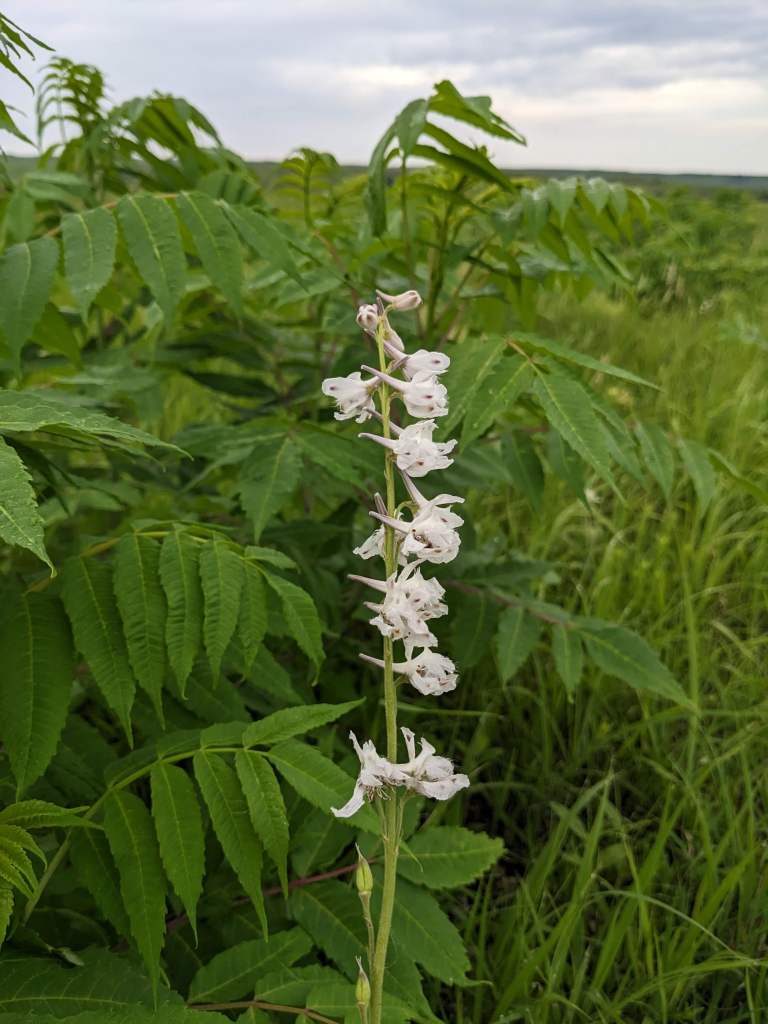
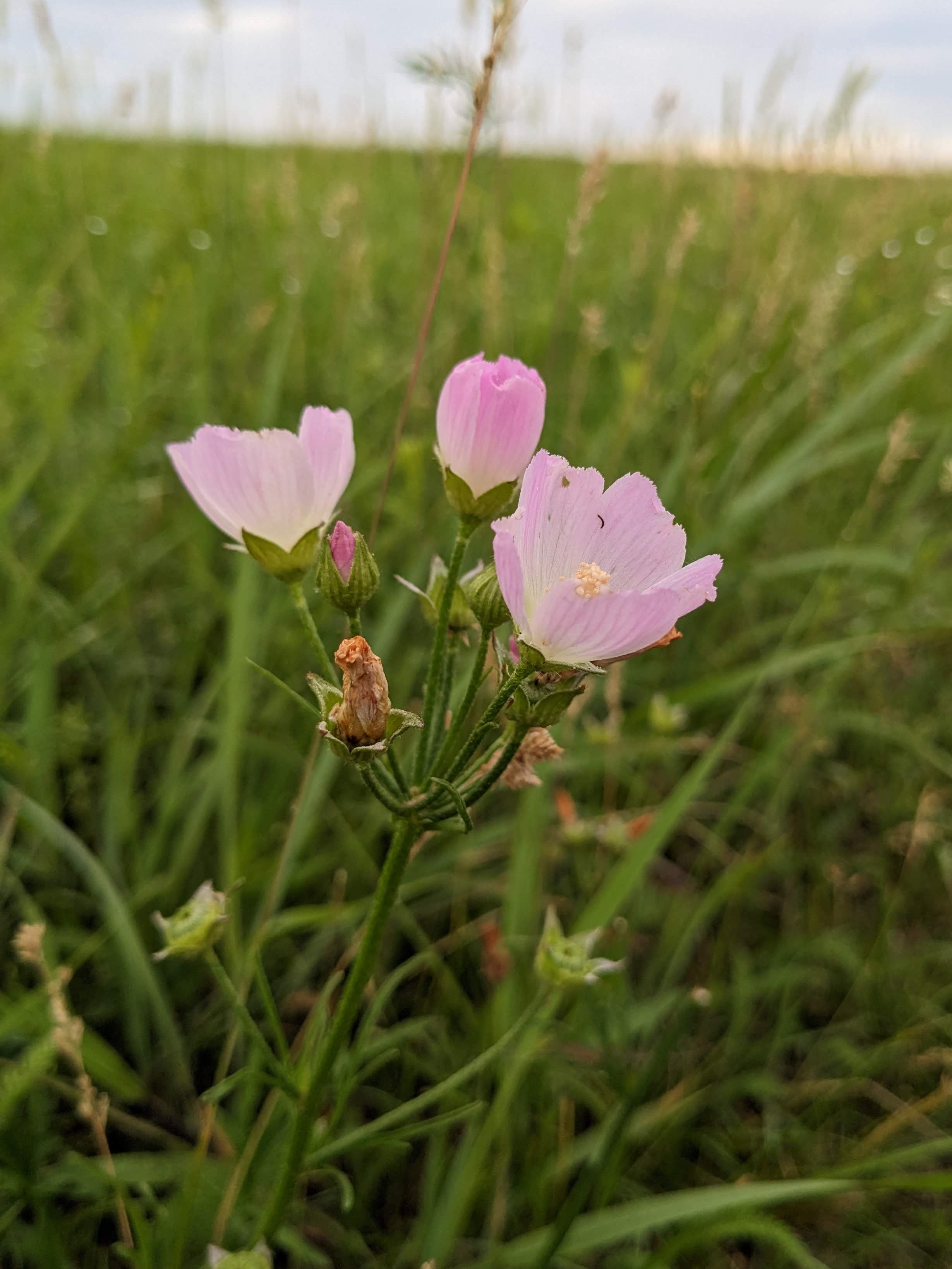
After we got the Henslow’s Sparrow the trail soon moved into a lovely wooded area again, but before we move along with it here are a few flower pics from the prairie. There were a good number of different flowering species right along the trail. I’m sure they’re common prairie species and nothing too rare but I still enjoyed them. Identifications (courtesy of iNat so you know what to blame for misIDs) are in the image captions.

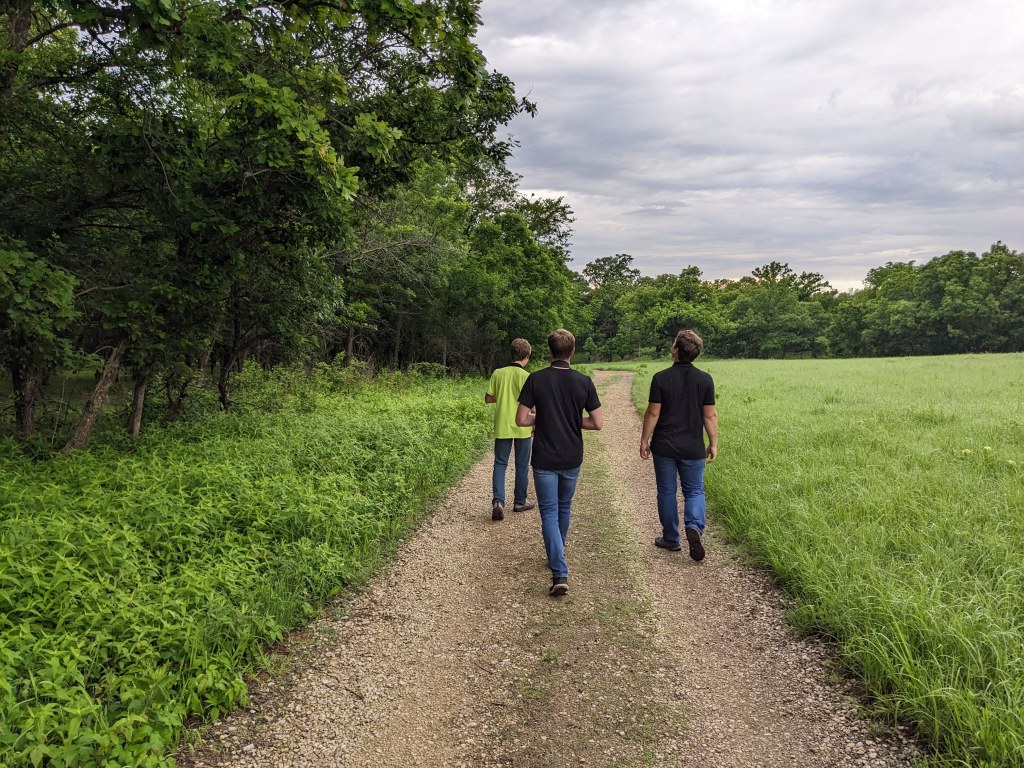
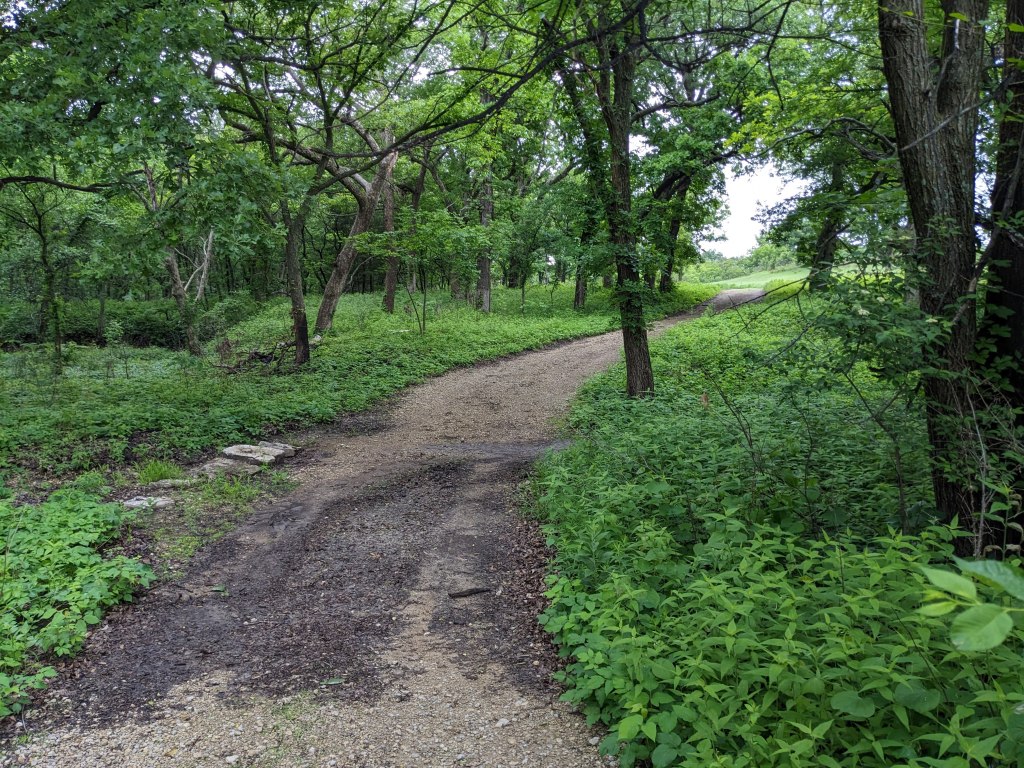
And now, back to the woodlands we were just entering. The trail wound through the woods and then along the side of the woods and meadows. It looked like a perfect area for warblers and other migrating species, but as it was the second of June the birds mainly consisted of resident species. There were decent numbers of common woodland species Tufted Titmice, Red-bellied, Downy, and Hairy Woodpeckers, a White-breasted Nuthatch, Summer Tanagers, Indigo Buntings, Eastern Wood-Pewees and 2 singing Northern Parulas. As we were nearing the end of the trail a flycatcher flew across the trail so Franklin went to check it out. It ended up just being another wood-pewee but then Franklin called out that he had a male Magnolia Warbler. Unfortunately it disappeared and the rest of us only got brief views of it in flight, but that was a solid add for this late in migration. Here are a few photos of the woodland because we didn’t get any pics of the warbler.

Having finished the loop at Konza Prairie with 46 species we started heading toward KC with our first main planned stop being Baker Wetlands. One of the joys of birding (for me at least) is lists and numbers and part of that is county listing. Basically you try to get as many species as possible for each county. Kansas has 105 counties (more than the average state) so there’s plenty of opportunity, but a lot of hard work if you’re a serious county lister. I’m not super serious about county listing but enjoy dabbling with it. To put it into perspective my total county ticks was around 2500 at the start of the trip, whereas Henry Armknect who has the most for Kansas is at somewhere north of 19,000! Anyway, along our way to Baker wetlands we did some quick stops just off the highway in Wabaunsee and Shawnee county to boost our very slim lists for those counties. A few highlights from a quick stop by a creek in Wabaunsee were 2 Red-shouldered Hawks, a Ruby-throated Hummingbird, and a singing Louisiana Waterthrush. Our stop in Shawnee county was at a road that dead ended at private property just off the highway. As soon as we pulled up Michael said “this looks like Painted Bunting habitat”. About a minute later a Painted Bunting flew across the road and landed in a tree. Needless to say, Michael brought that up a few times throughout the remainder of the trip 🙂

the Painted Bunting gave decent views, but not good photo opps.
© Franklin Miller

Baker Wetlands has nice habitat for wetland species with a few good targets there being Common Gallinule, Little Blue Heron, and Least Bittern. Unfortunately we got there about 10 AM when it was nearing 90 degrees (32 C) and you can only walk on the paved roads through the wetlands. We drove around the edge and picked up a handful of species like American Wigeon, Blue-winged Teal, Green Heron, and Bell’s Vireo but decided it was too hot to walk the trails and try for better wetland species.

A Limpkin had been seen fairly regularly at Gardner lake. It would be a year bird for all of us and a state bird for Anthony as he was gone last year when Kansas’s first five or so records of Limpkin showed up. We figured that was a decent bet for the heat of the day. We got there around 11:30 and drove the very residential streets around this little cove where the Limpkin had been seen but no luck.
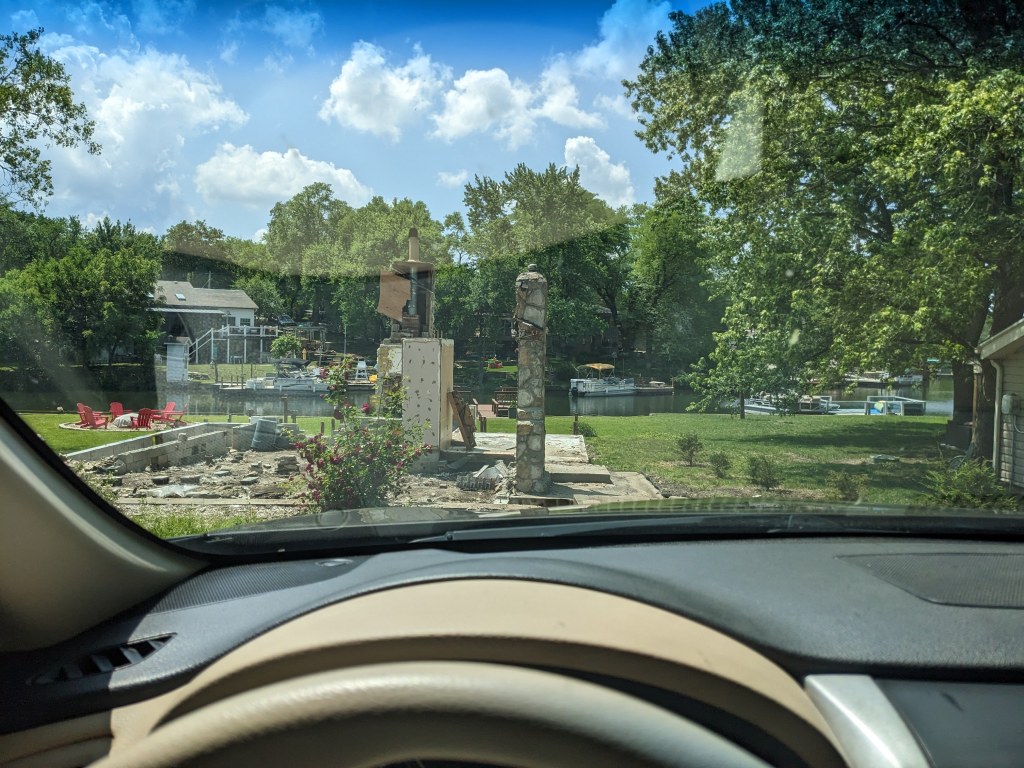
not used to birding in residential areas like this 🙂 the Limpkin has usually been right in this little cove, but no sign of him today.

From Gardner we headed to Clinton Lake. Things were fairly quiet in the heat of the day, but we birded several spots around the edge of the lake and added a number of new species for the day like Double-crested Cormorant, Spotted Sandpiper, Fish Crow, Least Flycatcher and Prothonotary Warbler. An immature Black-crowned Night-Heron tripped the eBird filters and was a solid add for the list, but the highlight for me was getting an Acadian Flycatcher. They’re relatively common in Eastern Kansas but it was a lifer for me and the first of my three possible lifer flycatchers for the trip.

immature Black-crowned Night-Heron disappearing around the trees
© Franklin Miller

After Clinton we headed back to Gardner as it was roughly en route to our next stops in KC. Again we meandered the residential streets checking the edge of the lake for the limpkin but still no luck. I tried to contact the homeowner who other birders had contacted. He had very generously been hosting people and even taking them out on his boat to get better looks at the Limpkin. Unfortunately he didn’t see my message until the next day, but I’m still very appreciative of how generous he was with his time to many birders who got to see the bird! From Gardner we headed to Killcreek Park. By then it was 3 pm, hot, and we were tired. By now the others all slept anytime we drove more than 10 minutes between locations. Killcreek was pretty dead. We had one unidentified warbler that sang snatches of it’s song twice, but managed to disappear before any of us got on it. Summer Tanagers were pleasantly common throughout the day including at Killcreek.
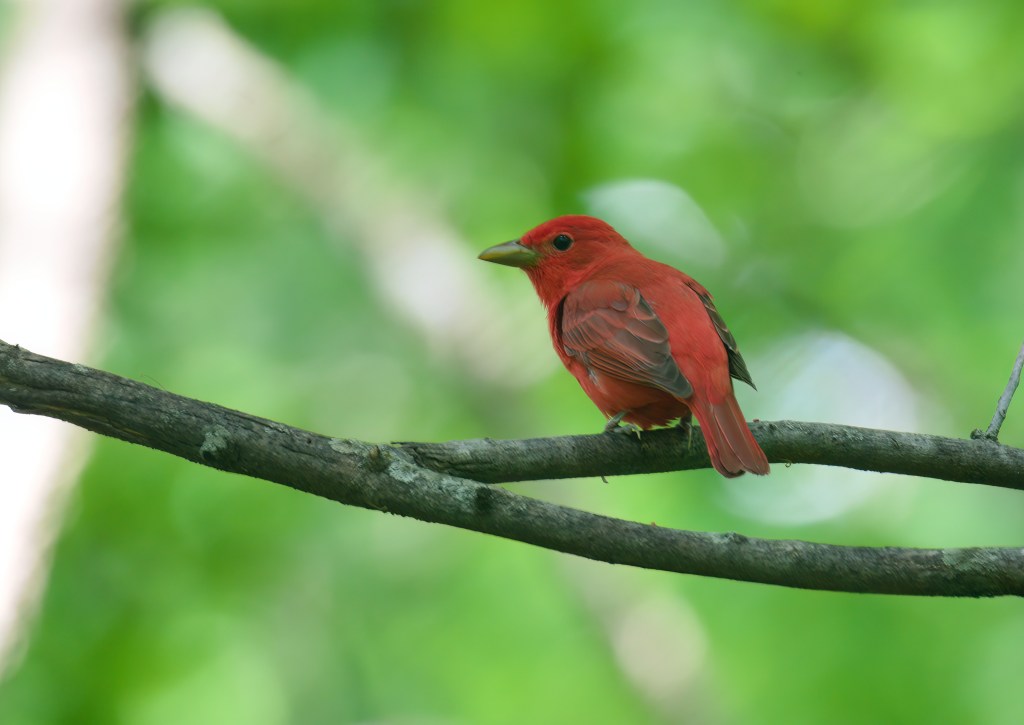
Summer Tanager

As we left Killcreek Park Franklin saw a report of a Black-billed Cuckoo a few miles away. We went to where it had been reported and spent about an hour walking a half mile of trail on both sides of the intersection it was reported near but unfortunately we couldn’t find it. We did add a few new day birds though including Yellow-throated Vireo and Willow Flycatcher.
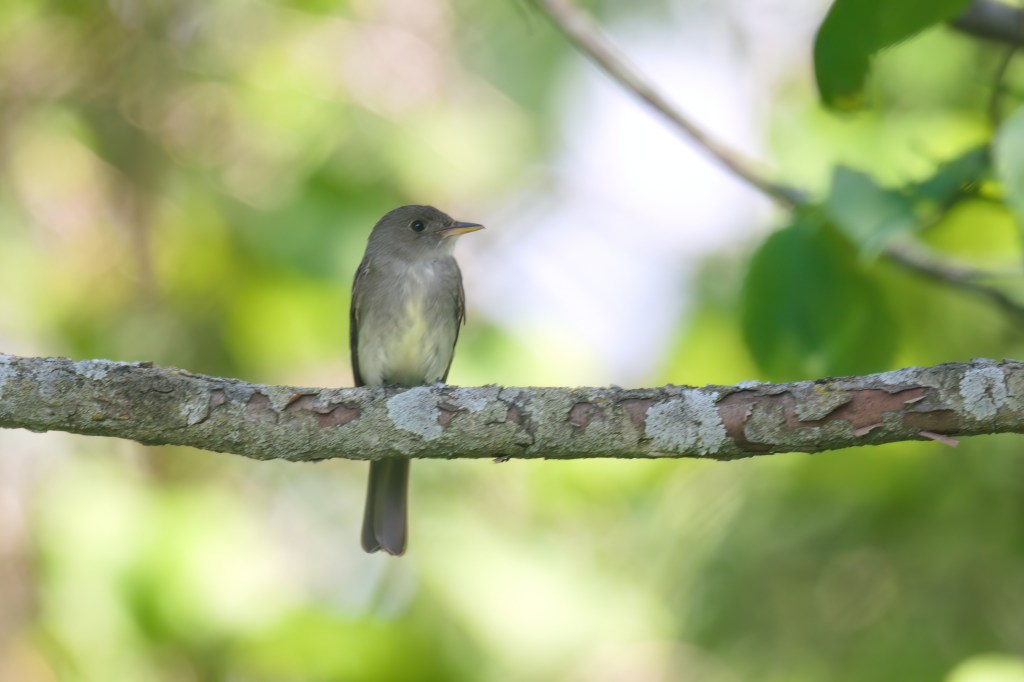
Eastern Wood-Pewee

From there we moved on to Mill Creek Streamway. Franklin and I had good success there last spring with Andrew. Early June is a different story though. The woods were pretty quiet and we were considering giving up. At 5 pm it had been 12 hours since we started birding and 14 hours since we had left our house. The heat and humidity were taking their toll, but as we sat and rested beside the trail for a bit we suddenly heard and then saw a Yellow-bellied Flycatcher! A somewhat late migrant although not too unexpected and I was now 2 for 3 on my targeted flycatchers for the trip with only Alder left. This gave us new energy and we continued the 3.5 mile loop but without any birds of real further interest besides another Acadian Flycatcher.
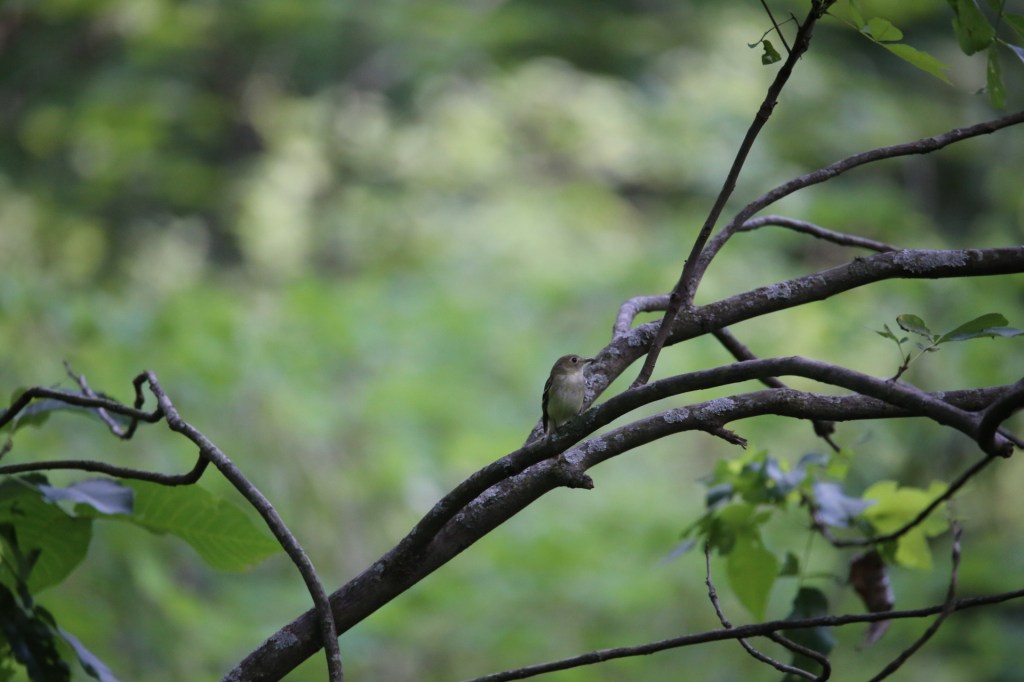
Yellow-bellied Flycatcher
© Franklin Miller

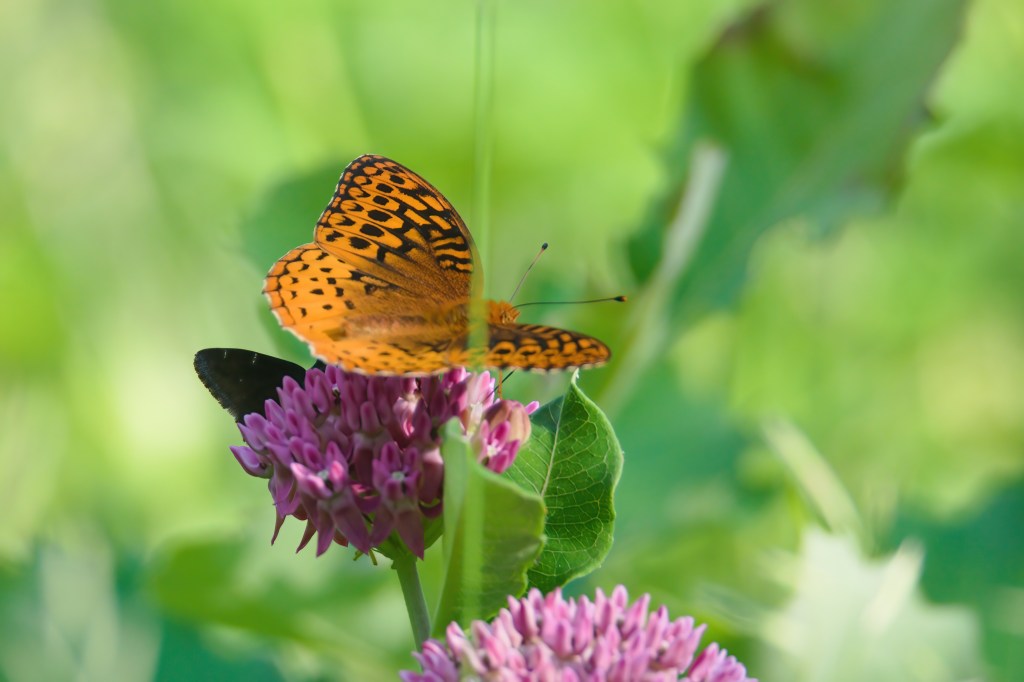
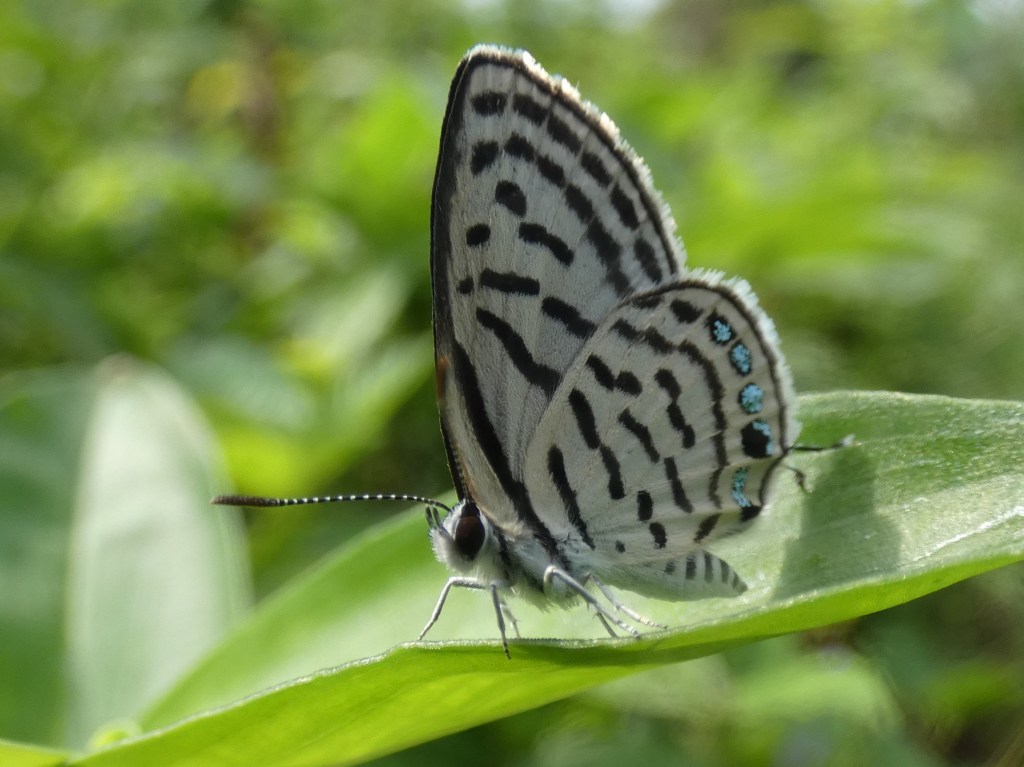
A few other highlights though at this park were a number of butterflies and a lovely painted rock on a stump. Also, a biker was passing us on our left and his friendly greeting was interrupted with a sudden four letter exclamation! The four of us were quite confused until we saw the Copperhead lying in the road which he had just swerved around! I tried to get some nice eye-level shots (from a safe distance with my zoom lens) but unfortunately the snake was scared into the underbrush as a few more bikers zipped past so I had to be satisfied with a blurry cellphone pic.

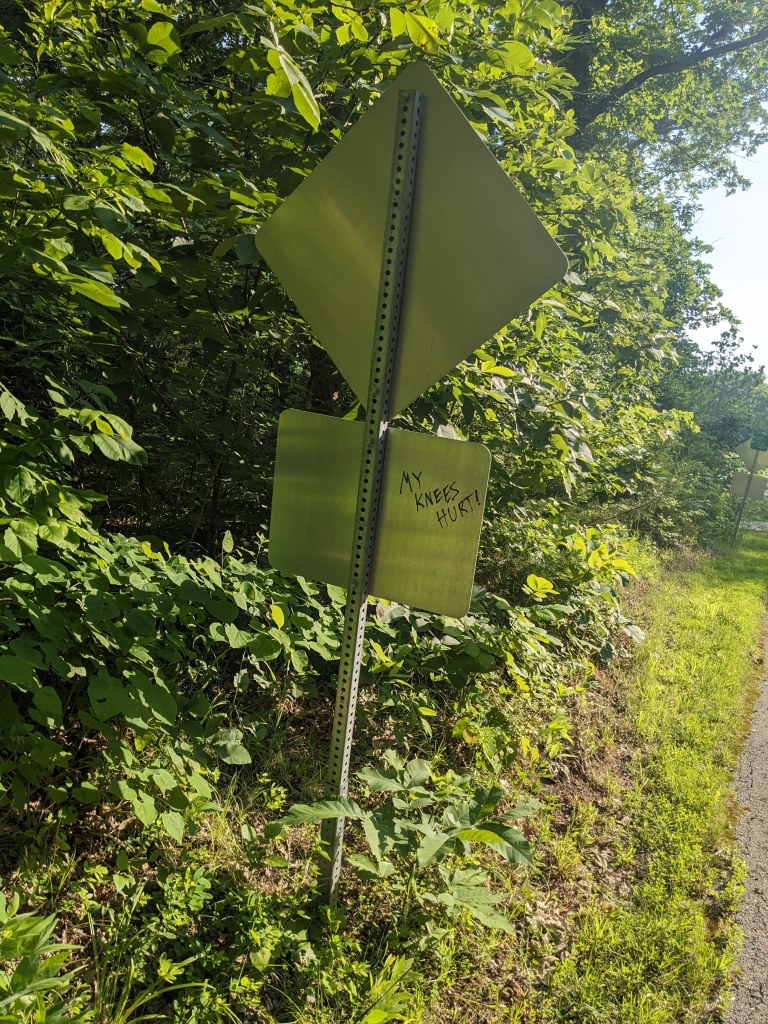
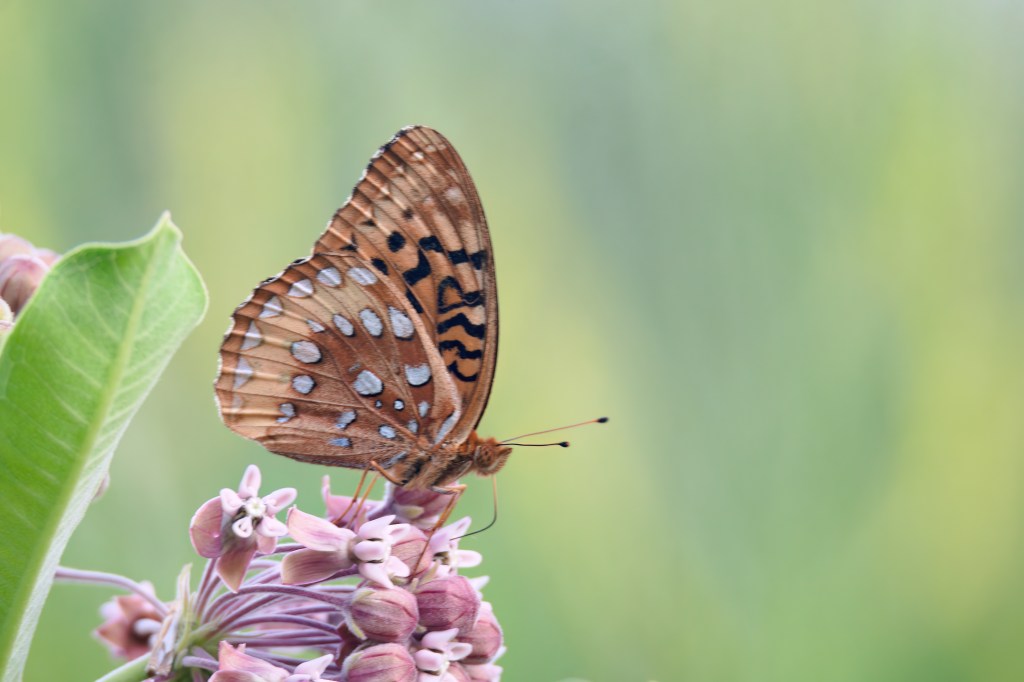
Great Spangled Fritillary (Argynnis cybele)

By the time we reached the end of the trail it was 6:45 so we decided to do a quick stop at Walmart to grab some food (tortillas and 2 rotisserie chickens to go with ranch, lettuce and shredded cheese we had along. This is a quick cost effective meal) and then headed on to Marais des Cygnes about 50 minutes away. Marais des Cygnes is a nice bottomland hardwood forest obviously with swampy areas. We got there late enough that we couldn’t do much birding but we added a few trip birds like Pileated Woodpecker and Wood Thrush along with another Louisiana Waterthrush, several Summer Tanagers and another Least Flycatcher. We ended the day with a lovely sunset over Unit G of the wildlife area.

We now headed back to several camping sites Anthony knew about. Along the way we stopped several times to examine snakes in the road. They were all water snakes with one Diamondback Watersnake and the other 3 or 4 all being Plain-bellied Waternsakes.

Unfortunately all the camp sites were taken so we just stopped at a gravel pull off and camped out there for the night. About 10 minutes after lying down Franklin and I decided the mosquitoes were a bit too much to handle (there were a lot and you had to completely cover yourself in your sleeping bag to avoid them which got quite hot) so we staked out the car for the night (which was also blitzing hot for awhile despite running the AC a time or two). Anthony and Michael were left alone to brave the mosquitoes and thankfully were still alive in the morning although none of us were very rested.

where we spent the night

A Yellow-throated Warbler started singing in the trees right near the car which helped boost spirits. Franklin and I had one or two on our Saturday run out to eastern Kansas last spring but this was a state bird for both Anthony and Michael I believe. We headed back toward Unit G from where we had camped as that’s usually one of the better areas at Marais des Cygnes.
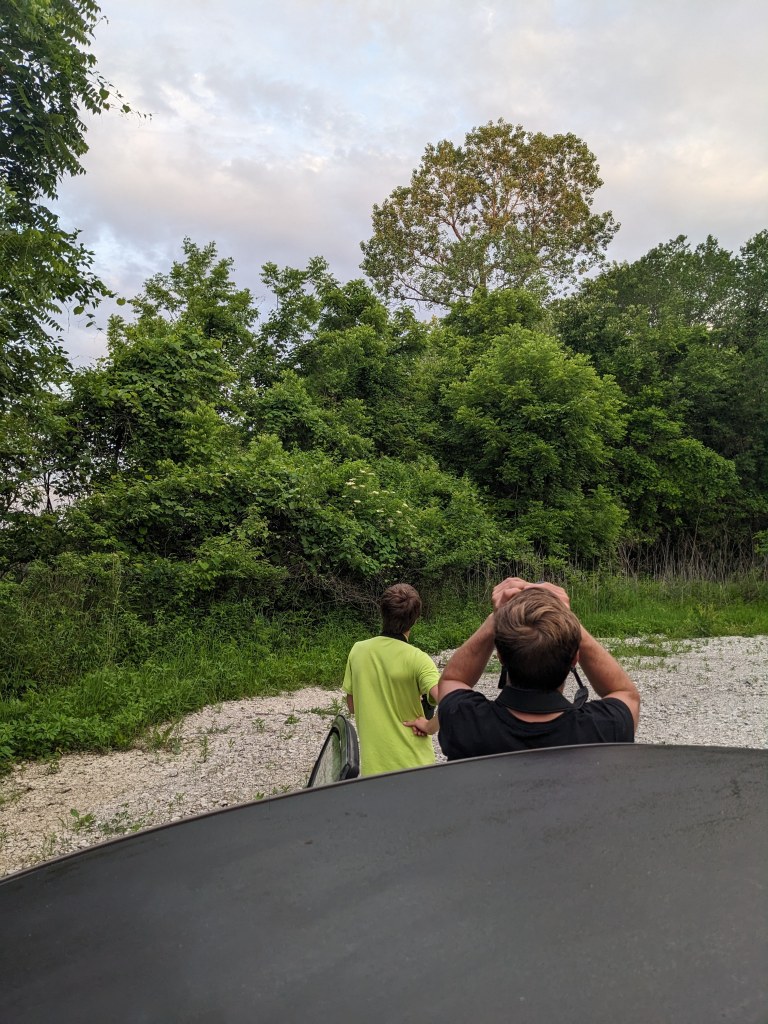
We made a slow loop around Unit G. Our two big adds were Yellow-crowned Night-Heron and White-eyed Vireo. A few other trip birds include Yellow-breasted Chat, several Wood Ducks, and a Barred Owl (Anthony heard one at Konza Prairie but none of the rest of us had). The night-heron was in the exact pond Logan Kahle had Kansas’s first record of Limpkin last summer, but no limpkin luck for us here either.
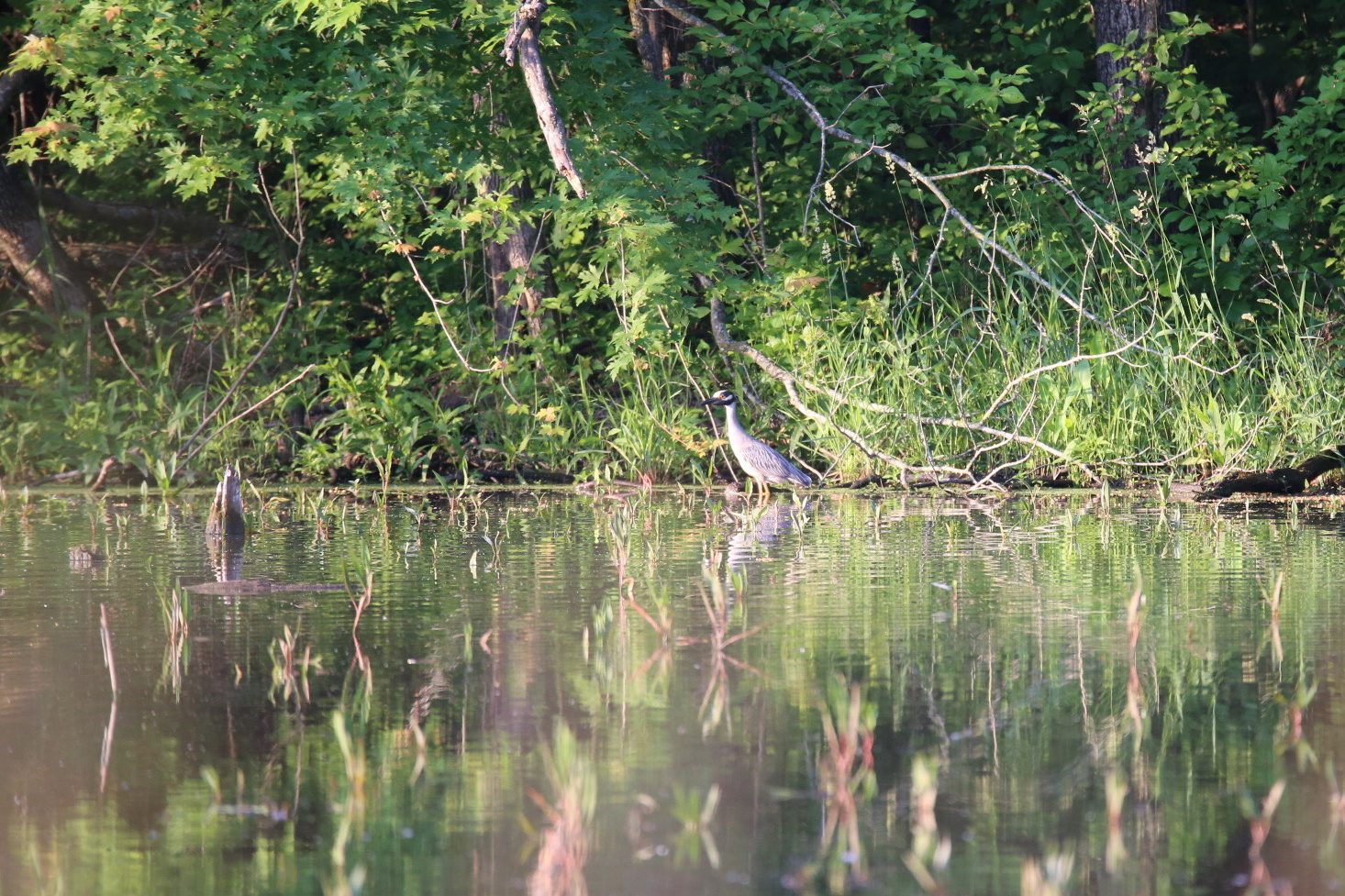
Yellow-crowned Night-Heron
© Franklin Miller

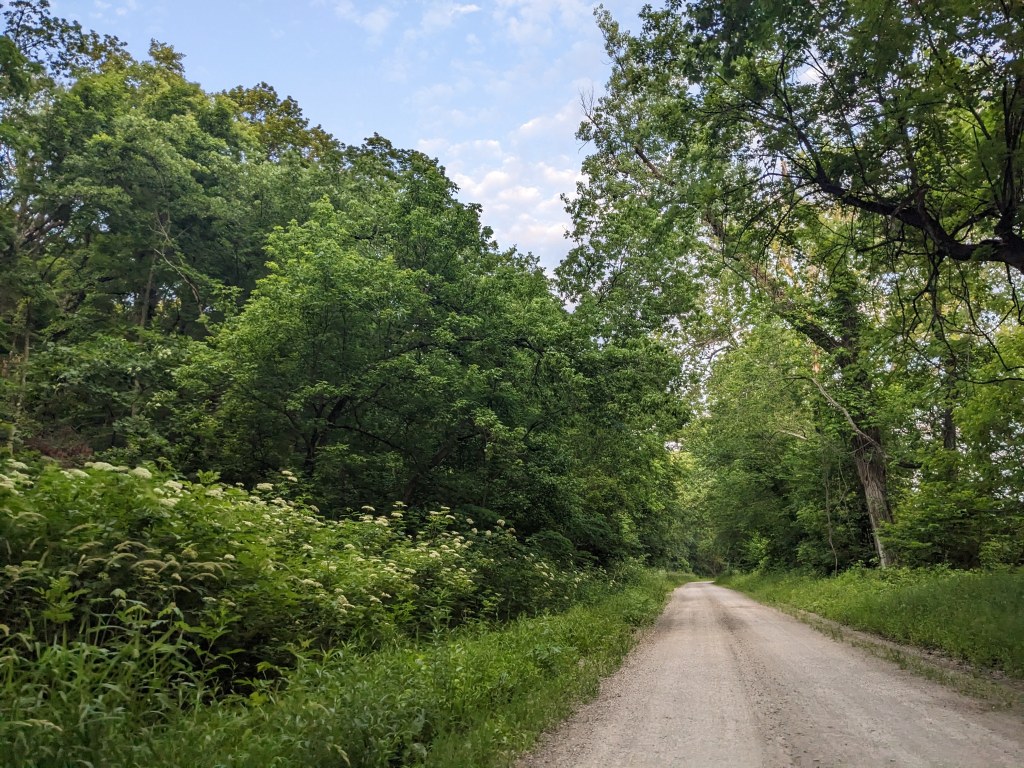
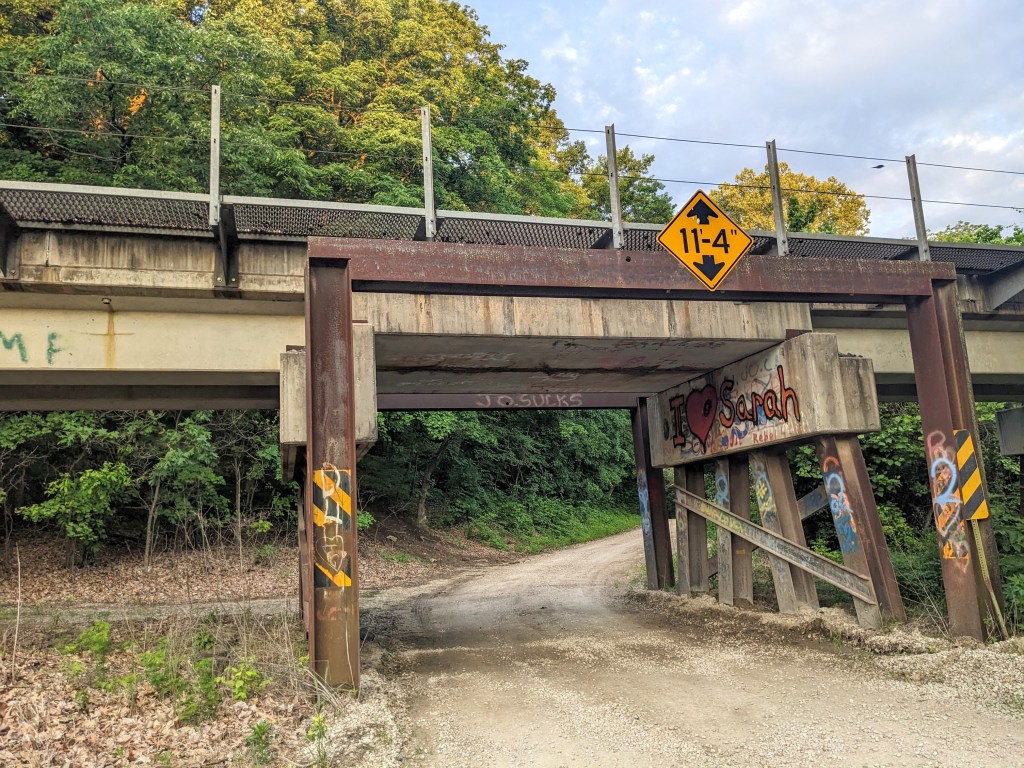
Marais des Cygnes was one of my favorite stops just for the natural beauty and some local character on the little railroad bridge 🙂

Great Spangled Fritillary from Marais des Cygnes

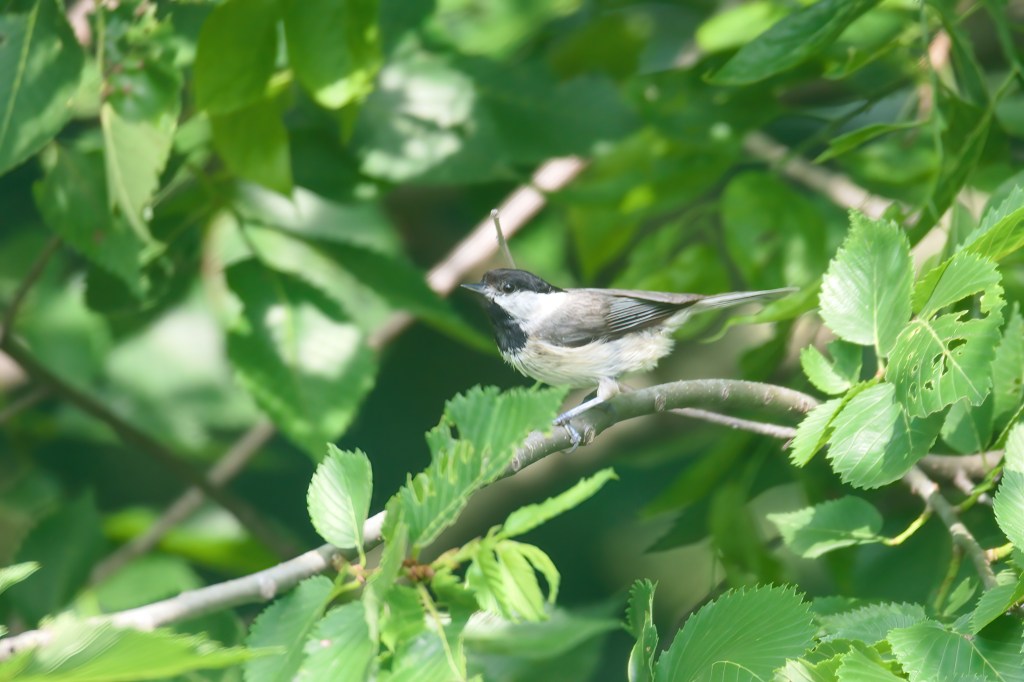
Our next big stop was at Neosho WA area but again we did some county listing along the way in Bourbon and Crawford counties. A stop at a little creek in Bourbon county netted about 18 species including common woodland species like Blue-gray Gnatcatcher, Great Crested Flycatcher, Carolina Wren, and Northern Parula. A quick flyover cuckoo a little farther along made us stop as we wondered about Black-billed. But we were unable to refind it. We did add a few more species for our county lists like Red-eyed Vireo, Loggerhead Shrike, Black-capped Chickadee, and Northern Mockingbird. We ended up with 32 species in Bourbon and 25 in Crawford.
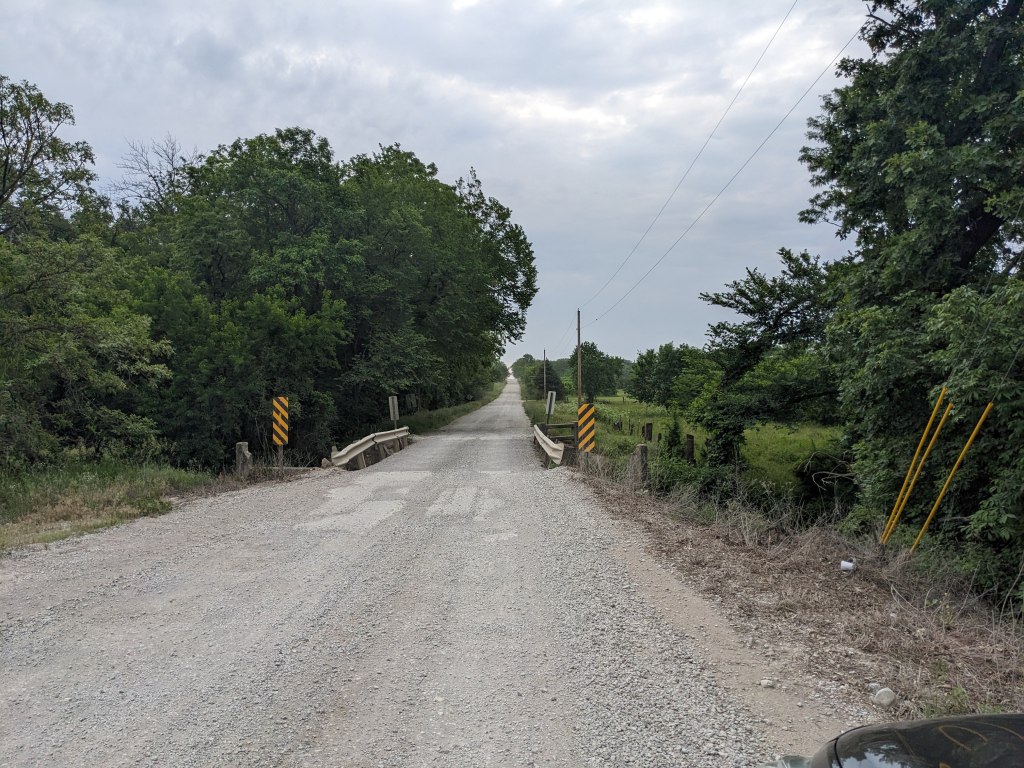
our first stop in Bourbon county. The creek was actually kinda nasty as it seemed to be a favorite dumping including cushions and then a full on couch. So I’ll just let you see this rural countryside 🙂

We pulled into Neosho around 9:20 and drove the loop around the wildlife area. We added Carolina Chickadees and Wild Turkeys to our trip list along with many other repeat woodland species before reaching the swampy area.
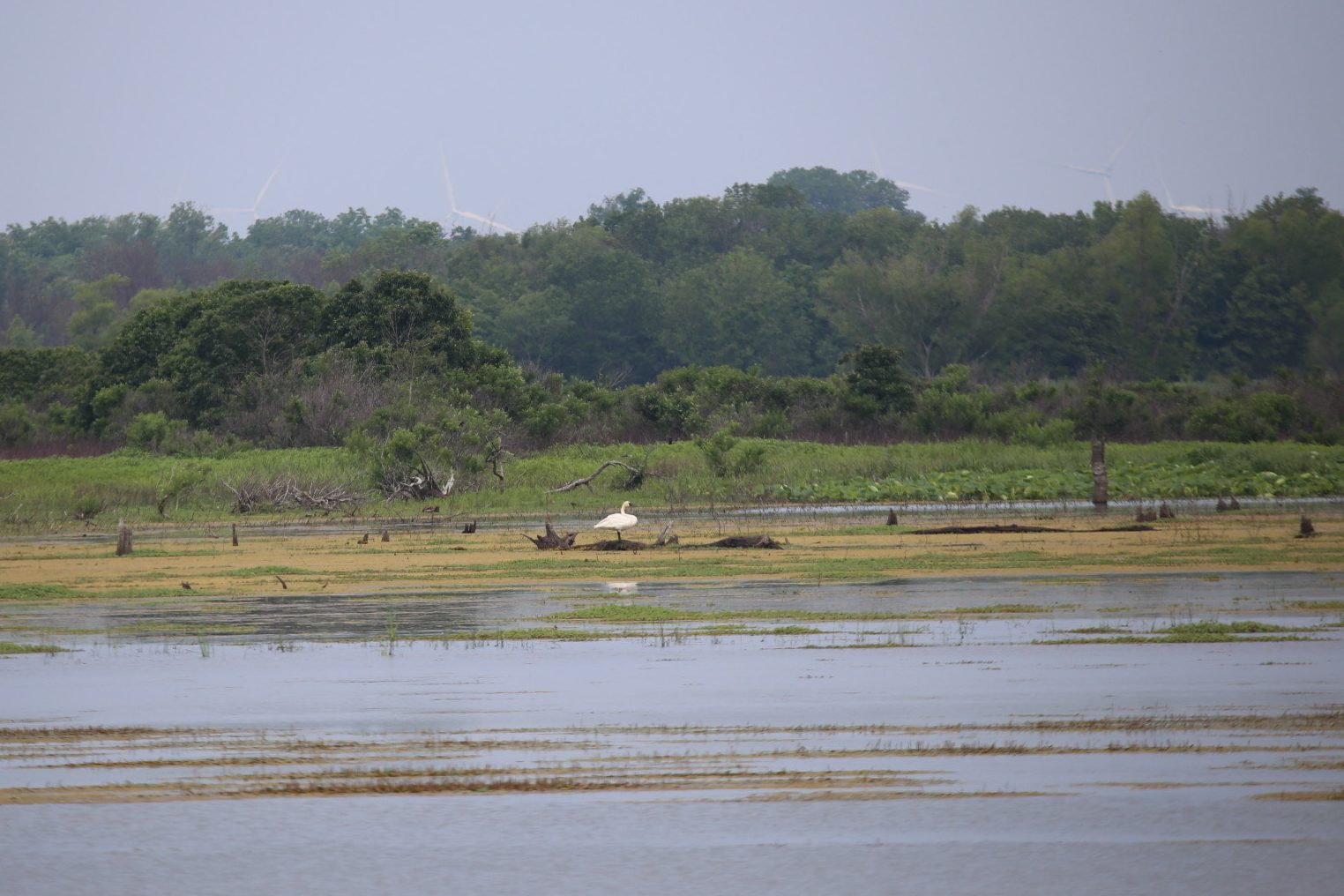
This swampy area seemed dead at first but once we started scanning the birds started appearing. First it was just American Coots, Wood Ducks, and Great Blue Herons but then Anthony suddenly called out a Common Gallinule! We ended up with three different individuals and had great scope views although not great photos as they were 150+ yards out. Then someone picked out the long staying Trumpeter Swan way out across the marsh. This swan has been here for several years now which is odd because Trumpeter Swans are usually only in Kansas during the winter.

Common Gallinules in their habitat
© Franklin Miller
the long staying Trumpeter Swan over a quarter mile out.
© Franklin Miller

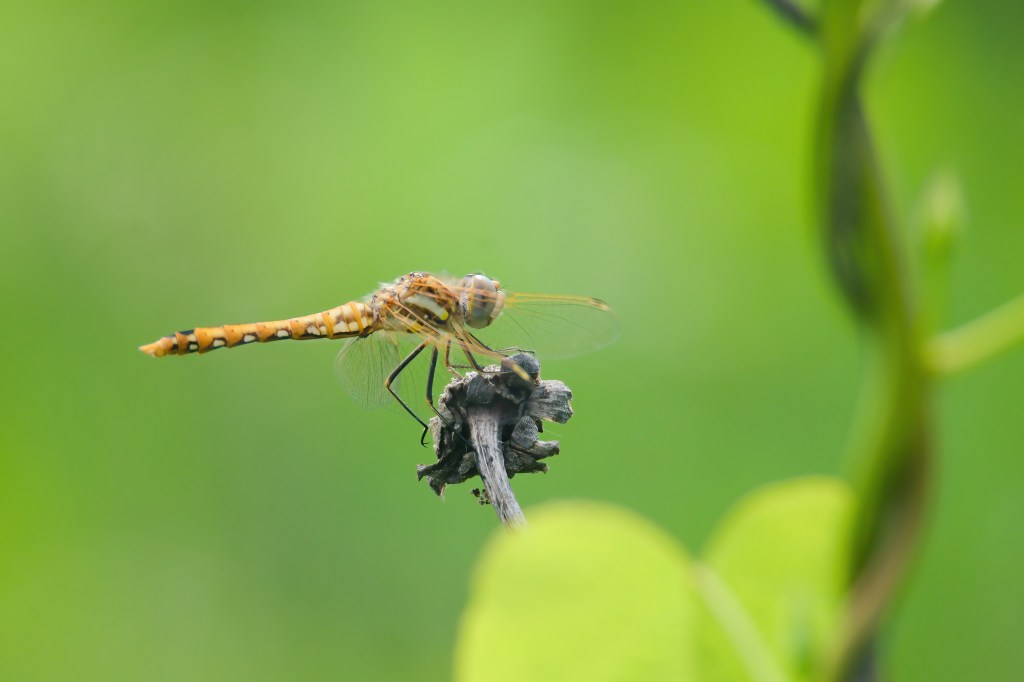
We continued the loop without finding many other birds of interest. Still we had gotten two of our targets for Neosho and had nearly 50 species in a bit over an hour. Definitely a successful stop I also enjoyed the butterflies and dragonflies along the drive at Neosho.
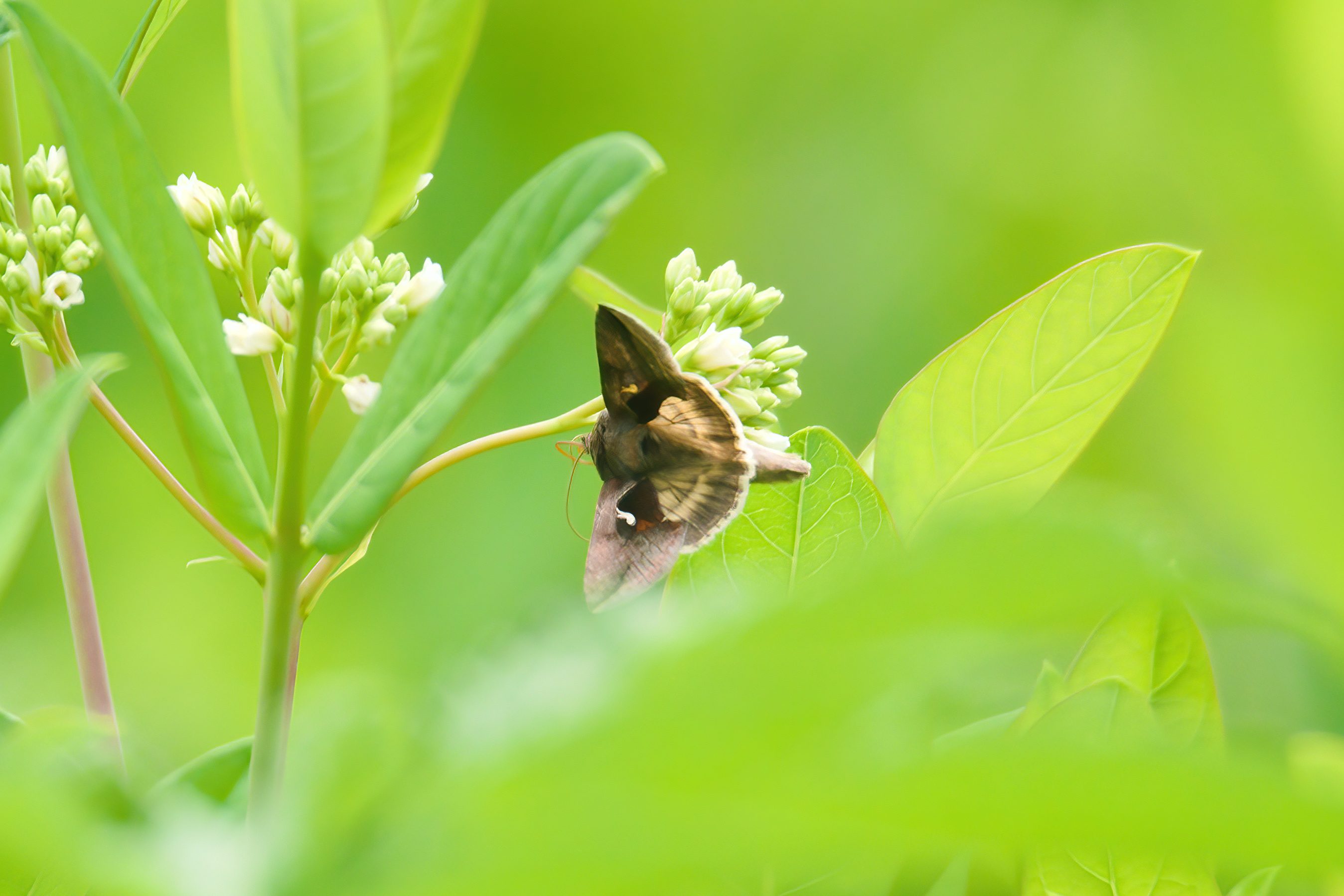
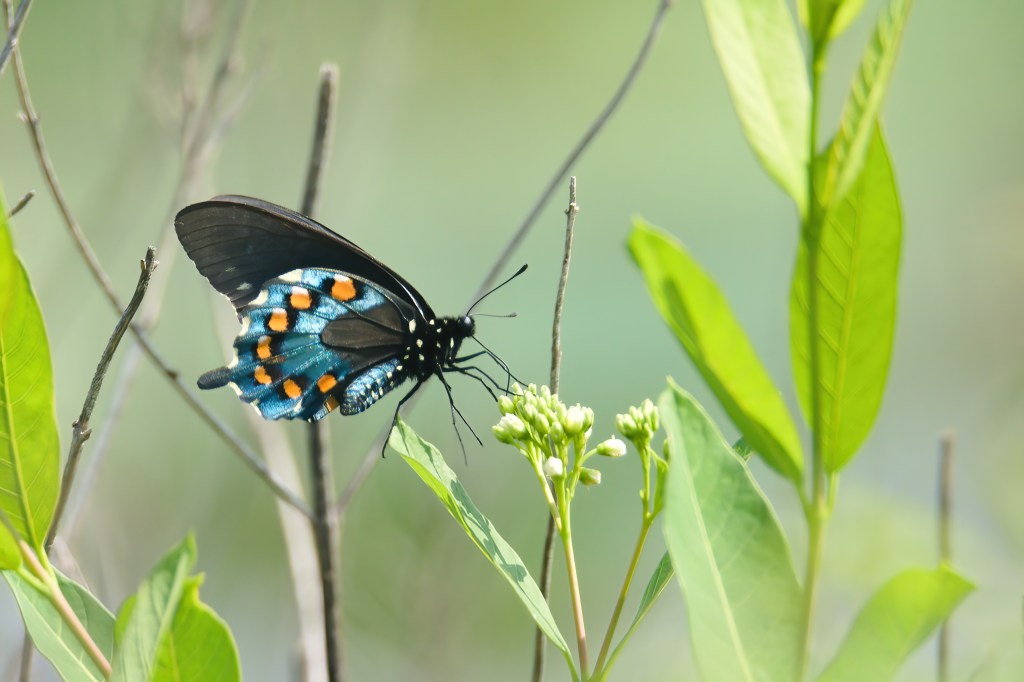
From Neosho we decided to start slowly looping back toward home adding a number of counties and hopefully picking up Black Vulture yet. Black Vultures are basically only found in the very southeastern tier of counties in Kansas and Franklin was the only one of us who had them for the state. We decided to hit a few spots like Elk City SP and Sedan in hopes of picking them up but opted against going farther east to Cherokee county where they are more common. The only other real target that remained for me was Alder Flycatcher, but it seemed unlikely at this point given our schedule and the habitat remaining.

We had a few stops in Wilson county including Neodesha WTP (WTP stands for Water Treatment Plant aka the town sewage ponds. Yeah, where birders go to find birds probably seems strange to some folks, but I don’t mind.) We totaled about 30 species for the county, but nothing of real interest. I always enjoy abandoned buildings for some reason and we saw a few cool ones, but I didn’t get any great pics.
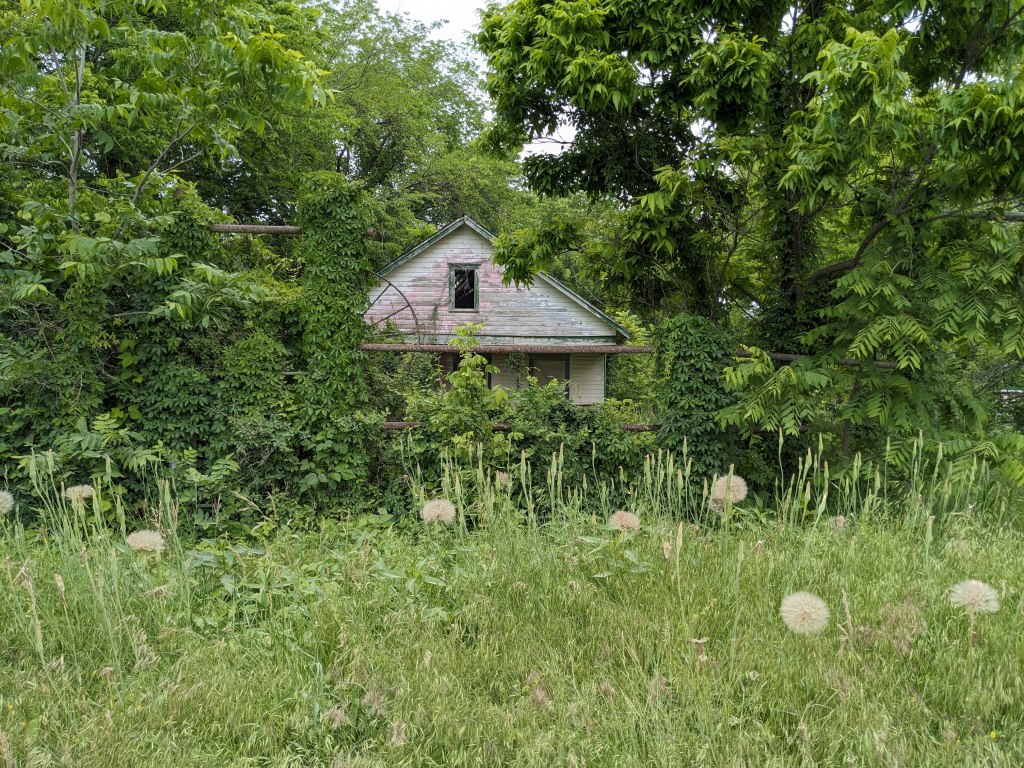
We then headed on to Elk City State Park in Montgomery County. Scissor-tailed Flycatchers and Loggerhead Shrikes were pleasantly common throughout these southern counties. At Elk City SP we scanned the 100+ Turkey Vultures circling all around the lake, but were unable to pick out any Black Vultures. Cedar Waxwings flying over were a nice add. We had several Lark Sparrows and more Warbling and Red-eyed Vireos, but again nothing too crazy. What did look crazy was the radar though. We were now headed toward Sedan in Chautauqua county but it looked like a pretty solid rainstorm was going to hit us a bit before we got there.
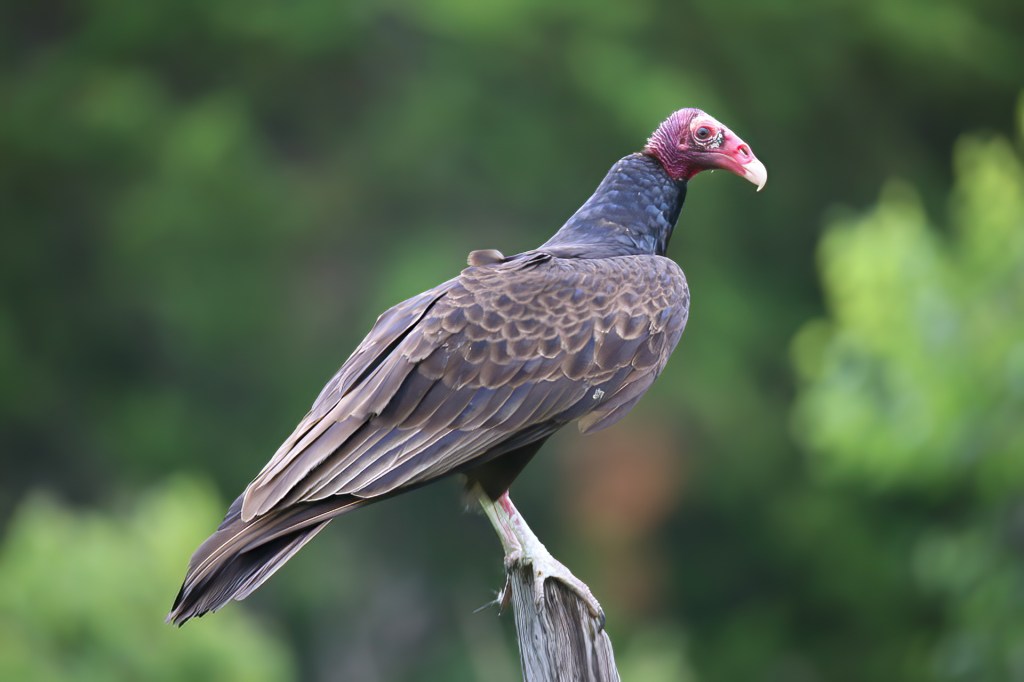
yep, definitely just a Turkey Vulture
© Franklin Miller
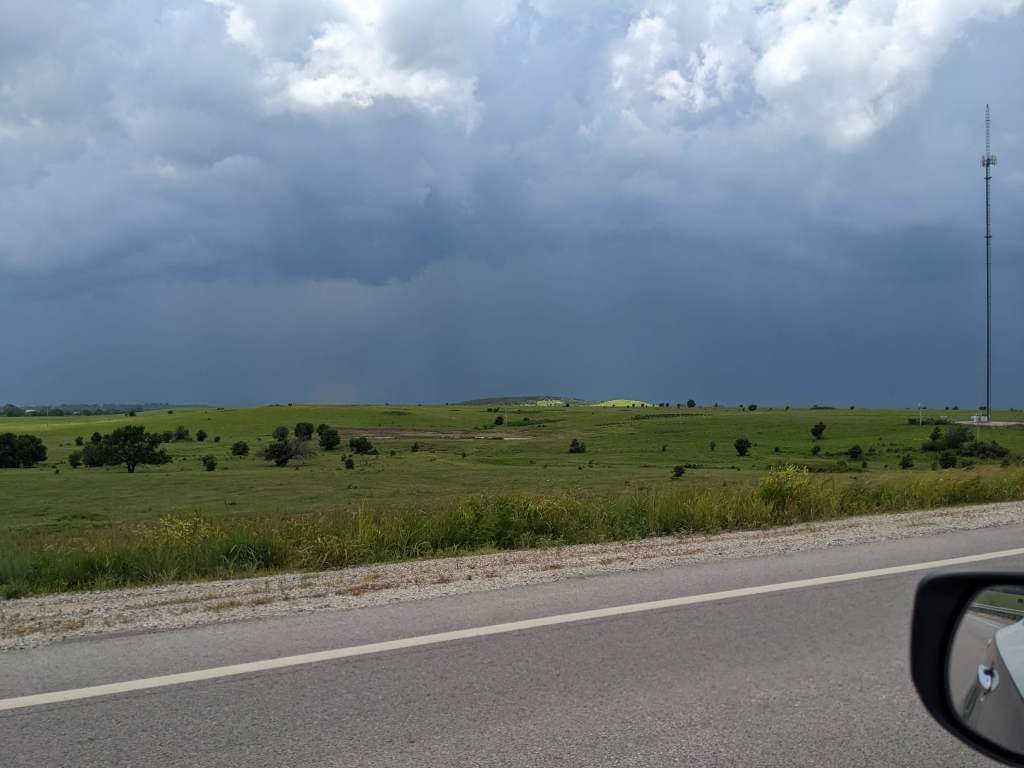
a storm brewing off over the flint hills

Sure enough a wall of rain hit us a few miles out from Sedan so we stopped at a Subway to grab some lunch and bide out the worst of the rain. While it was better than being out in the rain, let’s just say don’t bother going to Subway if you’re in Sedan. I’ve never had worse service at at a Subway. Enough said about that, the rain began slowing and we headed out again. Anthony recommended a stop at Sedan City Lake South which was right along our route. The lake itself had a Great Blue Heron and Great Egret, but the trees around it provided solid birding. We had an empid that proved to be the Alder Flycatcher I still needed! 3 for 3 on lifer flycatchers and 5 for 5 on all lifer targets for the trip! Numbers of birds wasn’t high but diversity was solid as we totaled 25 species including another Painted Bunting, Eastern Wood-Pewee, Carolina Chickadee, Summer Tanager, Indigo Bunting and more.
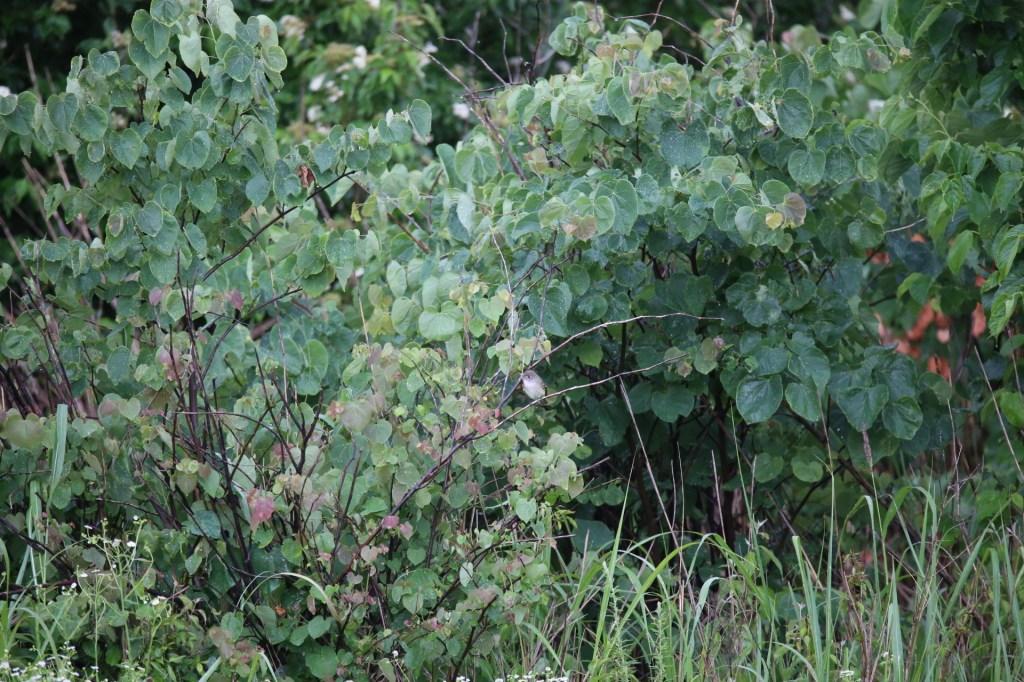
that’s the Alder Flycatcher, trust me.
© Franklin Miller
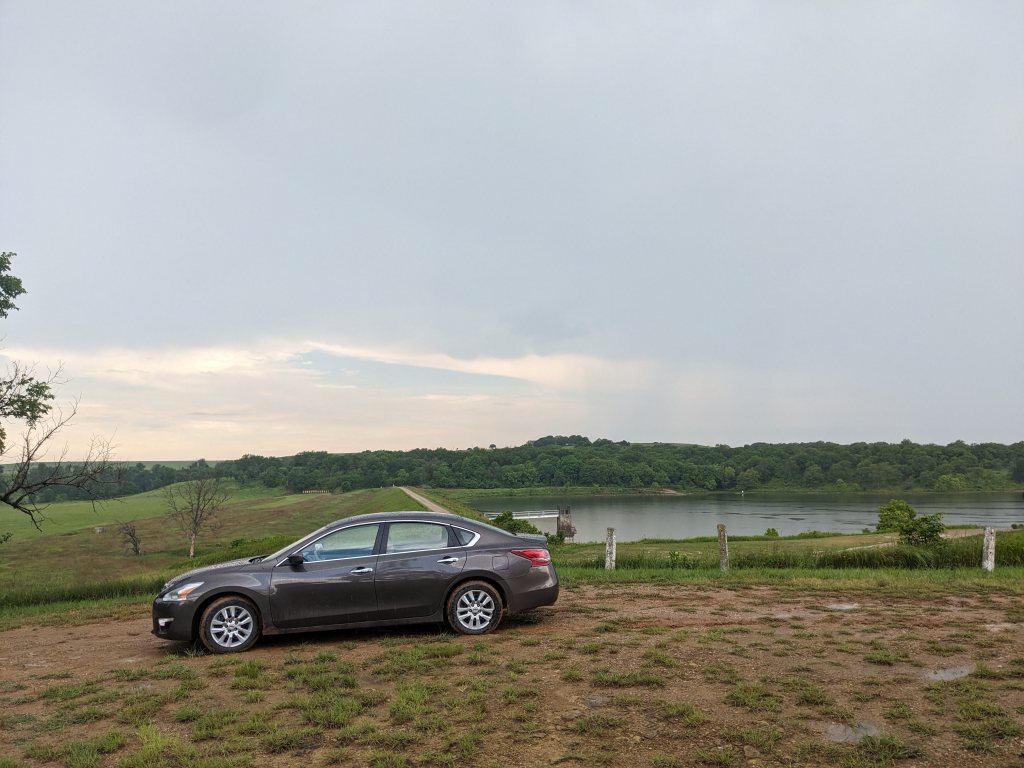
a view over the lake with my trusty Altima in the foreground. She’s driven many miles on Kansas birding trips 🙂

Almost as soon as we were back on the highway I slammed on the brakes then flipped around at the nearest possible spot. I had seen what I thought was an Upland Sandpiper and wanted to confirm. Sure enough, another county bird. It flew as soon as we stopped, but then came and landed on the fence not 20 feet from us!

Upland Sandpiper

We continued on our way after passing cars spooked the sandpiper. A few miles on down the road I slammed on the brakes again because I had seen what I was sure was a White-winged Dove on the powerline! I knew they would be uncommon this far east and when I checked I saw this was actually the first record for Chautauqua county! We also had Grasshopper Sparrow, Blue Grosbeak, Orchard Oriole, and Great-tailed Grackle at that pull off. Overall we totaled 42 species for Chautauqua with a somewhat bizarre combination of birds and between the lake and the highway. The birds combined with the lovely flint hills scenery made this one of my favorite counties for the day.
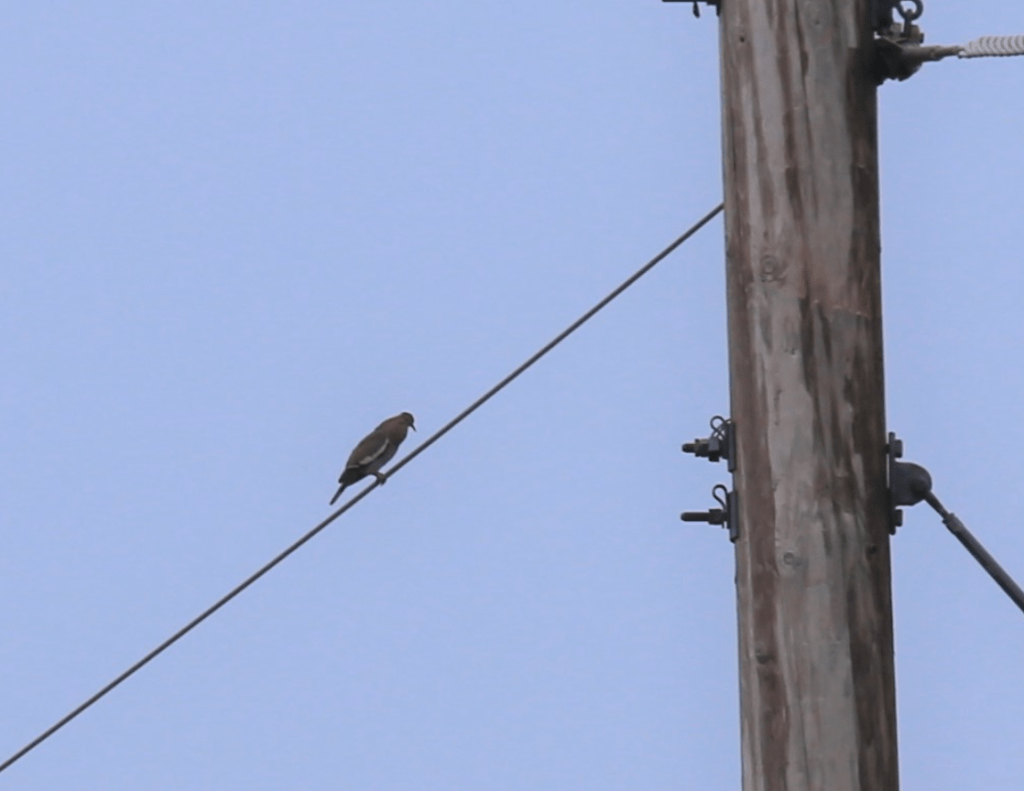
not a great photo, but it’s documentation of a first county record, so who cares? White-winged Dove.
© Franklin Miller
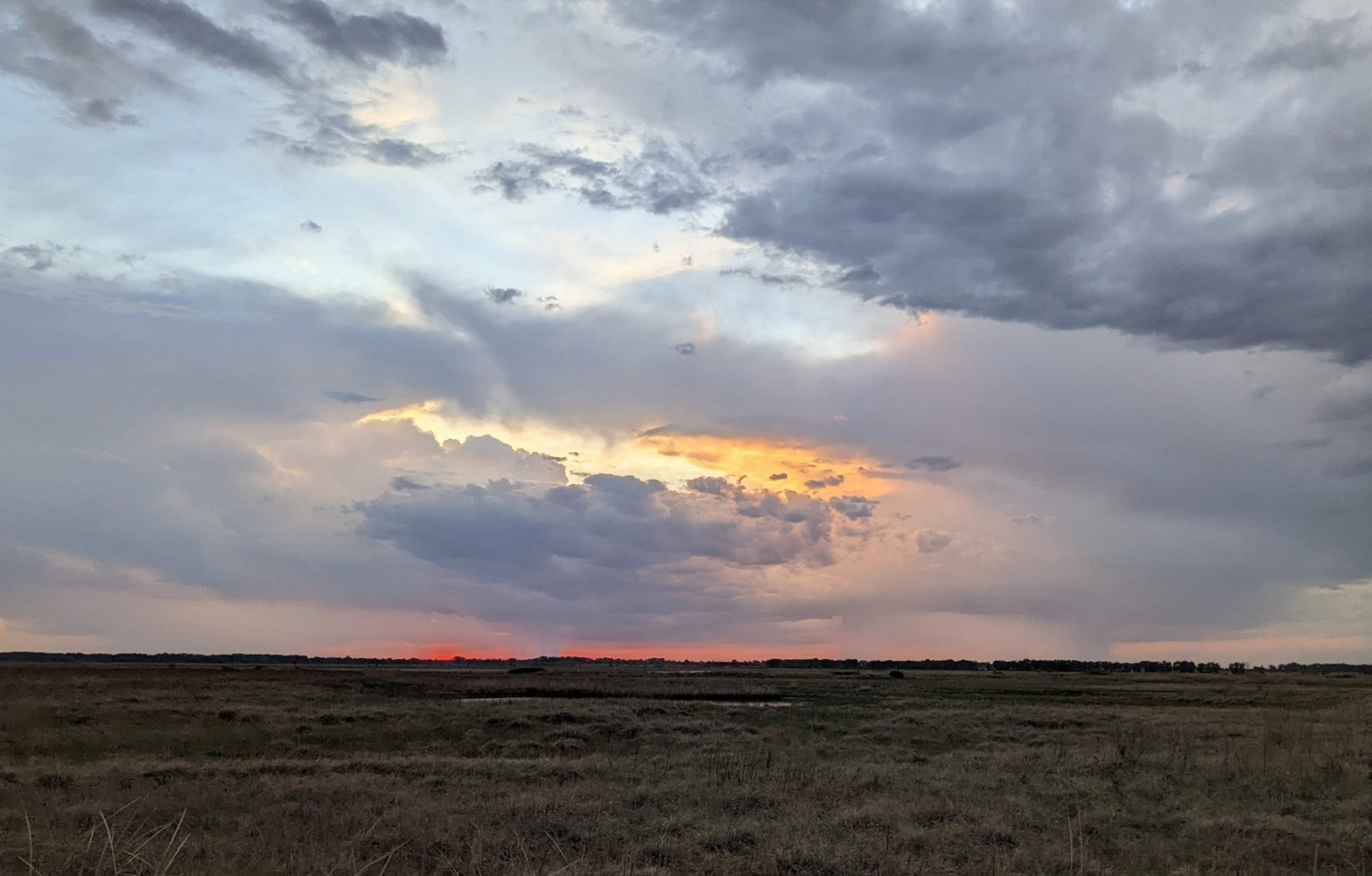
not a good picture to represent the flint hills but they are gorgeous, especially right after a rain.

By now it was almost 3 pm and we planned to basically drive straight through Cowley and Sedgwick counties (clipping through the corner of Sumner along the way) as we headed to Cheney Reservoir to pick up some shorebirds for our trip list and hopefully the Ruddy Turnstones that had been reported off and on throughout the spring. Cheney is within 30 minutes of our area so that would be our last stop of the day. We picked up 32 species in Cowley without anything new for the trip. Then added 7 county ticks in Sumner in the 15 minutes we were in the county before driving straight through Sedgwick to Cheney.

We had Wilson’s Phalarope, Semipalmated, White-rumped, and Spotted Sandpipers at the east shore area at Cheney but no Ruddy Turnstone. Northern Shovelers and Franklin’s and Ring-billed Gulls were also new for the trip list. We quickly checked Christmas Tree Cove and got a nice Painted Bunting which was a county bird for Franklin and Michael (county birds for Reno, our home county, are a bigger deal than other counties). From there we went to Yoder Cove which has been excellent for shorebirds this year. Besides Semipalmated and White-rumped Sandpipers we added Snowy and Semipalmated Plovers, American White Pelicans, Black, Forster’s and Least Terns (county bird for me!) and a late Hudsonian Godwit. Part way into scanning the shorebirds a rain storm hit us so we sheltered under a tree and scoped from there. One distant tern made us wonder if it could be a Common Tern, but we ended up deciding it was likely just Forster’s.

We finally pulled in at my house a bit before 7 pm roughly 40 hours, 800+ miles, and a 126 species later! We were dead tired by the end of the trip, but all in all it was solid birding given it was early June and we came back with many of our target species acquired and a lot of good memories (the heat, exhaustion, and mosquitoes fade into the background with time…)

Here’s our eBird trip report for those interested. I hope you enjoyed coming along for the ride!

If you enjoyed this post, please subscribe for (hopefully) more. As always, feel free to comment!
Southwest Kansas spring birding trip

Wow, it’s somehow been over my year since my last blog post! Much has changed since then and I’m now based in Hutchinson, Kansas, USA. I’ve been here for a year now and have been enjoying our church’s youth group, time with family, and of course birding!

I’ve birded pretty hard the past year and have enjoyed birding with friends. There are 5 other young Miller birders (from low teens to low twenties) in our community (all about my second cousins): Joseph, Andrew, Anthony, Michael, and Franklin. Franklin started birding last winter and has hit it quite hard since then. He has joined me on pretty much every birding trip and Michael has joined on many of them. I wasn’t able to do as much birding with the other more experienced Millers this year because they were gone or busy although I did get in some with Andrew.

Morton county is the very southwest county in Kansas. It has a lot of trees compared to most of southwest Kansas and is known for having great birds during migration. I had a disappointing trip there last fall and an expectedly slow one this January but that had given me an idea for the area.

The May Morton county trip has become a Miller birders tradition. Joseph, Andrew, Anthony, and Michael have gone several times and Franklin had gone once before. This spring was a little different. For various reasons the others could not join, so it was just me on my first spring Morton trip and Franklin on his second.

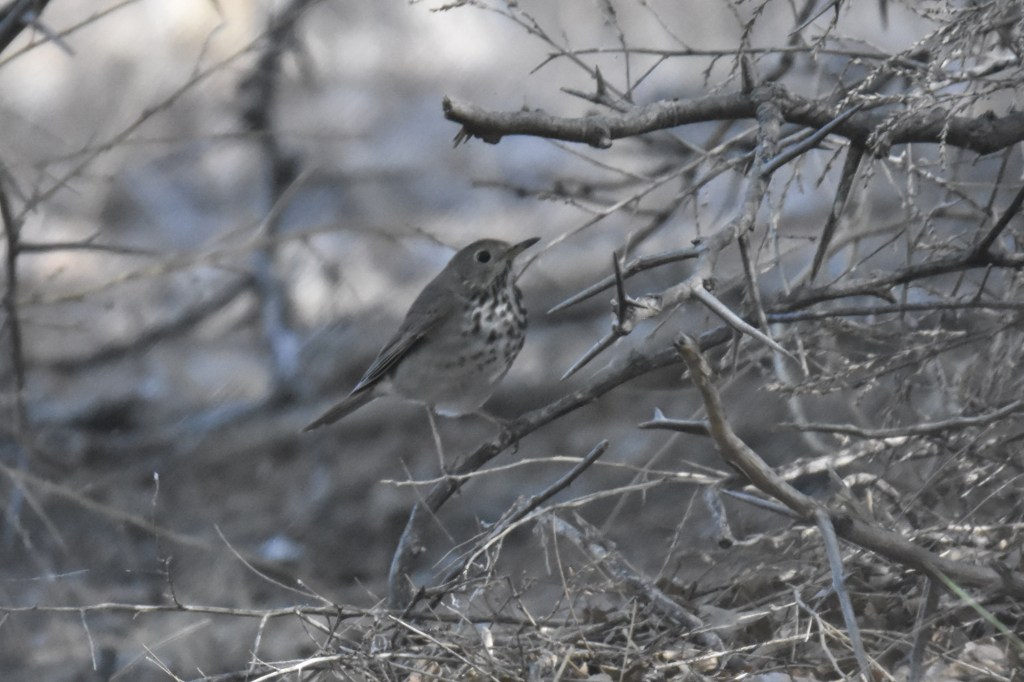
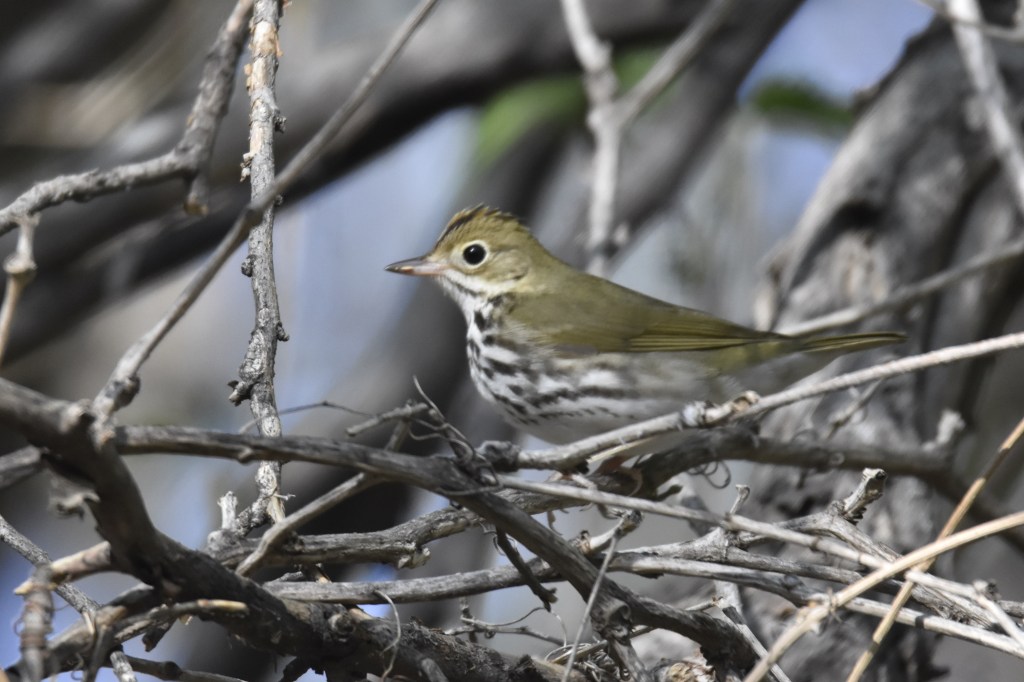
We left Hutchinson around 1pm Thursday afternoon (12th of May) and drove about 3 hours to Arkalon Park in Seward county that has hosted breeding Bronzed Cowbirds the last few years. The weather was less than ideal, nearing 100° F with strong winds but we made the best of it. The birding was pretty slow in the scrubby woodlands but a Bewick’s Wren in there and then nice shorebird diversity at one of the ponds at the southeast end of the park helped make up for that. Shorebird highlights included Semipalmated Plover, Stilt, Baird’s, and Least Sandpipers and a White-faced Ibis. We then headed to Elkhart and got to the shelterbelt a little after 7 thanks to a wrong turn back in Liberal that added 15 minutes to the trip. Literally the second bird we saw in the shelterbelt was a nice Worm-eating Warbler! A good bird this far west. Unfortunately both of my camera batteries for my DSLR died (I think it was from being in the car in the heat at Arkalon) so I didn’t get pics of the warbler. The rest of the of the shelterbelt wasn’t crazy but we picked up a few more decent birds like Hermit Thrush, Summer and Western Tanagers, Lazuli Buntings, Ovenbird, and multiple MacGillivray’s Warblers.

Ovenbird
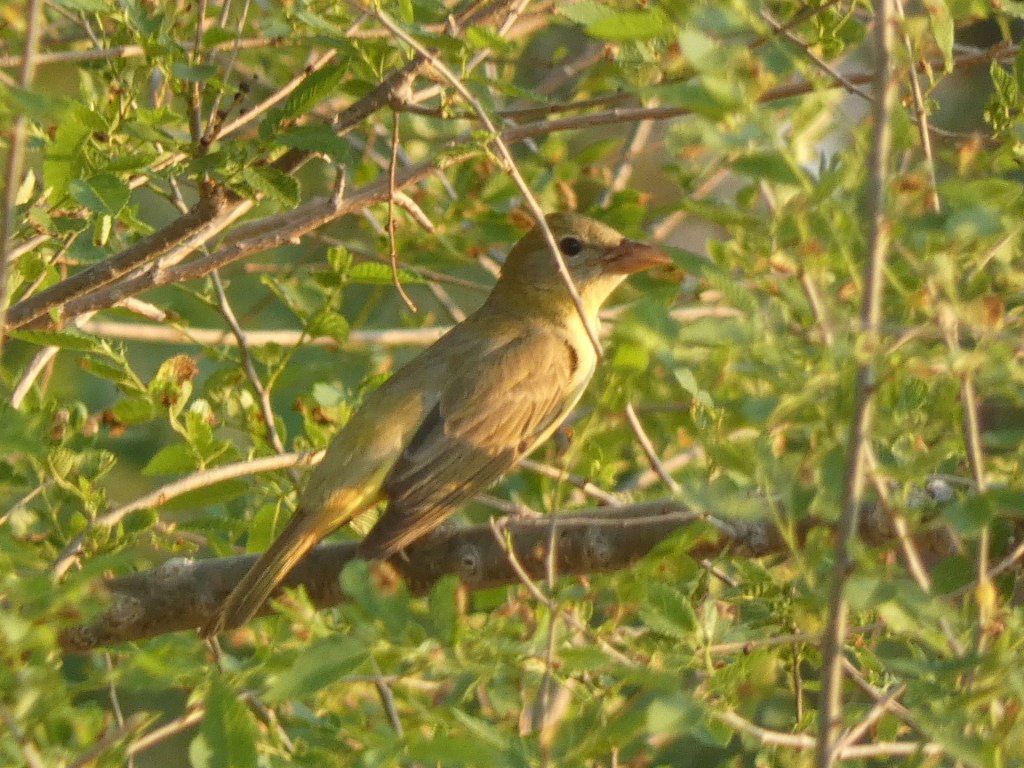
an unusually gray Summer Tanager

A quick stop at the WTP gave us a surprise Lesser Prairie Chicken coming to drink at dusk! We finished our birding for the day with a Common Poorwill flying up from the road and a Great Horned Owl calling at Point of Rocks.

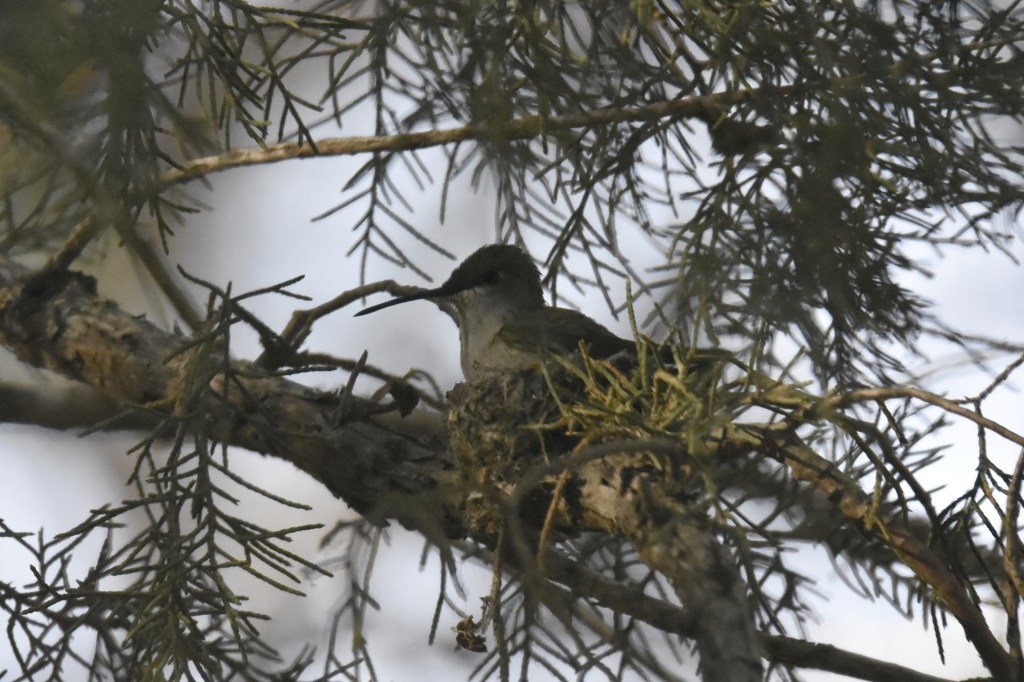
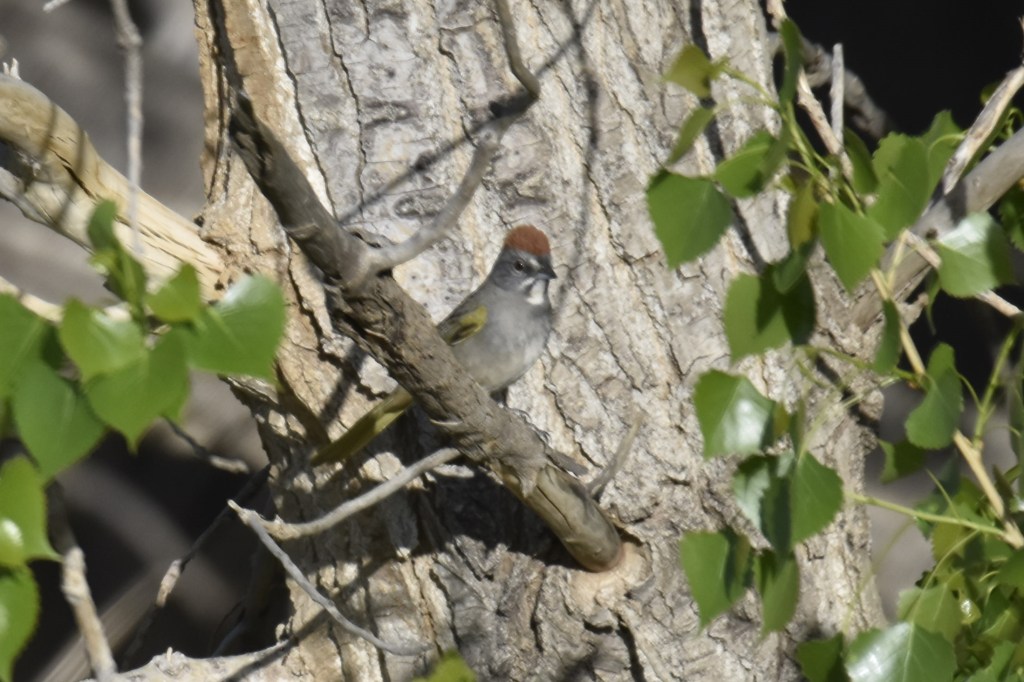
The next morning we were at it bright, early, and cold! The wind had switched to the north dropping the temperature to a bit under 50° F! We birded Middle Spring first thing in the morning. Warbler activity was decent for me with the best bird being a Black-throated Green Warbler which Franklin unfortunately missed. A stop at Tunnerville on our way to the shelterbelt gave us a nice Green-tailed Towhee! Because of the north winds there weren’t many new birds at the shelterbelt with a bunch of the same from yesterday. A definite highlight was finding a Black-chinned Hummingbird nest (ID confirmed by Shari Williamson) which was the first confirmed breeding record for the state!

nesting Black-chinned Hummingbird!

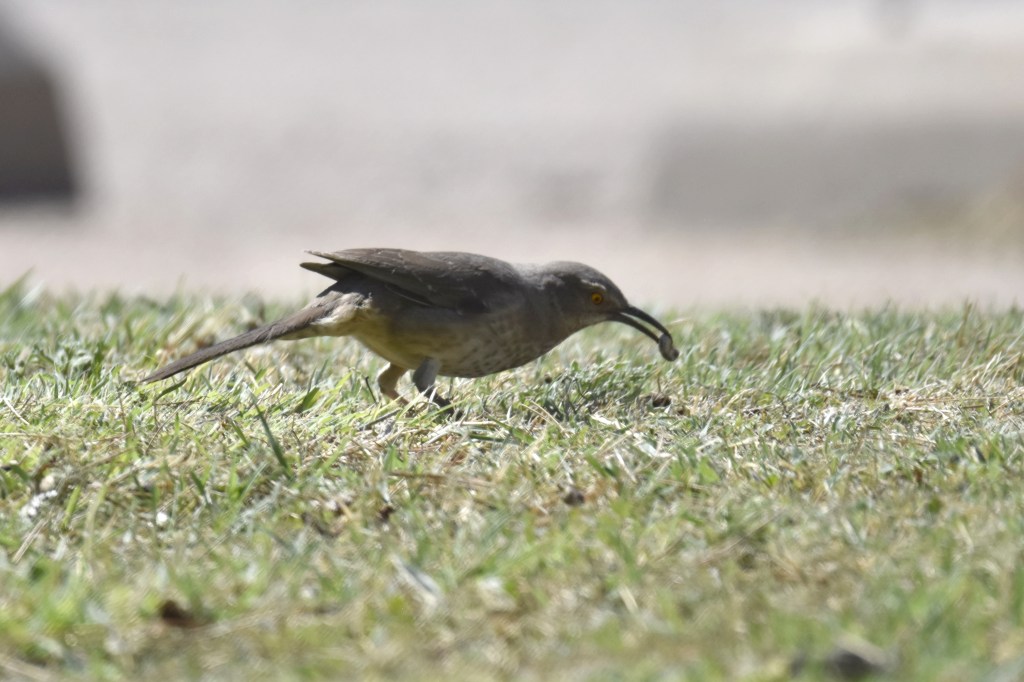
We grabbed pizza for lunch and ate it at a small park behind El Rancho motel while enjoying watching a Curve-billed Thrasher!

Curve-billed Thrasher

We picked up Burrowing Owl at the prairie dog town before heading to Point of Rock Ponds. Point of Rock Ponds had the usual Sora. We wandered back in a ways and had some fun stuff like Brewer’s Sparrow, but it was fairly slow birding. We were getting a bit tired at this point so we stopped at Middle Spring for some relaxed afternoon birding. I took a short nap and then enjoyed my lifer Willow Flycatcher while Franklin wandered around seeing if he could turn up anything. After not too much there we headed to West Bend and trekked in about 1.5 miles. It’s a bit of a walk, but has the potential for some good birds.

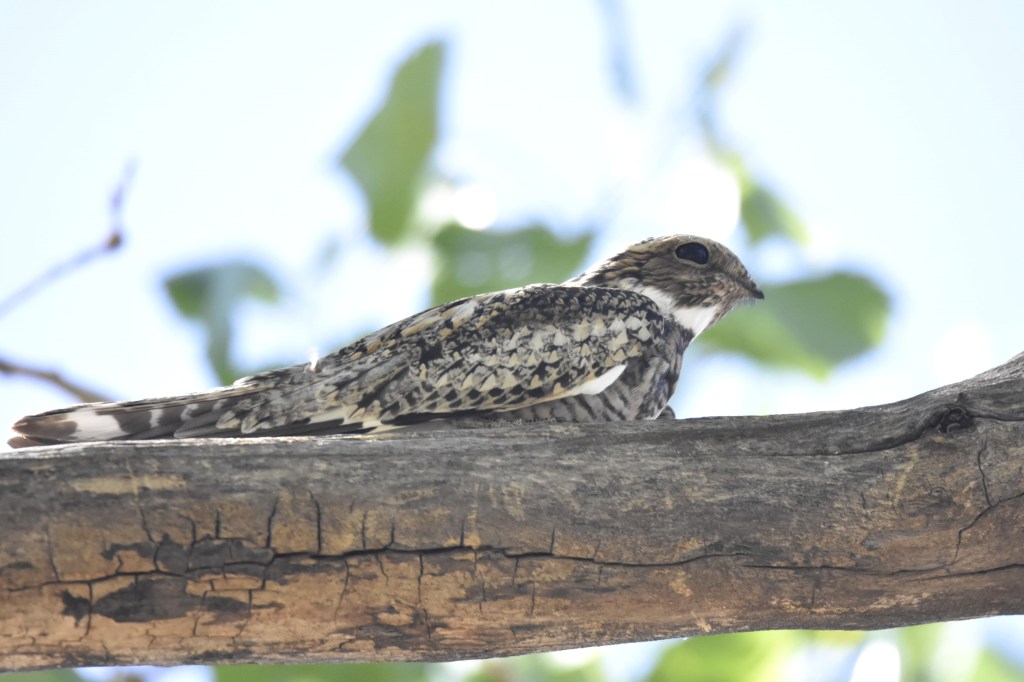
roosting Common Nighthawk

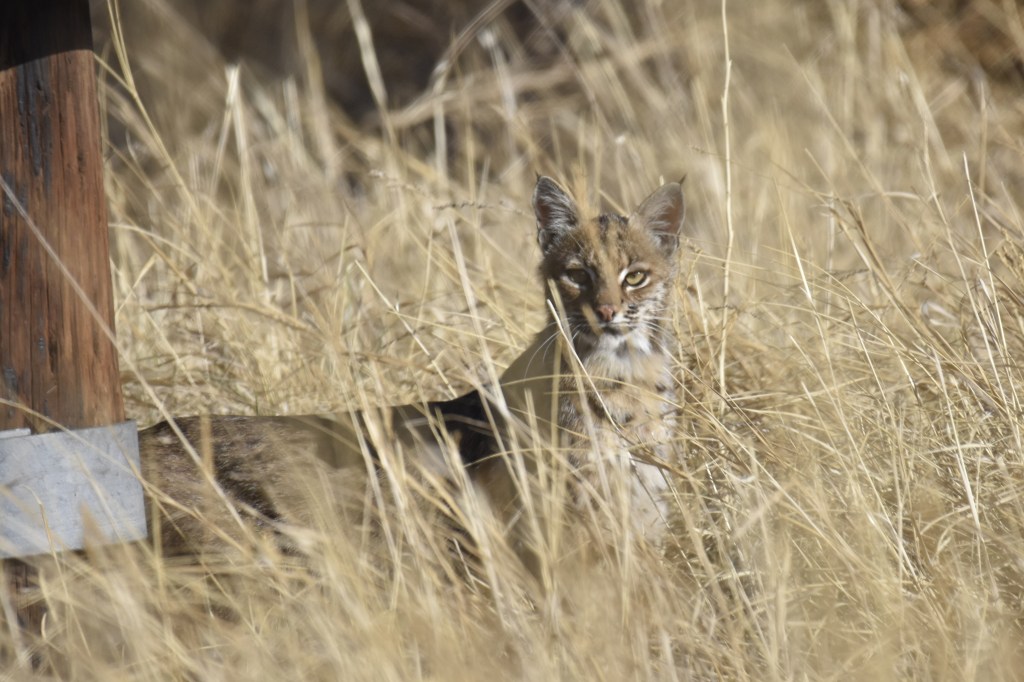
We got another Green-tailed Towhee, loads of singing Yellow Warblers and a few others like a female American Redstart, MacGillivray’s and Orange-crowned Warblers. We also had great views of a bobcat! By then it was getting fairly late so we swung by the shelterbelt quickly then headed out west of town where we had several singing Cassin’s and Grasshopper Sparrows. We came back to the WTP around the same time as the day before hoping to see the prairie chicken again, but no luck. We ended a solid day of birding with just over 100 species and 2 backyard bbq pizzas 🙂

Green-tailed Towhee a really good Kansas bird. Spring migration in Morton county is the only somewhat regular spot to get them in the state afaik
a Bobcat!

The wind had changed to more of a south east wind for much of the night so we were expecting good things for the day. We checked the WTP and there was some turnover in the waders with 2 ibis being new and a couple different peeps. The shelterbelt felt dead at first, but then as the sun warmed the treetops the warblers started moving and it started getting lively! The definite highlight of the morning was a stunning Bay-breasted Warbler, another really good bird out here. Some other highlights were a possible Audoboni Hermit Thrush (Audoboni is a western subspecies and is rare in Kansas) and Magnolia Warbler. Unsurprising given the southeast winds the there was a definite influx of eastern species. It was nice to meet Brian and Nick at the shelterbelt and it was Brian who got us on the Magnolia (we did find the other species ourselves 🙂

terrible photo of a stunning male Bay-breasted Warbler
probable Audoboni ssp Hermit Thrush

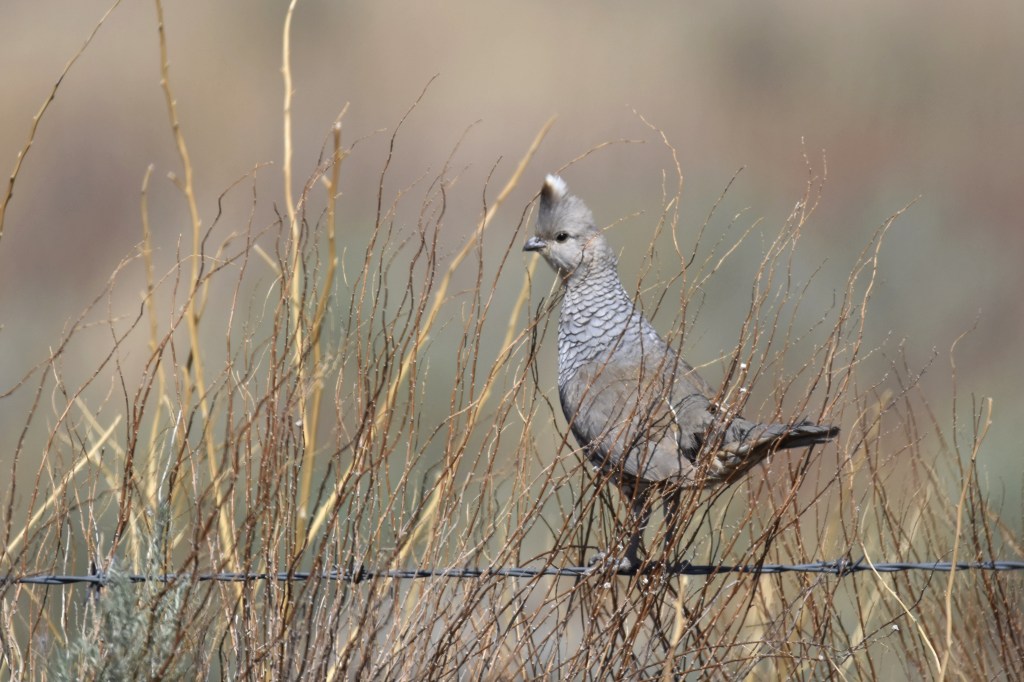
After this we went to Middle Spring which was actually pretty disappointing with nothing really of interest. We hit Tunnerville one more time hoping for the Ladder-backed that sometimes calls Tunnerville home, but yet again no luck. On our way out of Tunnerville to Elkhart I saw a Scaled Quail on a fencepost as we cruised along at 70 mph! It was very obliging and just sat there calling as I slammed on the brakes and backed up. It allowed amazing views and decent photos.

Scaled Quail

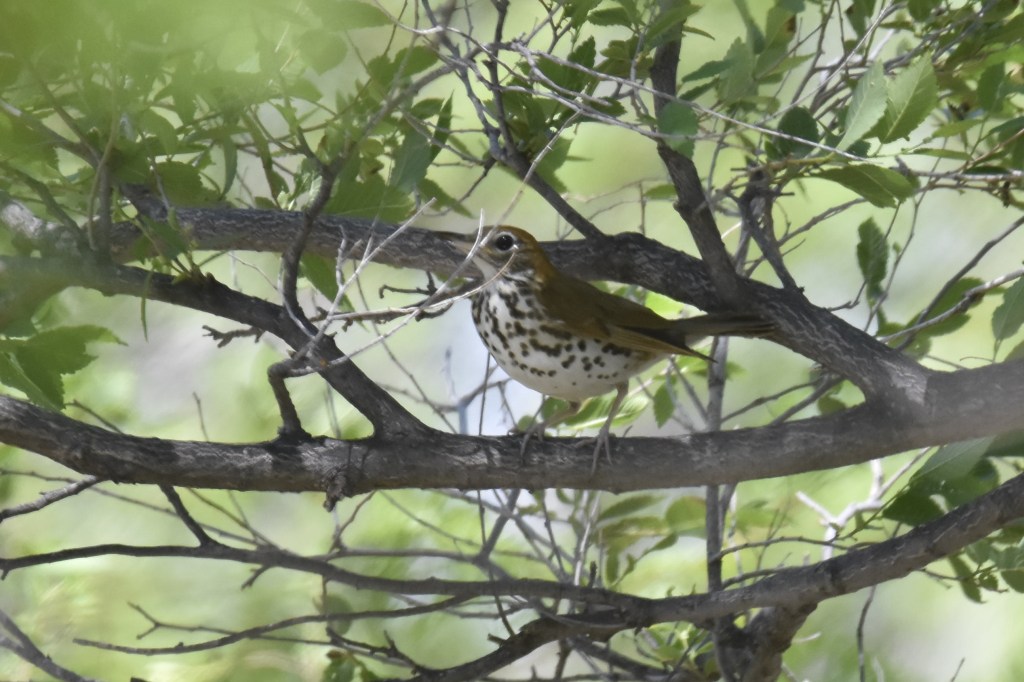
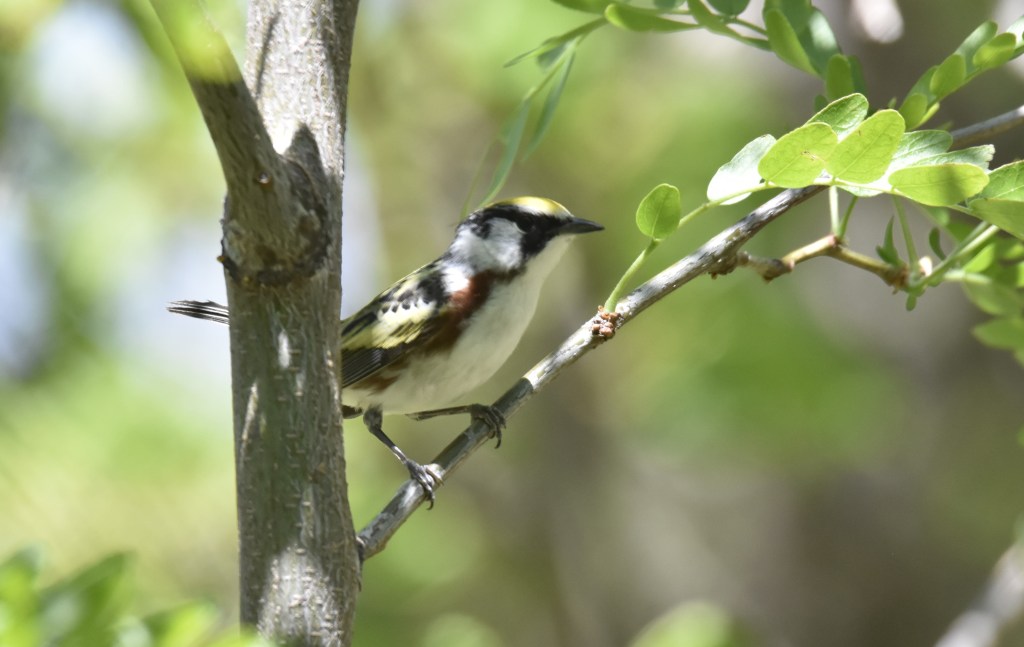
By now it was nearing noon and we needed to start birding our way back towards home. Our first stop on the way back was at Hugoton Storm Runoff Ponds roughly 30 minutes from Elkhart. It didn’t seem like a great place to me, but Franklin remembered it was decent last year so we headed to the woodlands. Almost immediately once we were in decent habitat I saw a gorgeous Wood Thrush! We continued birding and had another Wood Thrush as well as a stunning male Chestnut-sided Warbler! Both the thrush and warbler are first county records for Stevens county! Western Wood Pewee was another solid bird there.

Wood Thrush – one of 2 individuals we found
Chestnut-sided Warbler
Western Wood Pewee

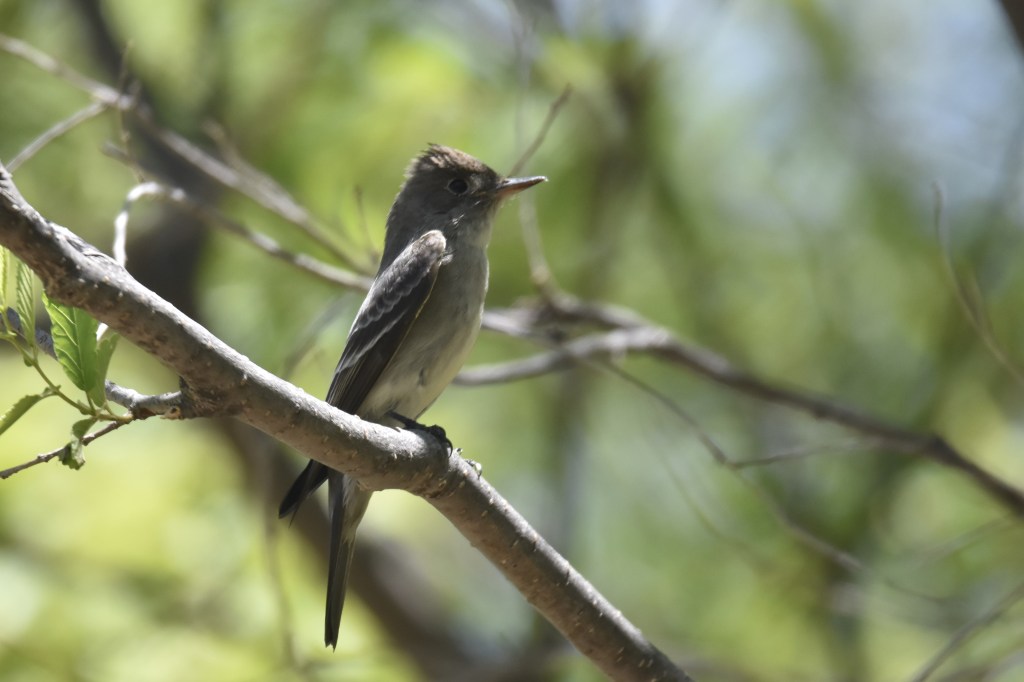
After that very successful stop we went on to Clark SFL. Clark was fairly disappointing with few migrants and mainly breeding species but we still crossed 50 species there with relative ease. We now headed north towards Dodge City and were able to pick up our target Black-billed Magpie!

absolutely awful documentation shot of the Black-billed Magpie

We birded Ford County Lake a bit, but it was pretty slow. We decided to drive 1.5 hours to Quivira to end our day there around sunset and picked up a nice surprise flyover pair of Black-bellied Whistling Ducks as we drove through Larned. Quivira added some species to our day and trip list including Snowy and Cattle Egrets, American Bitterns and White-rumped Sandpiper taking our day list for Global Big Day to 131 species.

poor shot of a White-rumped Sandpiper

All in all it was a very successful trip with 160 species across 2.5 days of birding and half of Kansas. Our year lists ended up tied at 276 which placed us around the top 5 for the state! Also of note, I just scraped past 300 species for my Kansas life list on this trip ending at 301! Not too shabby for basically starting last June!

We had a lot of good birds and great times! I treasure these memories and am going to greatly miss this birding with friends when I go to Pennsylvania for studies in August!

I hope to add a few more blog posts yet this summer from Kansas birding and maybe even some of my last Bangladesh trips that I never made posts about so stay tuned!

If you enjoyed this post, please subscribe for (hopefully) more. As always, feel free to comment!
An odd failed twitch!

On Sunday the 13th a very rare White-tailed Eagle was seen at Muhuri Dam in the south east of Bangladesh. It was only the second confirmed record for Bangladesh after one found by Paul Thompson on a river in Gaibanda back in 1996! When I first heard about it I half thought about twitching* it, but was almost hoping it wouldn’t be seen the next day so I wouldn’t have to decide. The next day several birders search was unsuccessful but then Tuesday the 15th it was seen again! So my friend Zaber and I started messaging back and forth and sometime in the evening we decided to go the following morning on the 6:30 bus if possible.
* for those who don’t know, twitching or chasing a bird is just going to see a rare bird that someone has found. Often, though not nearly always, it means going quite a distance at short notice

I woke a bit after 5 o’clock the next morning, quickly got ready, and headed to the bus station. Soon Zaber joined me, but we got bad news as the earliest tickets we could get were for the 7:15 bus, almost an hour away… We spent the next hour as best we could, including identifying Bangladesh’s first Collared Pratincole from a Facebook post 🙂 Finally the bus arrived at 7:30 and we were off. Throughout the four hour bus ride we waited impatiently for news of the eagle from birders that were already there, but it was all negative until maybe thirty minutes before we got to Feni, when we heard they had seen it! We got a CNG as soon as we were off the bus and headed towards Muhuri Dam. About fifteen minutes of the way there we got a text saying the eagle had fallen out of the tree as the birders watched it, and by the time we finally got to Muhuri the birders had had to pick up the bird and were slowly bringing it back by boat to the landing spot (where we were).
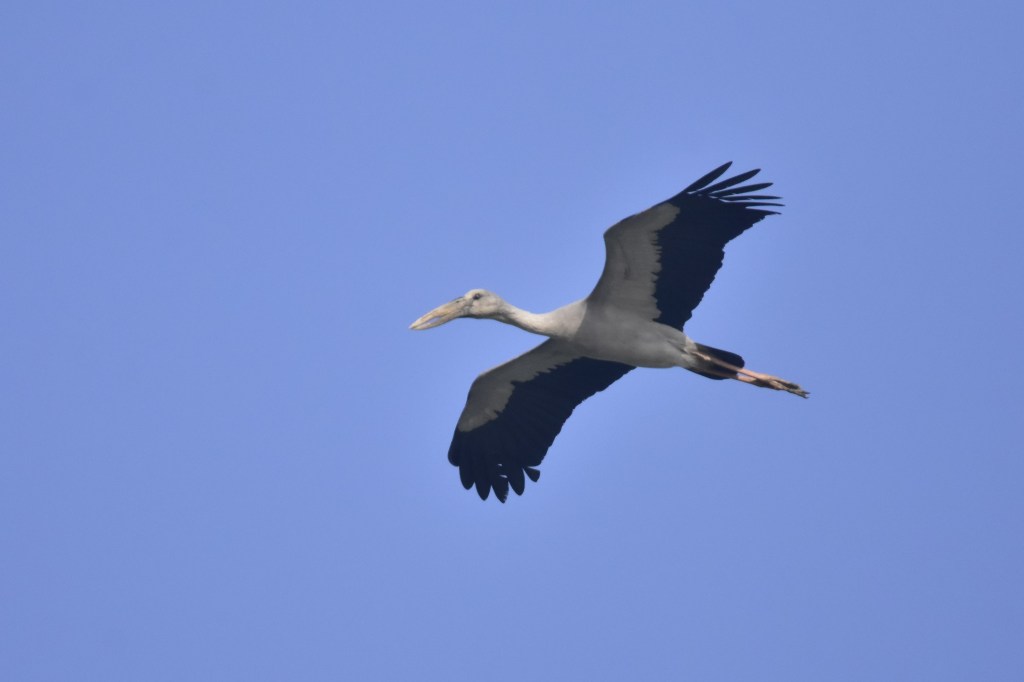
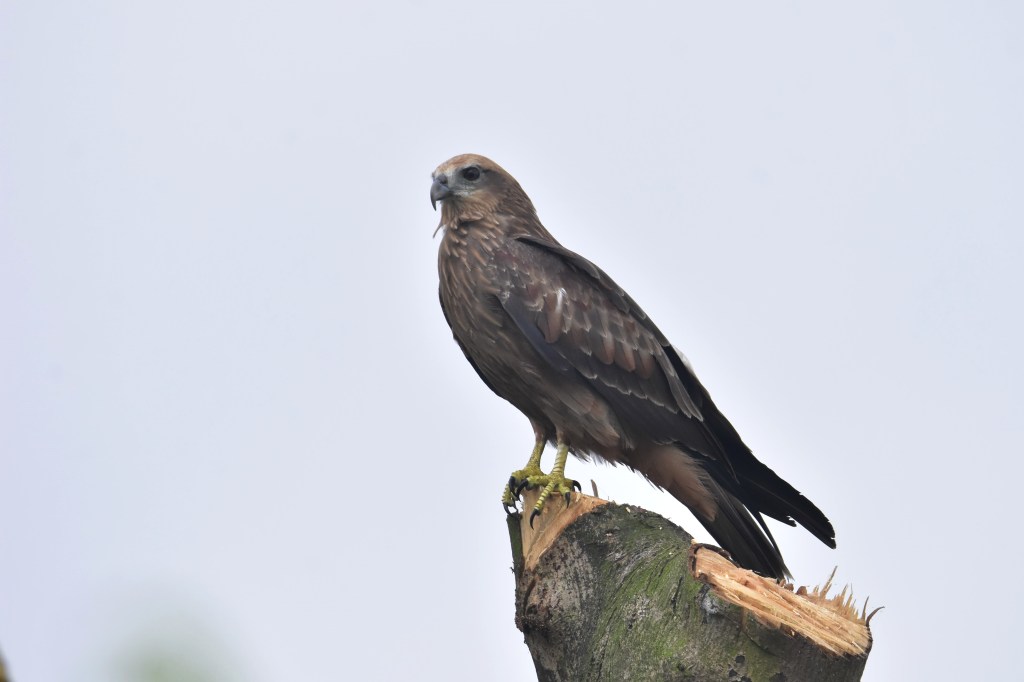
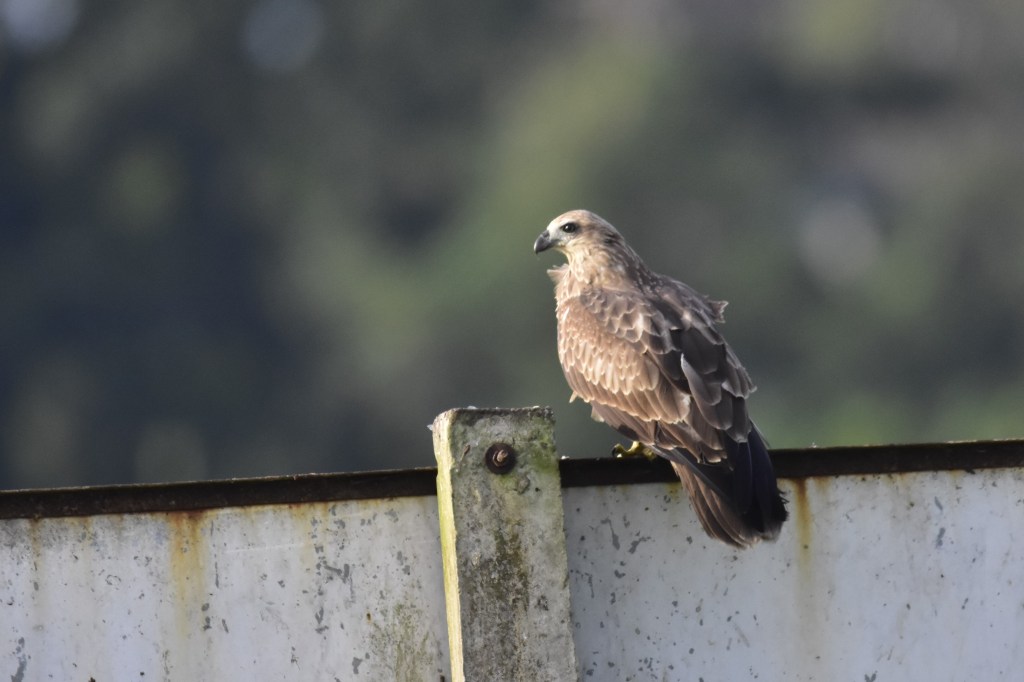
We had a few fun birds in the trees by the bank while we waited: both Yellow-browed and Greenish Warblers, Purple-rumped Sunbirds, and Taiga Flycatcher. A Grey-headed Fish Eagle soared high overhead along with some Black Kites and a flock of Asian Openbills.
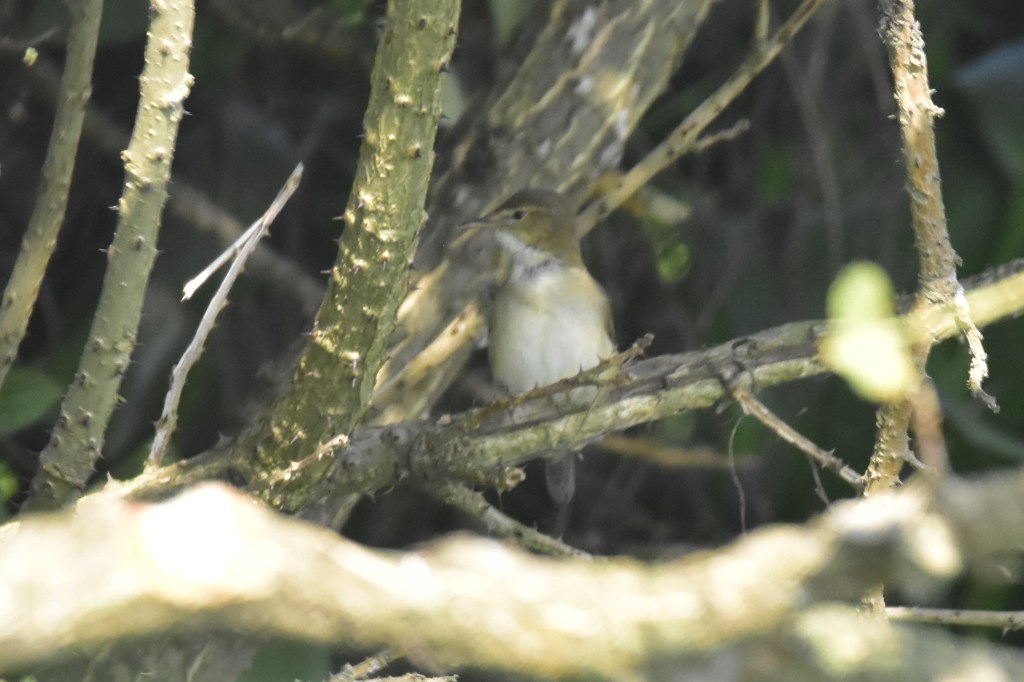
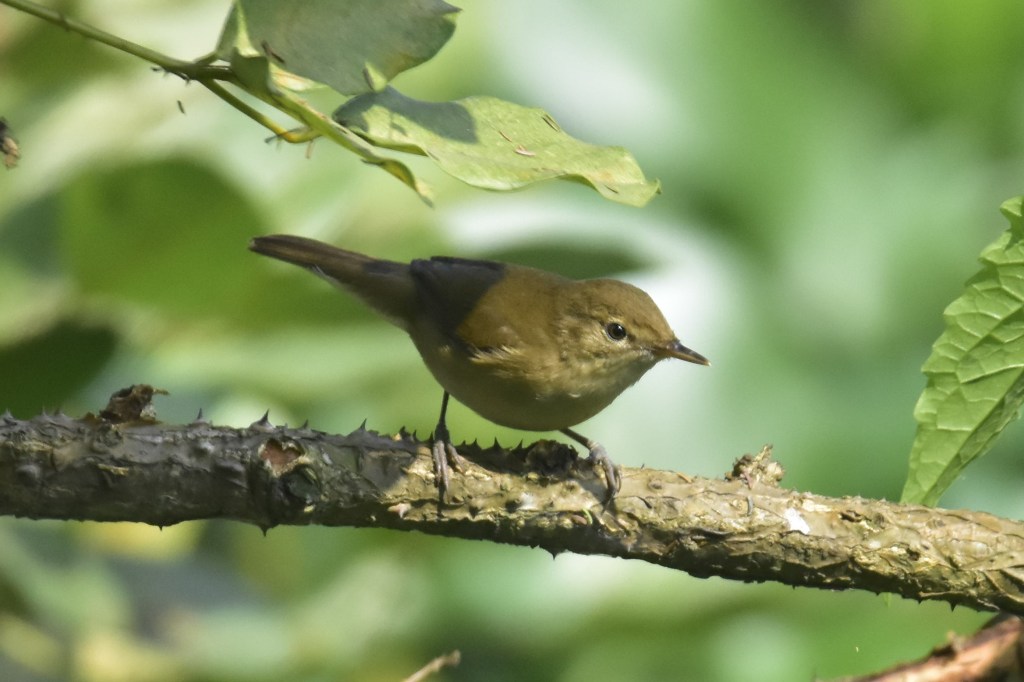
An odd looking warbler provided some interest, but it proved to just be a Blyth’s Reed Warbler, the most common species in Bangladesh.

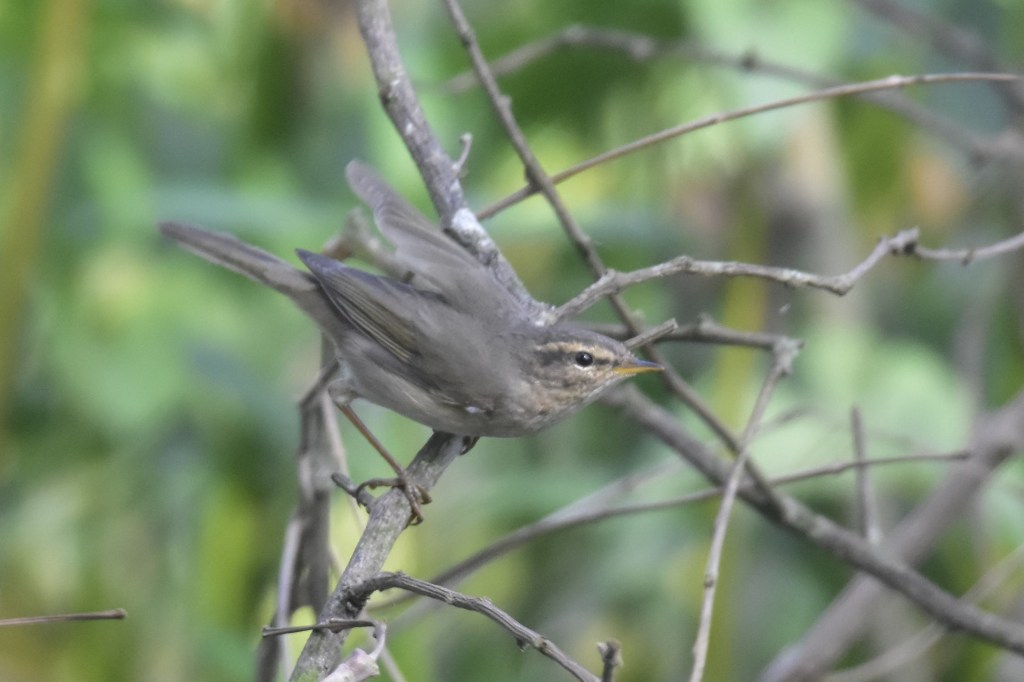
And a Dusky Warbler

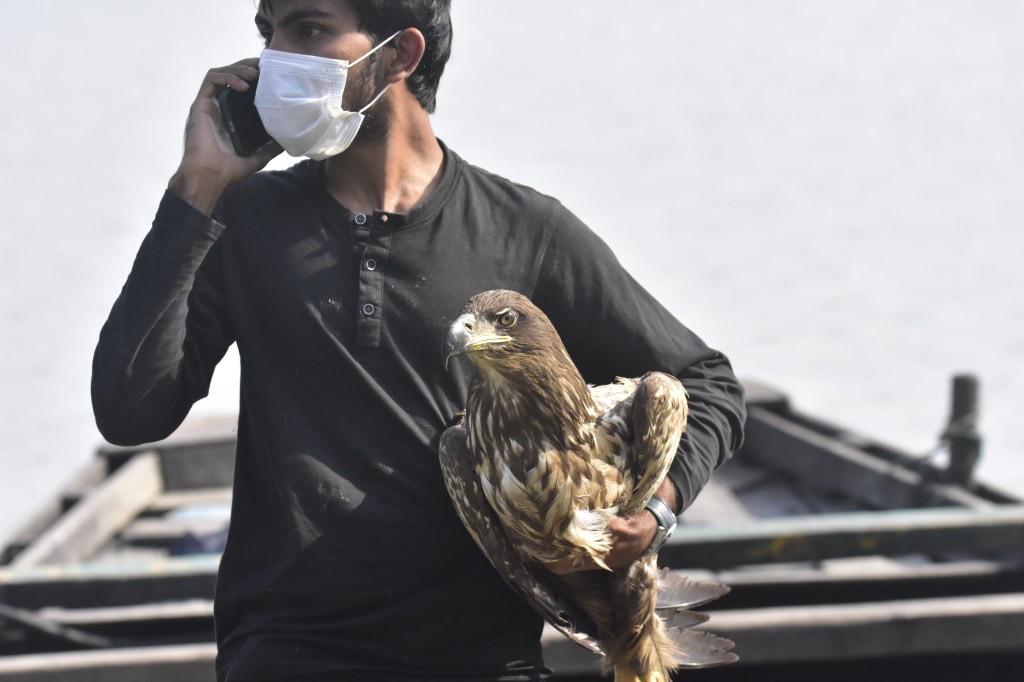
Finally after we had waited about an hour we saw Sultan Ahmed coming with the eagle

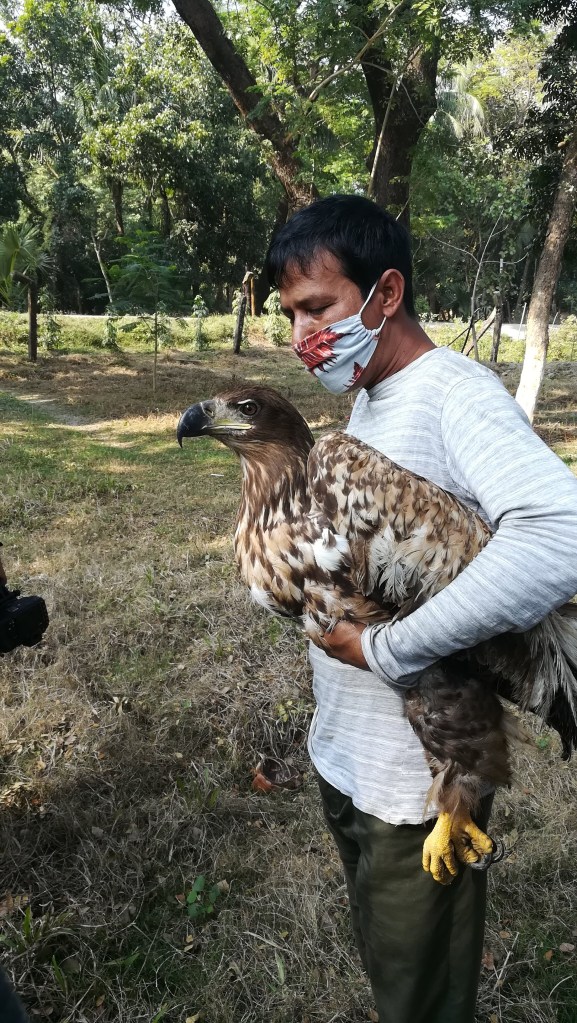
They quickly handed it over to a man from the Forest Department and sent it on its way to a hospital as it was not doing well.

Sadly, after a few minutes we heard that the eagle had died! It vomited then just died. It seems like it probably ingested poison and that caused this incredible bird’s demise 😦
In the next few days a dead Common Shelduck was also found; again poison is the suspected cause of death.

After hanging out with the 10 or so birders for a bit, Zaber and I headed out on a boat for some birding even though our main target had died 😦
Nazmul Hasan Abir, Sultan Ahmed, and Abu Sayed Mohammad Sarwar joined us.
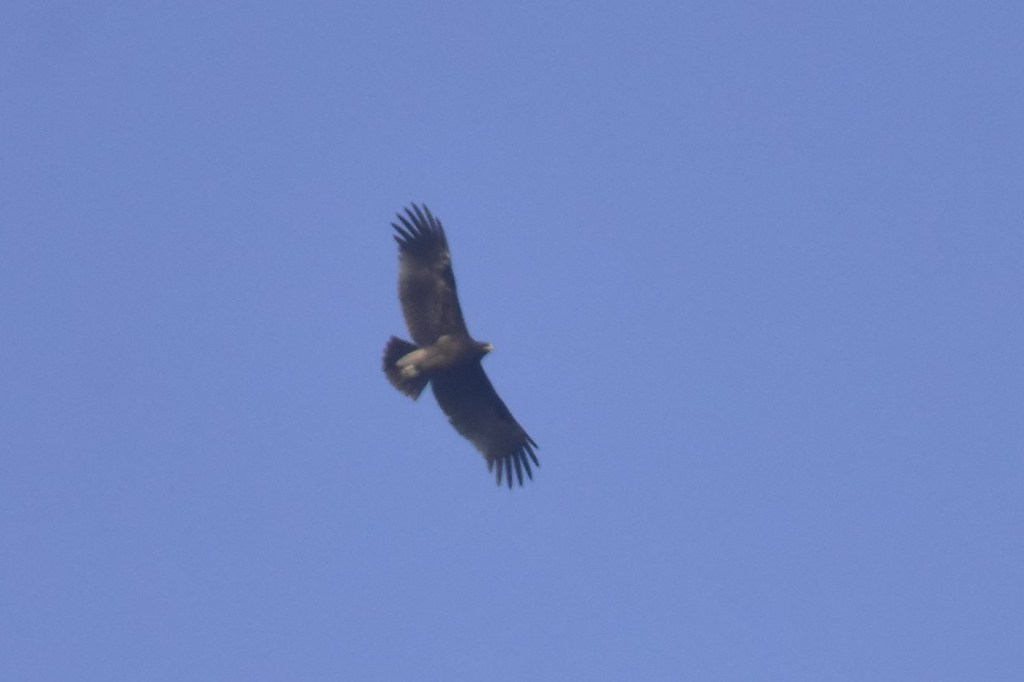
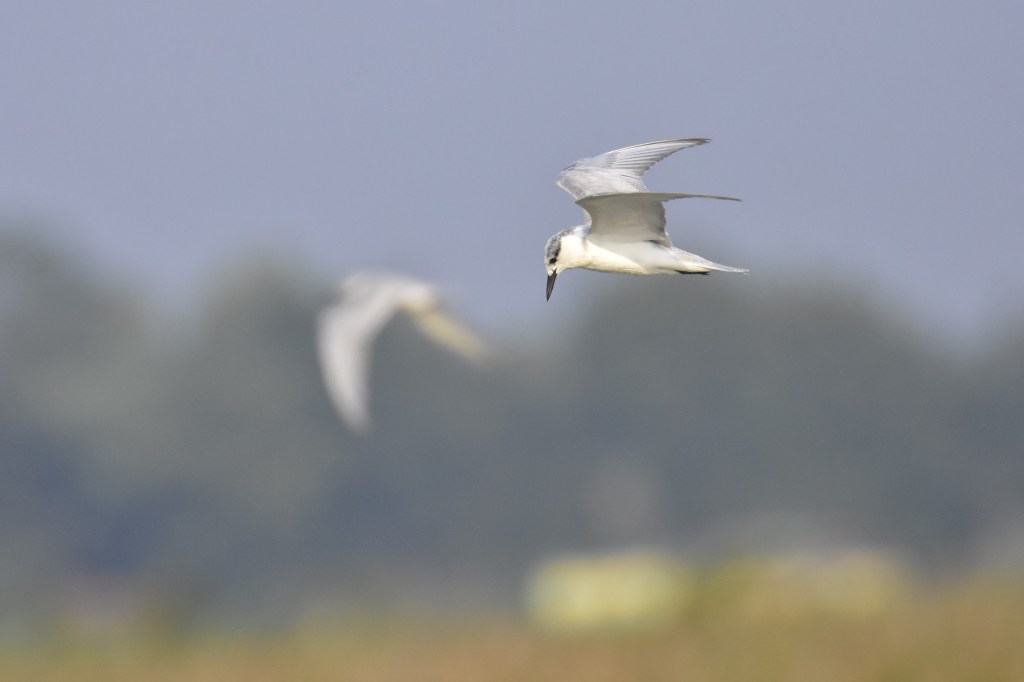
It was quite fun to be out on the water with birders again and the birding was great! Quite a few Whiskered Terns were flying around and one or two Greater Spotted Eagles were flying around quire high.

Greater Spotted Eagle

An Asian Openbill flew right over.

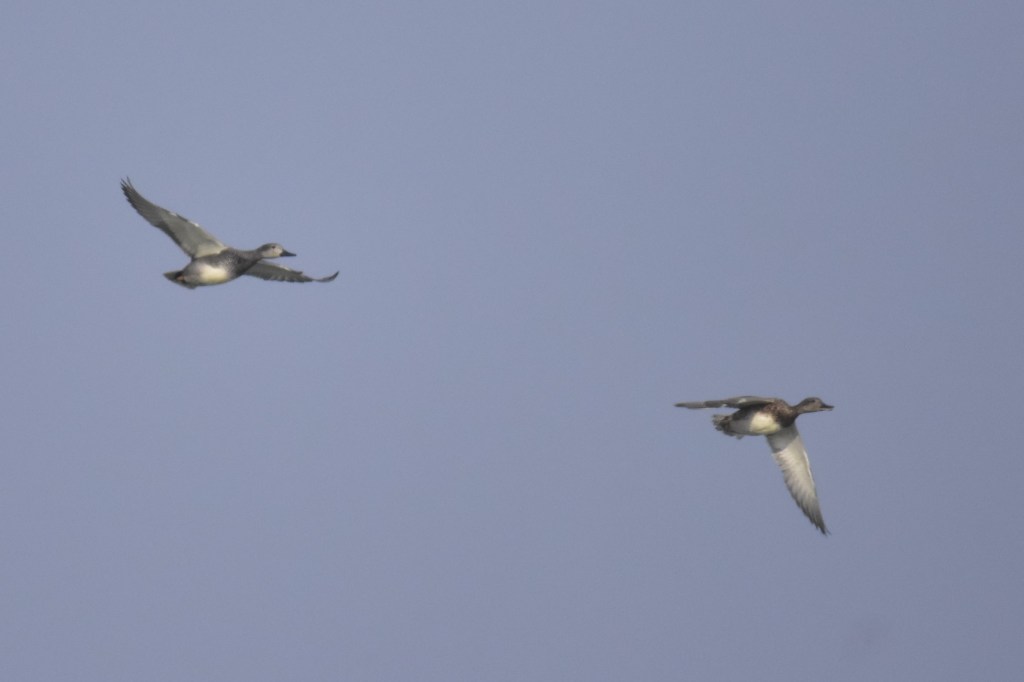
And I was finally able to get photos of Gadwall after seeing them but not having a camera in February.

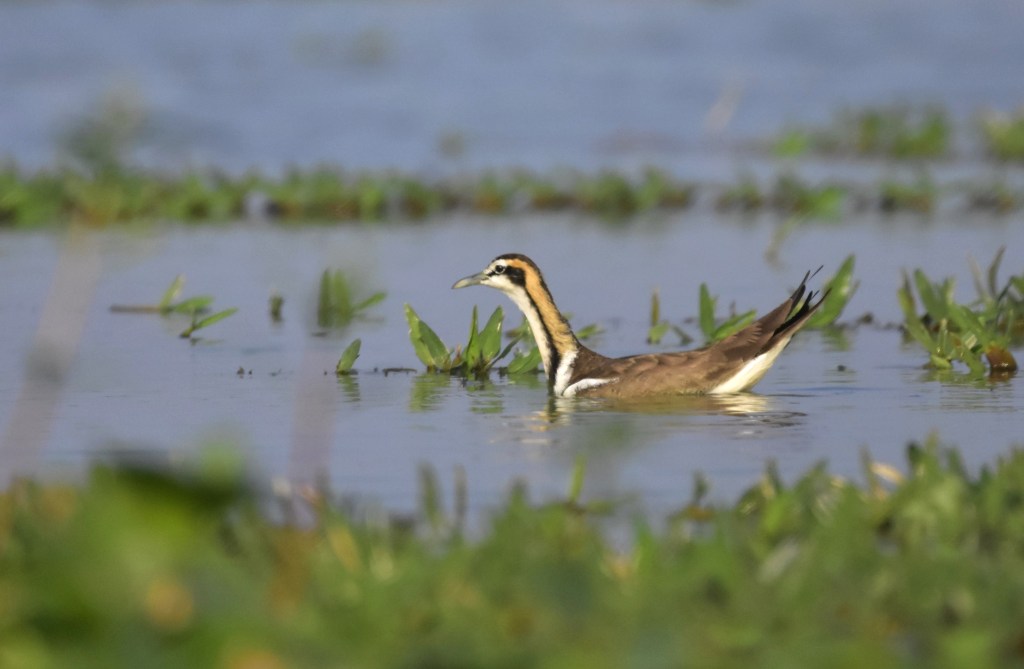
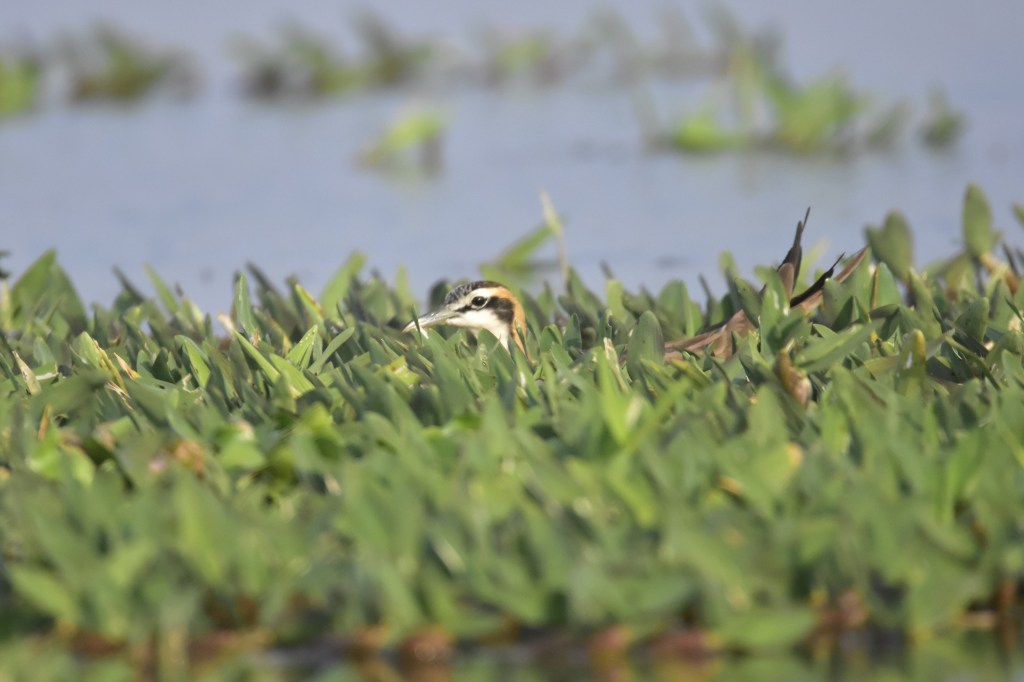
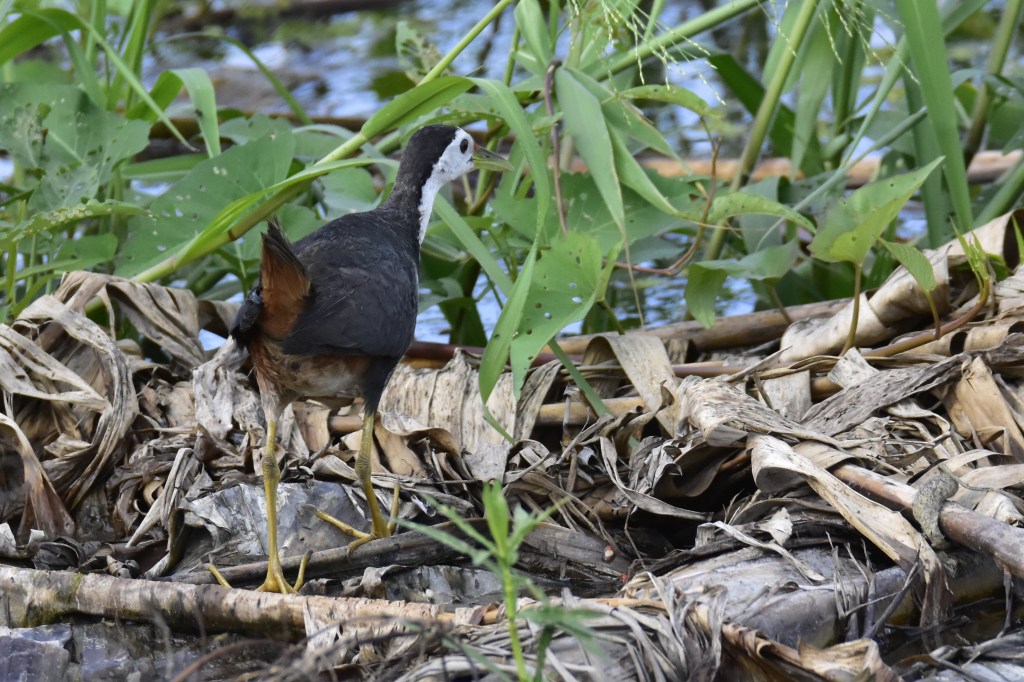
A Pheasant-tailed Jacana gave a fun photo opportunity:

The Whiskered Terns were very active: diving and flying through with the wind, and I was able to get a nice shot in the golden light.

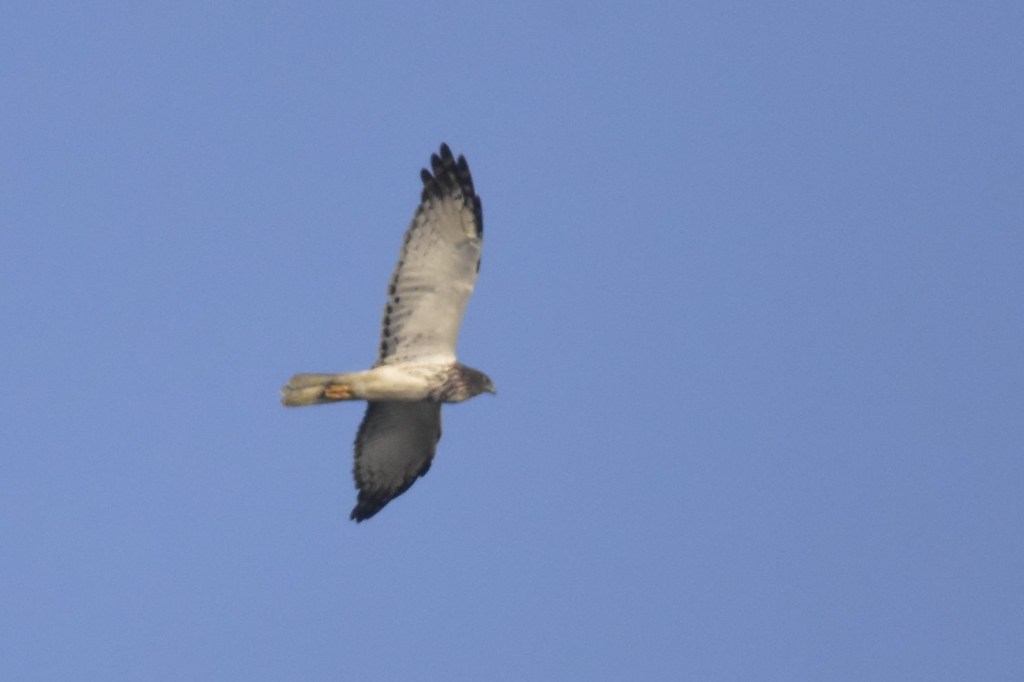
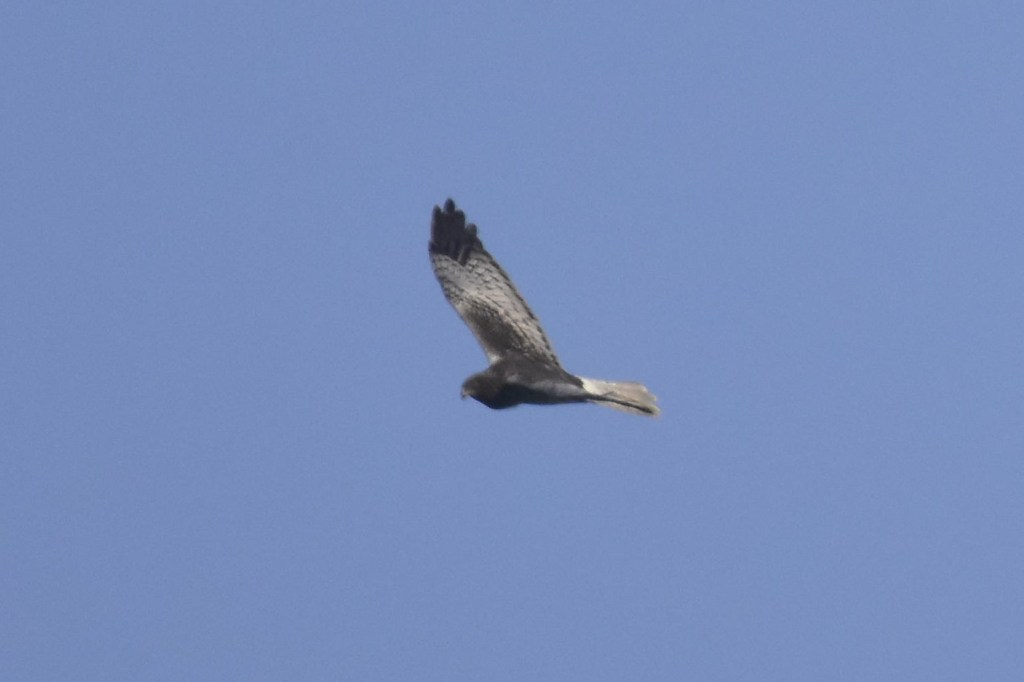
Then as we were watching a perched Grey-headed Fish Eagle someone noticed an Eastern Marsh Harrier, a lifer!


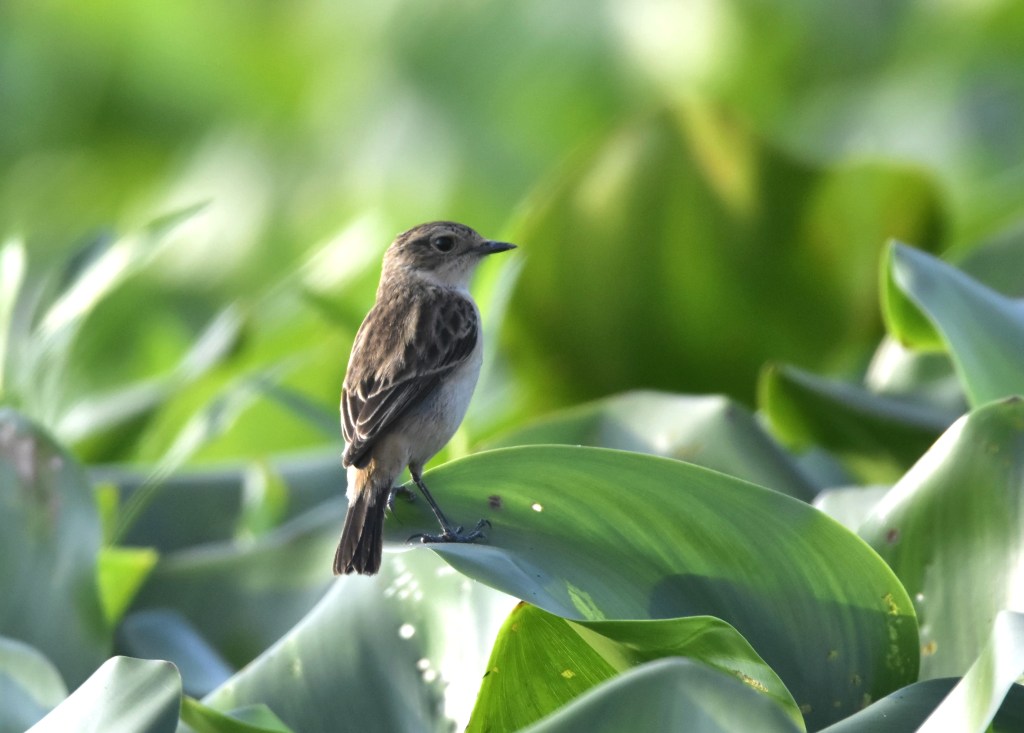
A few Siberian Stonechats were fun to photograph. I hadn’t seen them in this sort of wet habitat before, although it isn’t too unusual for them.

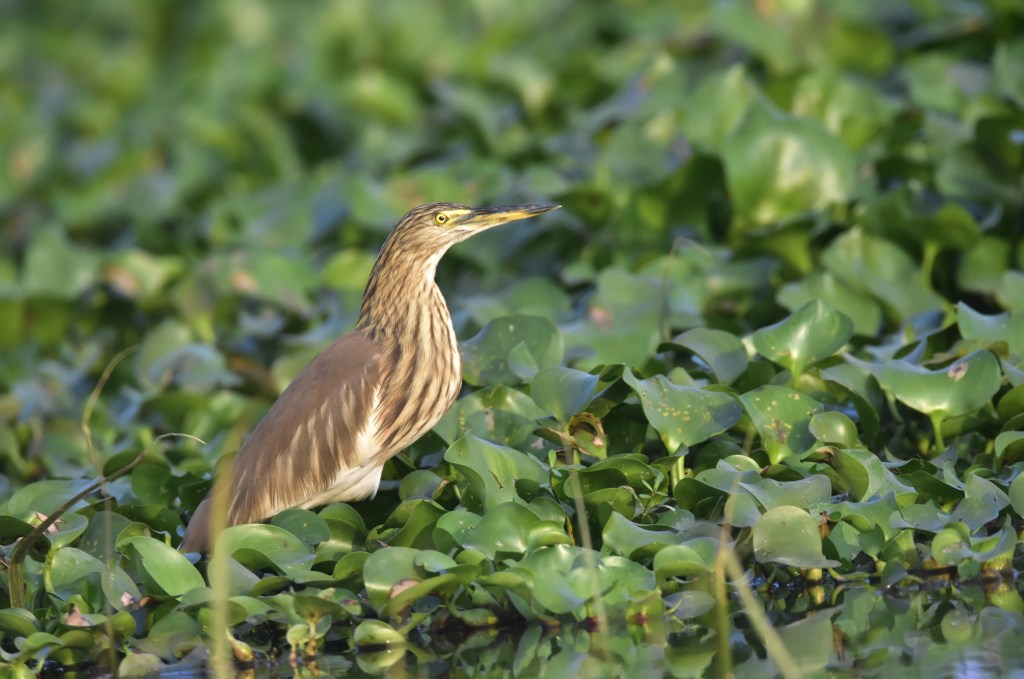
Indian pond herons were everywhere

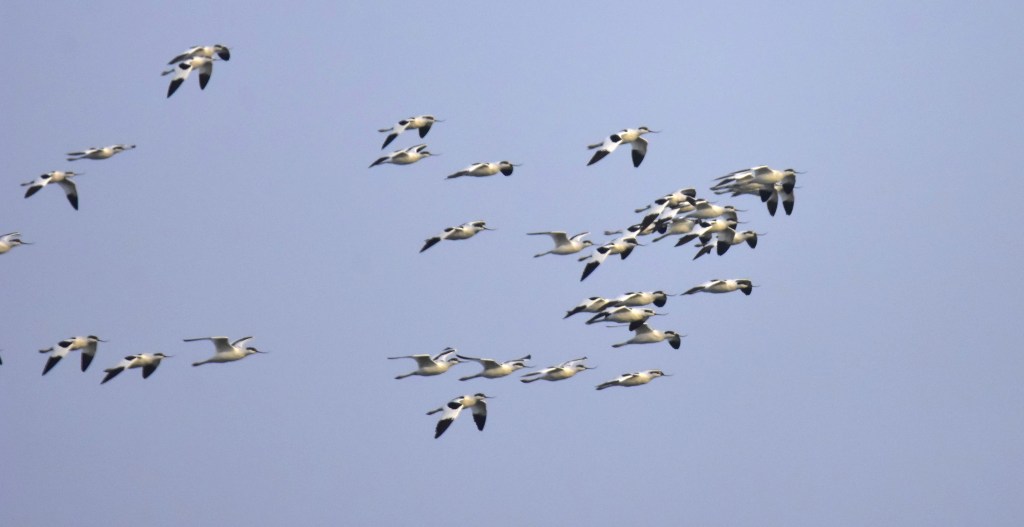
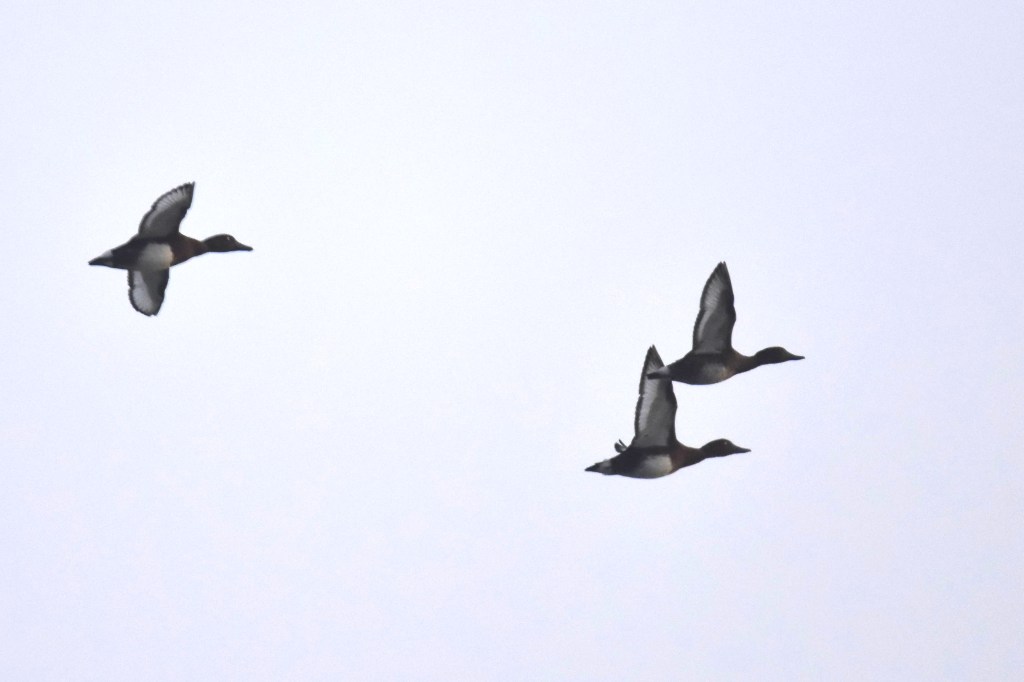
I had several fun birds fly over but I couldn’t manage photos for several of them including Ferruginous Duck and a Pied Avocet. I was slightly frustrated, but then a huge flock of over 50 Pied Avocets came through and I was able to get some fun shots.

It was now nearing dusk and we slowly started back. Zaber saw a Baillon’s Crake, but none of the rest of us could get on it.

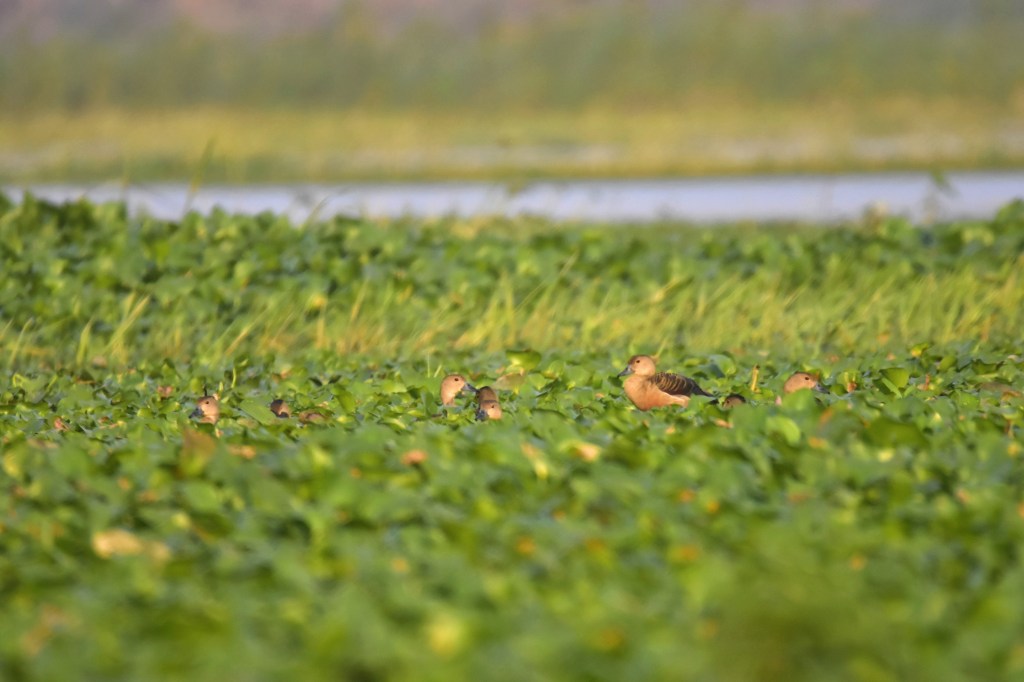
Lesser Whistling Ducks

The ducks really started coming in now, with nice numbers of Gadwall, a few Ferruginous Ducks out on the water, and lots of whistling ducks in the hyacinth.

Ferruginous Ducks

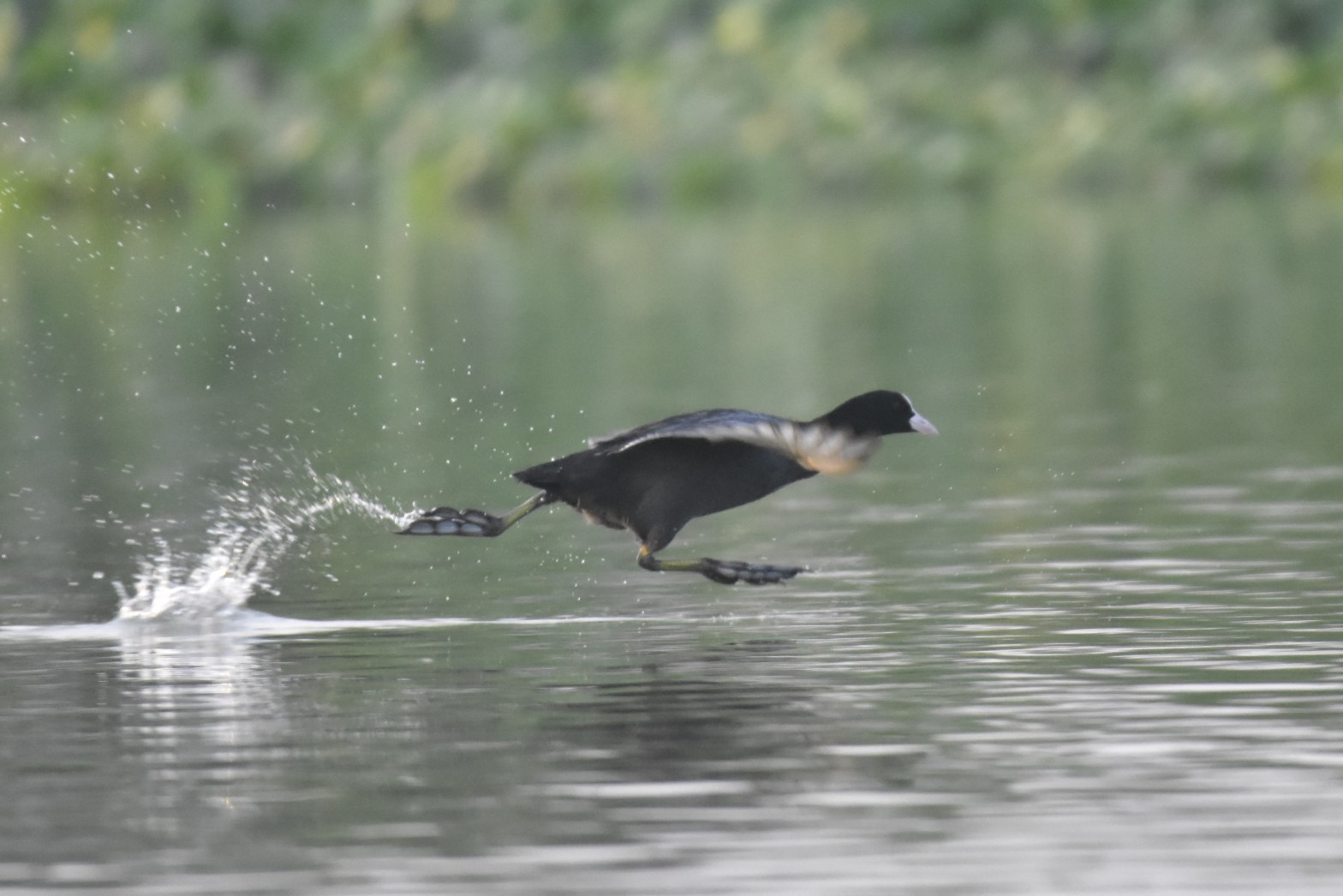
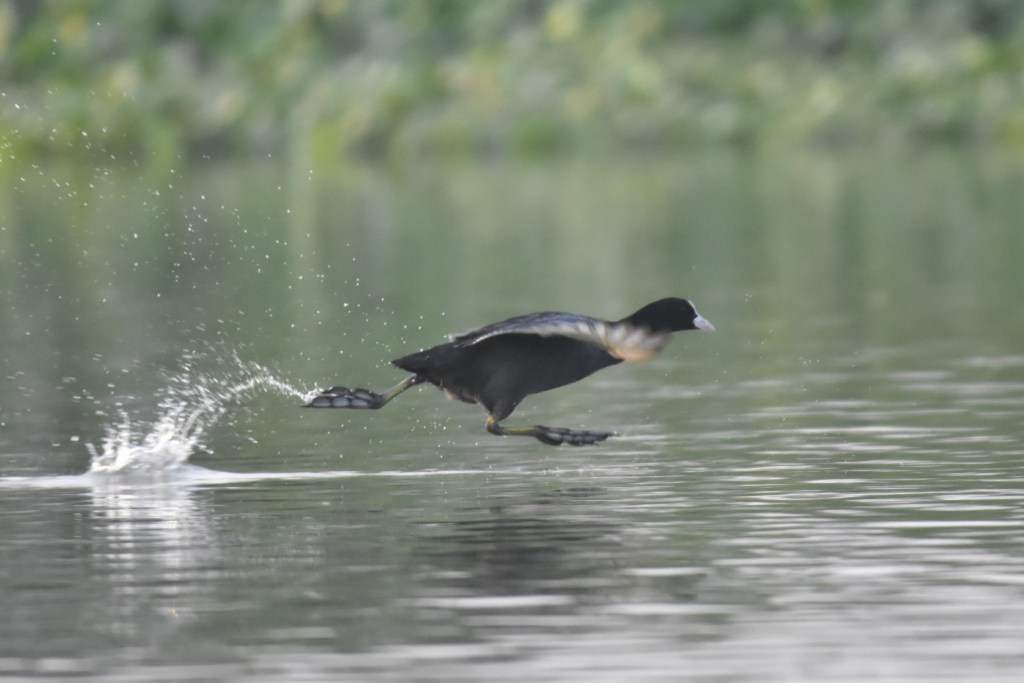
Eurasian Coots were plentiful and would trundle across the water in a desperate attempt to get airborne as we headed through the flock to get to the landing. Anything with a long takeoff is fun to photograph and the coots were no exception:

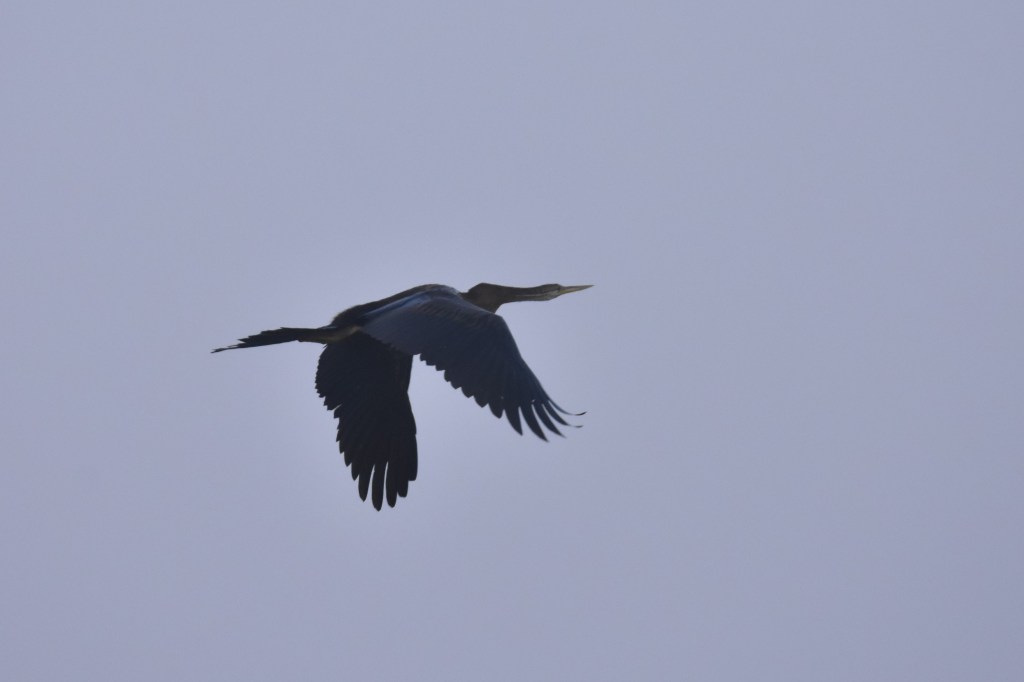
And one last gift were ok photos of a cool Oriental Darter, my first photos from Bangladesh.

We ended up with 60+ species including 1 lifer for me, so not bad!
eBird checklist: https://ebird.org/checklist/S77554506

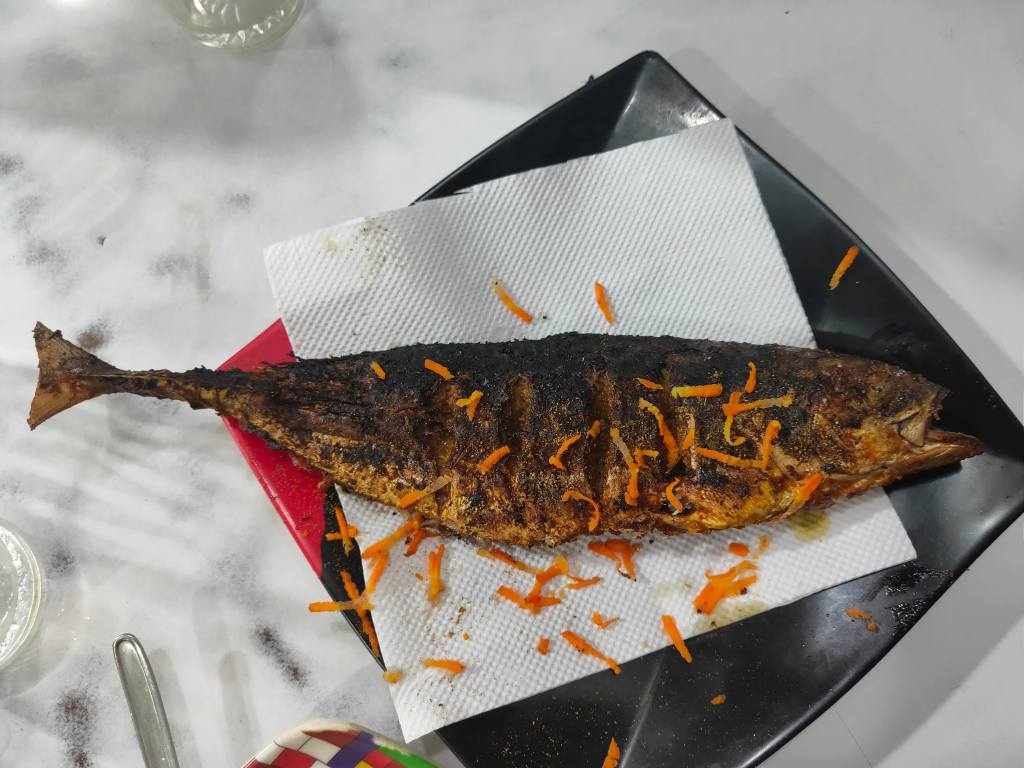
After an amazing meal of fresh BBQed fish from the ocean and parota courtesy of Nexus vai we got on the bus to head back to Dhaka.

each person had a whole fish!


As I reflected on this strange day, I realized that, yes, it was disappointing to miss seeing the eagle truly in the wild, and it was even more sad to see such an amazing animal die. But despite that sadness it had been a great day with birding friends and I realized how cool it is to be part of this birding community!

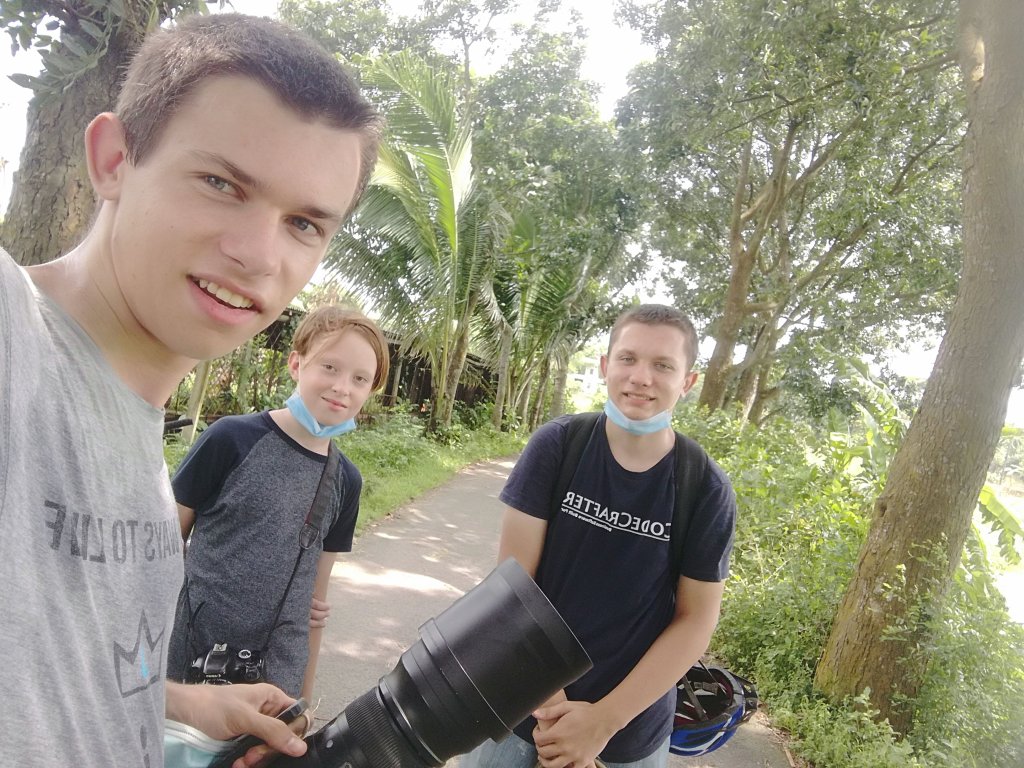
Abir on the left, Zaber on the right, me in the middle, then Sarwar behind me with the boatman in the very back.
(I’m terrible at smiling for selfies…)

If you enjoyed this post, please subscribe for more. As always, feel free to comment!
What birding is about! Plus finding a Black-headed Bunting!

This past weekend* was a perfect example of why I love birding for three reasons: enjoying the common species, finding rare species, and doing it with friends!

(This was from late September! I started writing it immediately after, but didn’t get around to finishing it till now 😬)

The weekend started off at New Vision, birding with two of the legends of Bangladesh birding, Sayam Chowdhury and Enam-ul Haque!

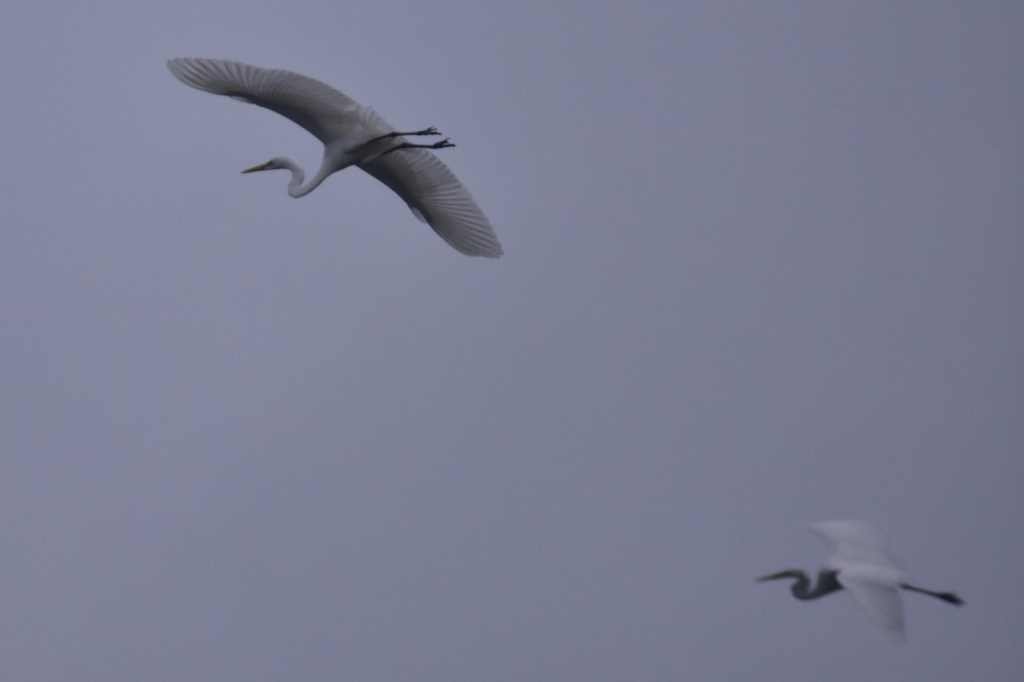
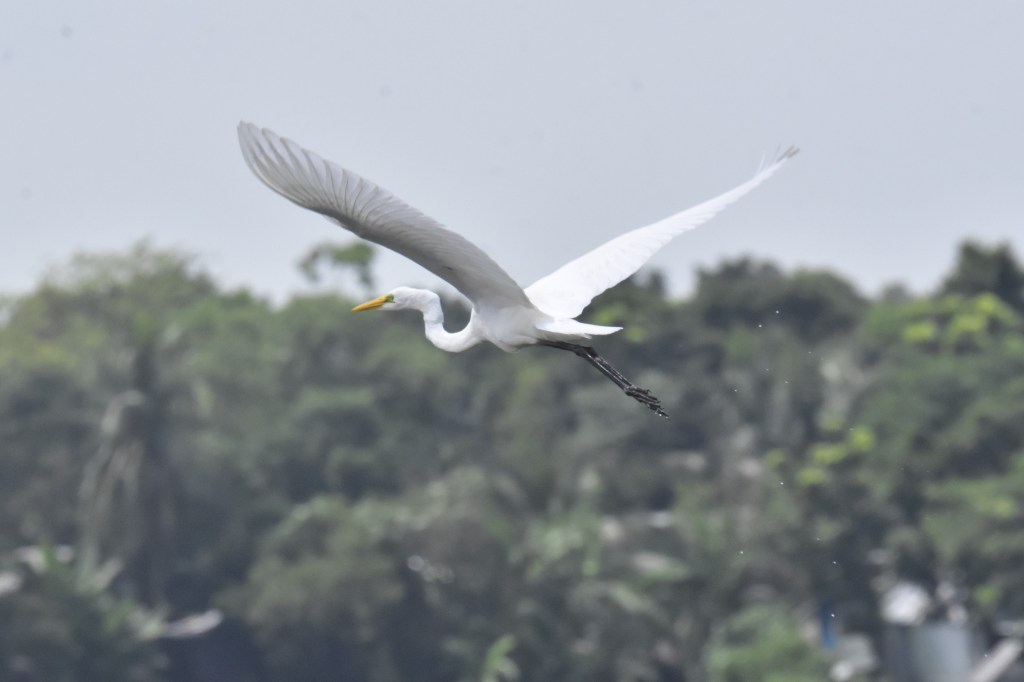
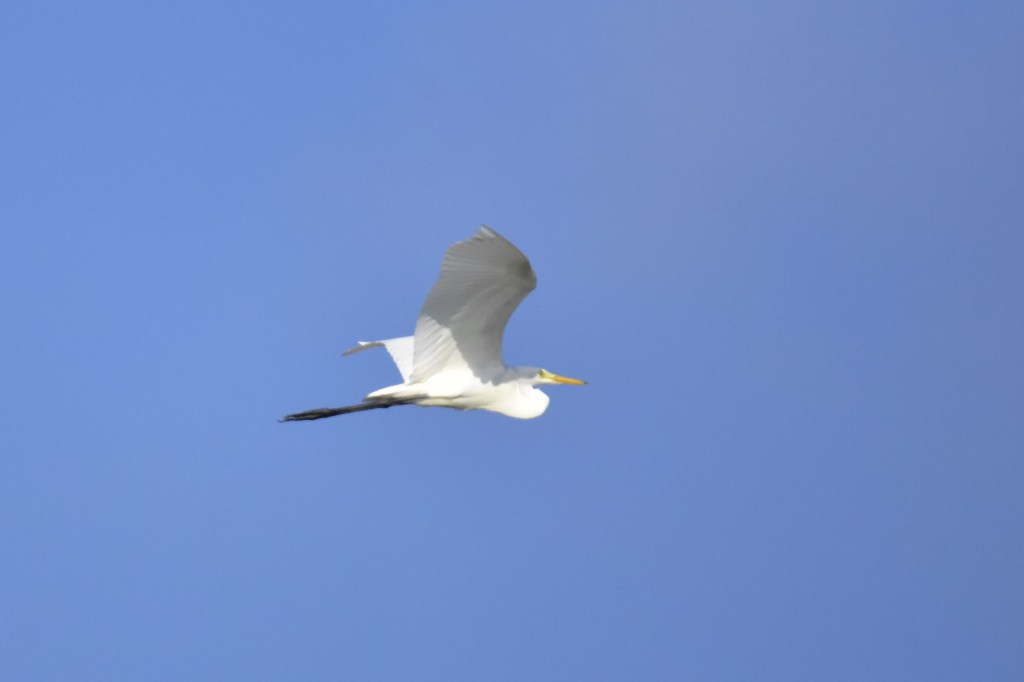
While waiting for them to arrive I enjoyed watching the Great Egrets after not seeing them for a long time. I had almost forgotten how huge they are!

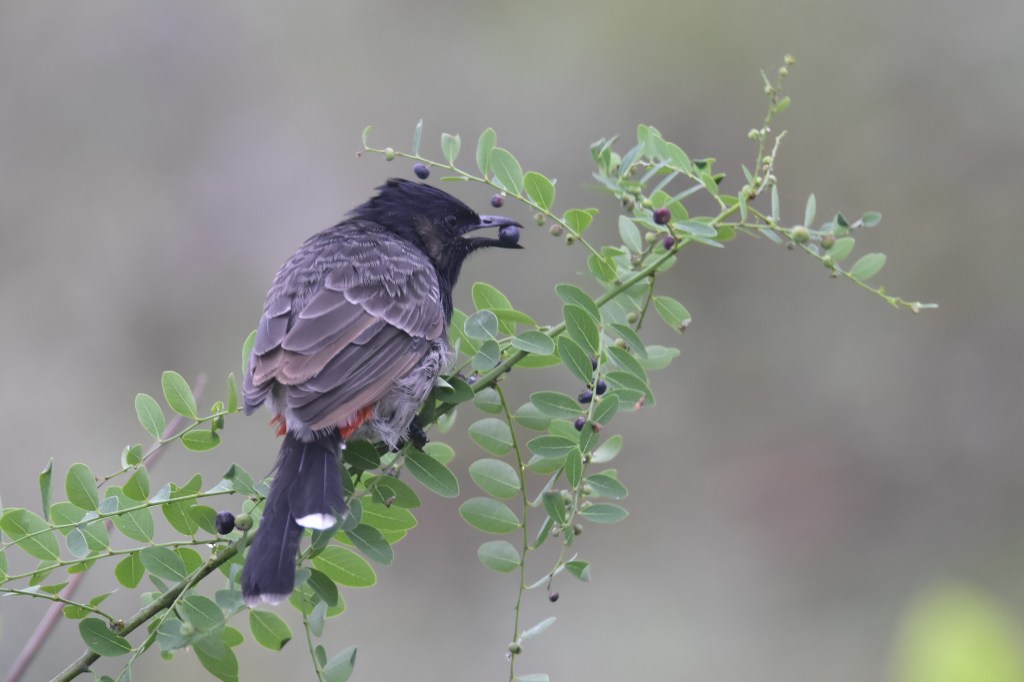
After meeting up with Sayam and Enam, we started slowly down the slightly slick trail. Not much bird movement in the first stretch, but there were lots of bulbuls as always and I got a photo of one feeding on some kind of berry for PlantBird.

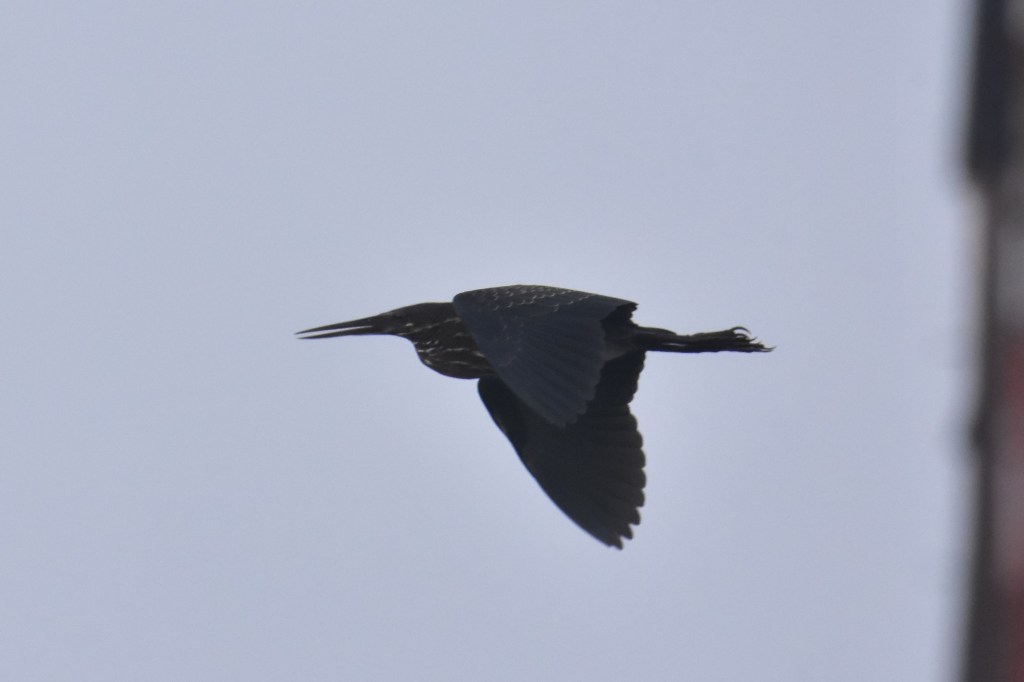
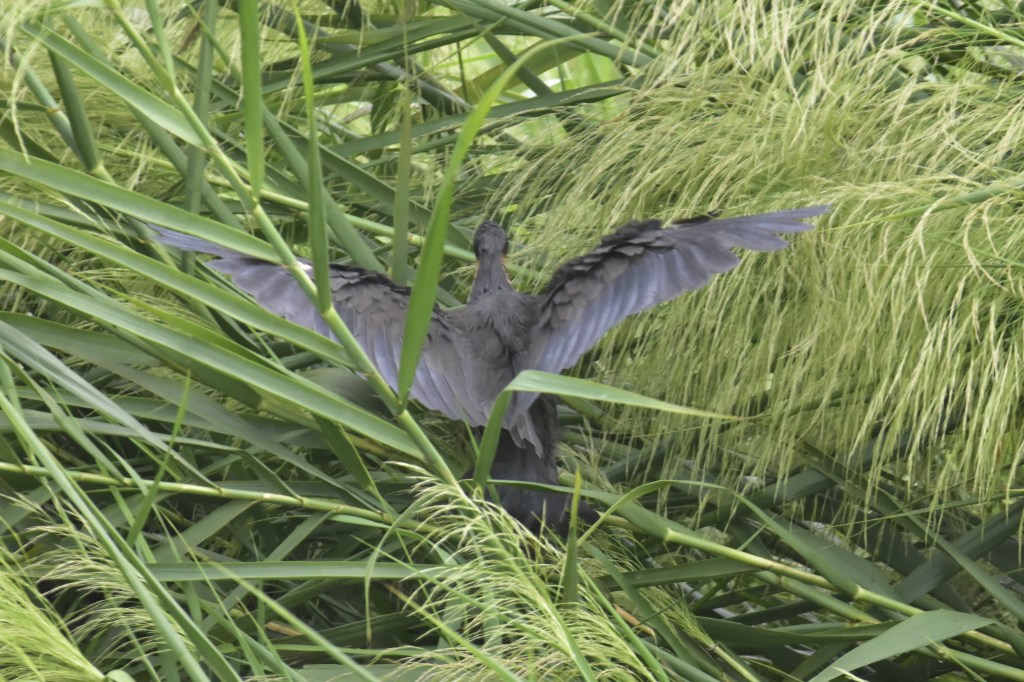
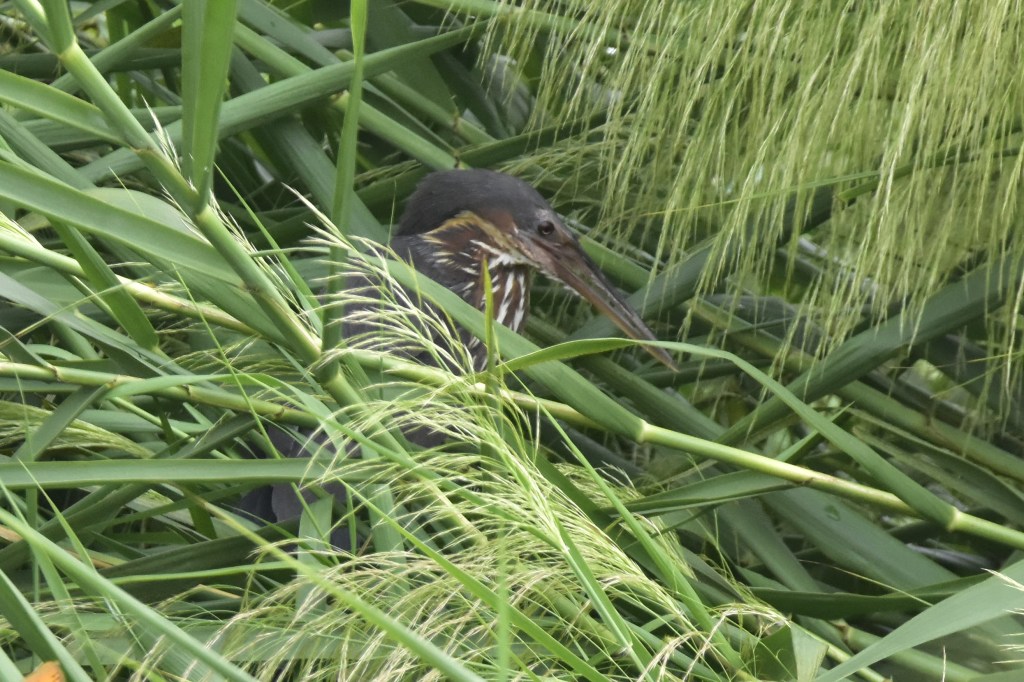
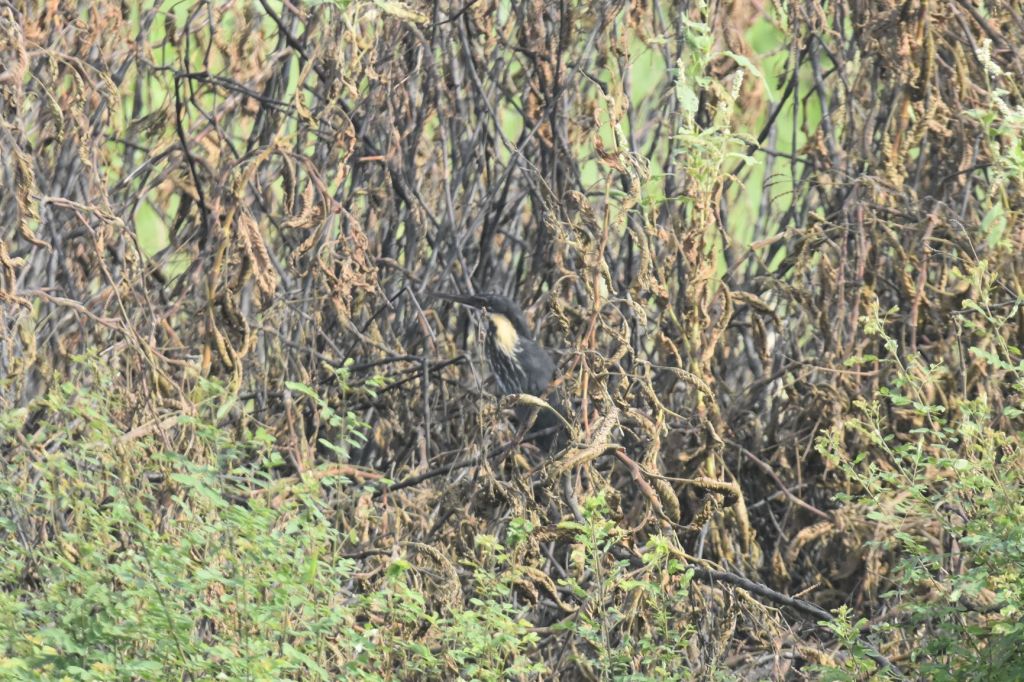
Fairly early on we accidentally flushed a young Black Bittern from some bushes beside the path. Always a good bird to see, no decent photos for me though.

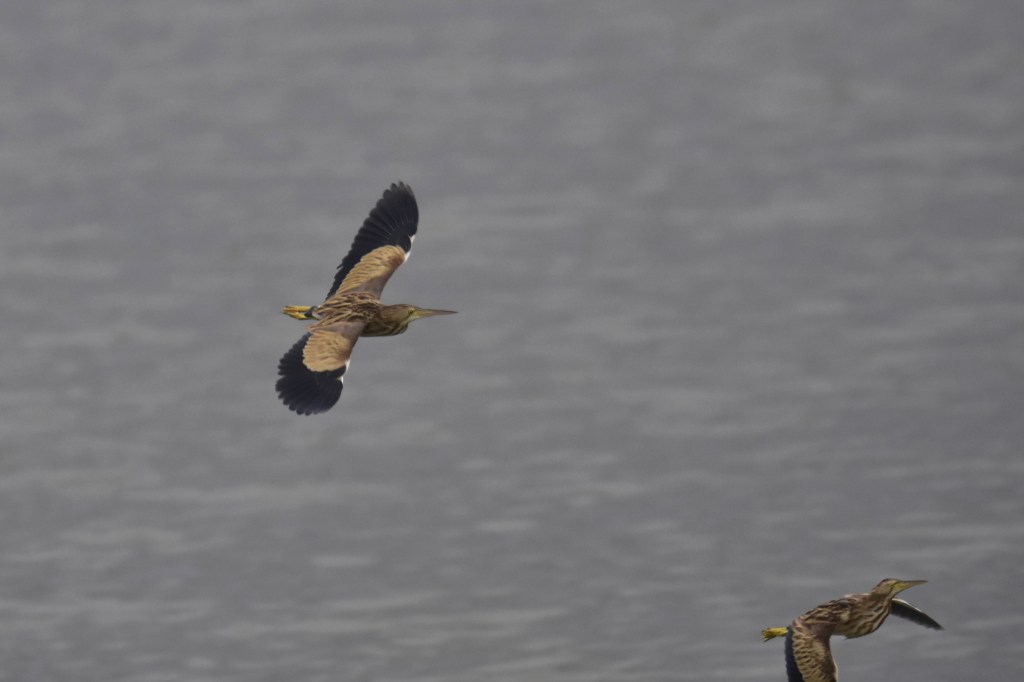
A little further along we saw our first Yellow Bitterns of the day and I was able to capture two in one frame which was cool.

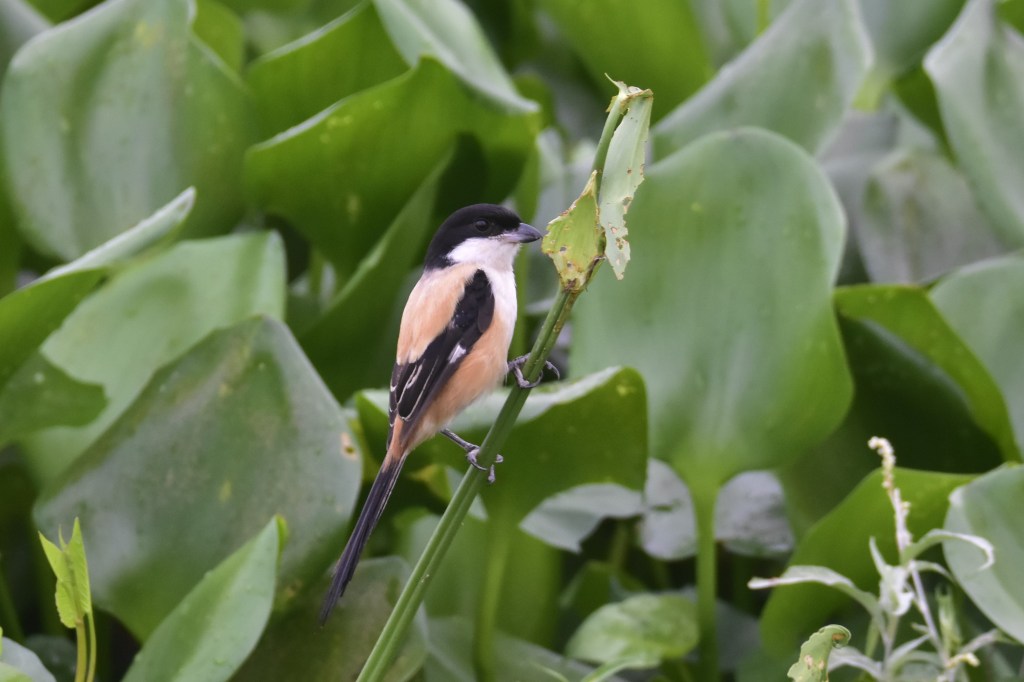
Birding wasn’t fast, but it was pleasant with a large flock of Asian Palm Swifts circling above the water, Long-tailed Shrikes, and then our first Clamorous Reed Warbler of the season. I didn’t get any photos of the Clamorous, so here’s a shrike.

Sayam snapped this shot of Enam and me birding

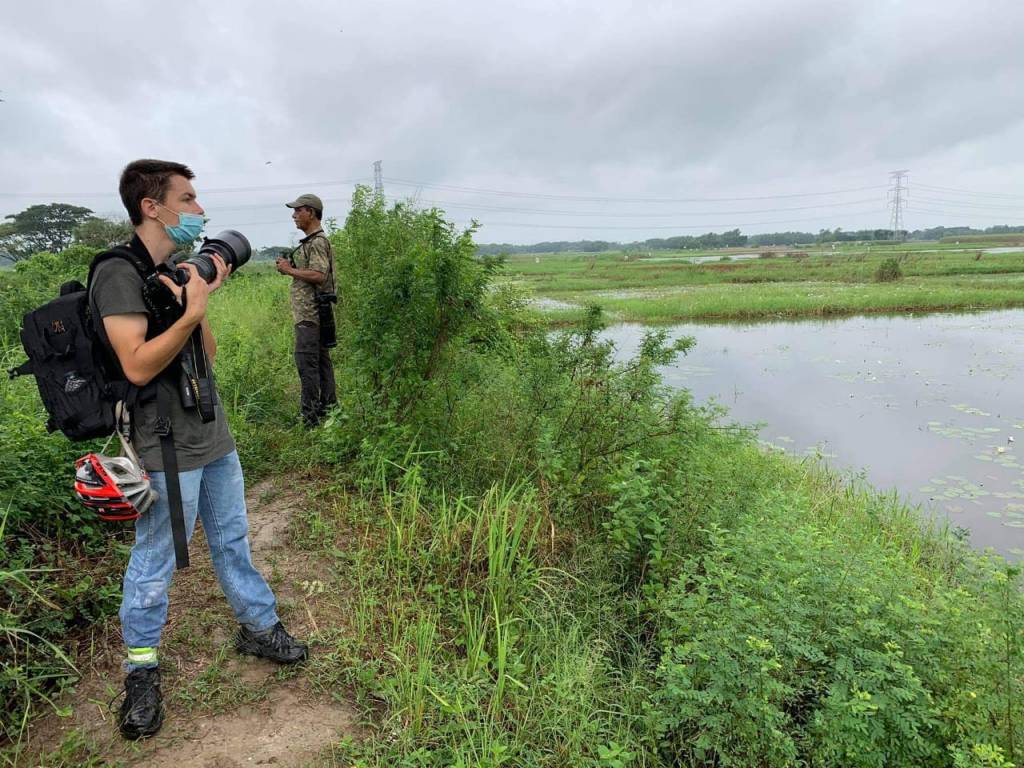
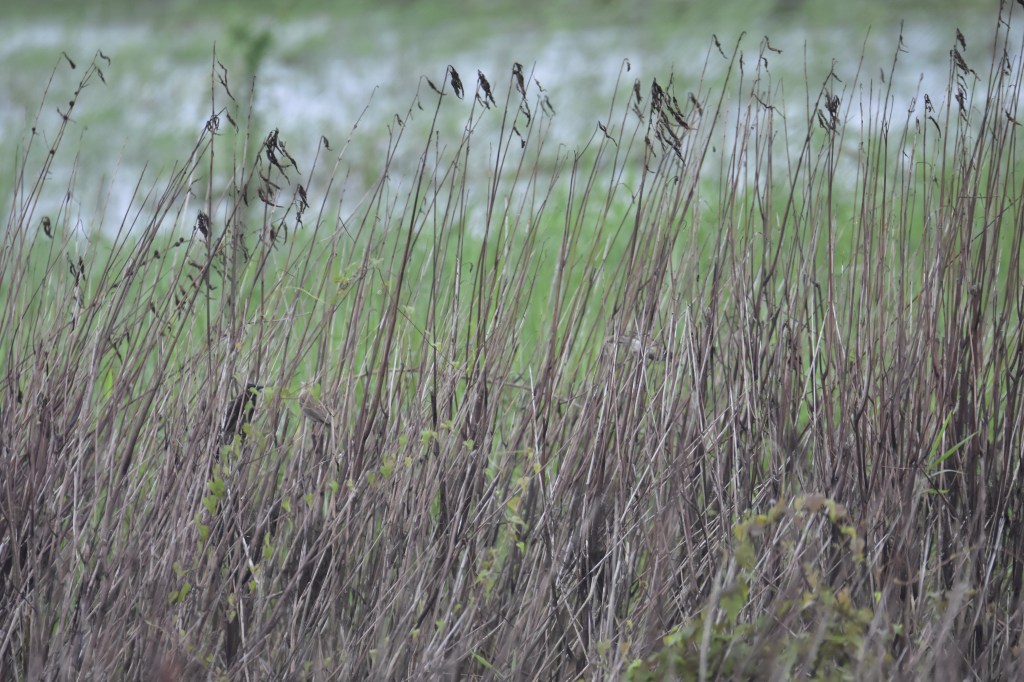
Just past where we saw the first Clamorous Reed Warbler there was a fairly large patch of reddish brown reeds and I saw several brown birds in there.

One I quickly figured out was just another Clamorous Reed Warbler, but the other bird had me puzzled. It was brown overall with a streaked back and fairly long bill. I half wondered if it could be some bunting, but pushed that out of my mind as a ridiculous guess and decided it must be something common I wasn’t quite recognizing.
Looking at the photos later I realized my first guess of bunting was correct, it turned out to be the rare Black-headed Bunting, only a female sadly since the males are much prettier. This is only around the 10th national record all since Sayam found one around 2010. And mine is the first record from around Dhaka. (note: since then there are been a few more records in Bangladesh including at least 2 around Dhaka)

This was my first lifer since the Wedge-tailed Shearwater in May which was a first national record!

As we continued along our way I saw two terns that ended up being more Whiskered, the expected species, but I keep hoping to find something else. We enjoyed watching them try to land on these bamboo poles while fighting the wind.
They weren’t very close, so my photos aren’t ideal.


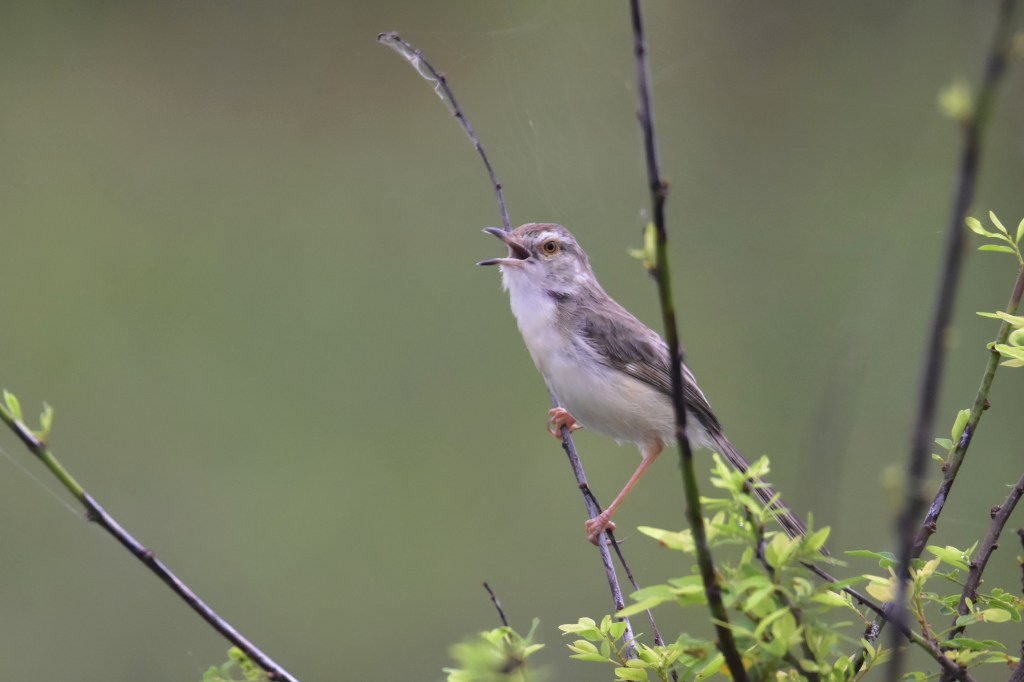
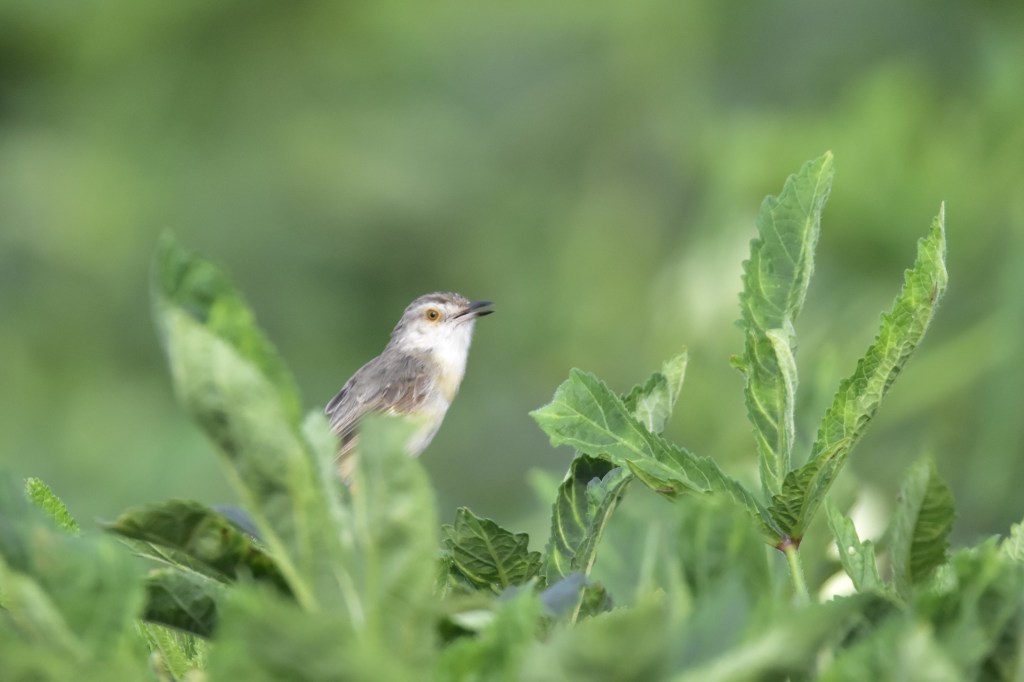
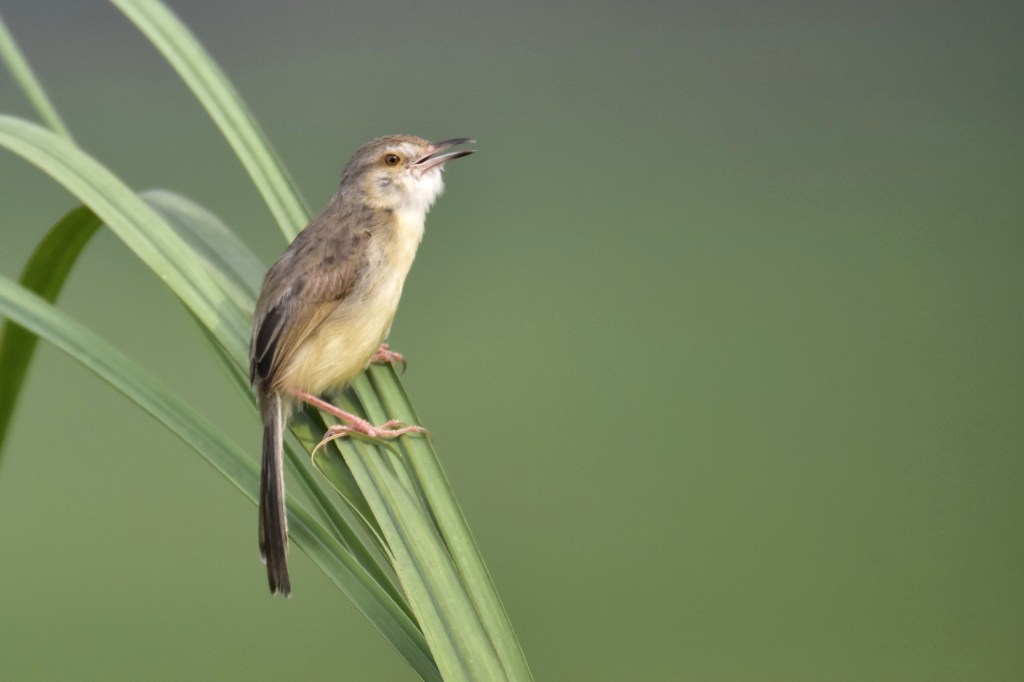
The Plain Prinias along here are always begging to be photographed, so I try to oblige.

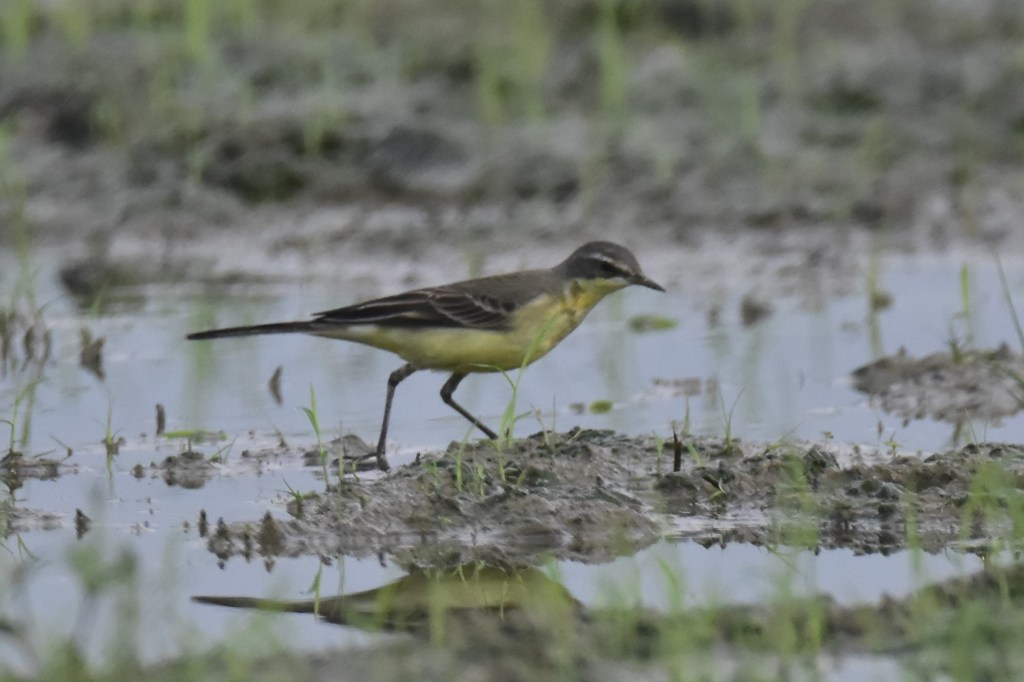
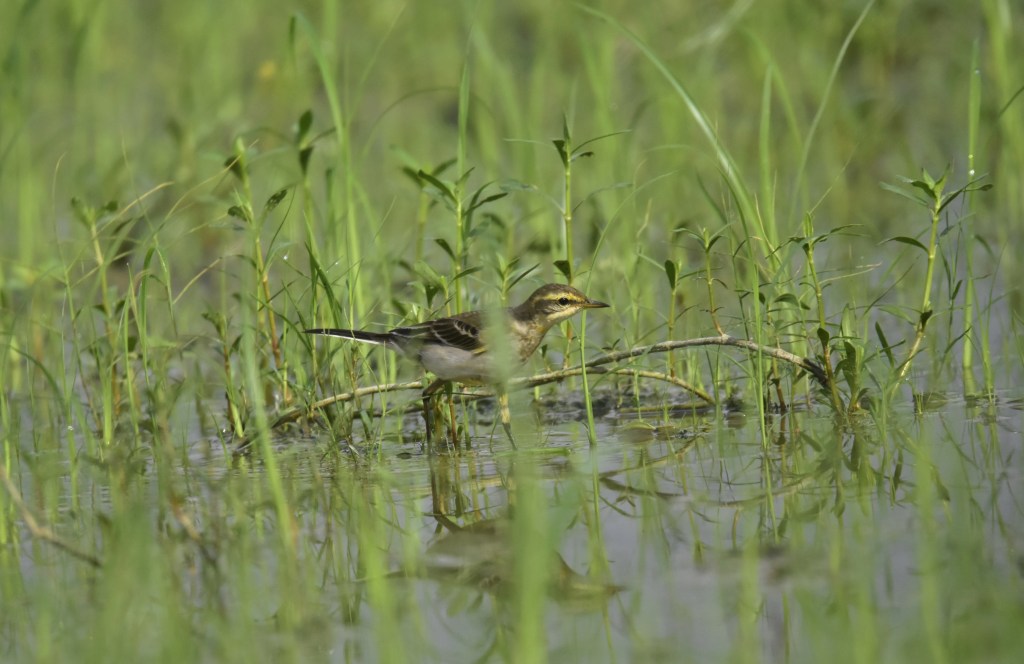
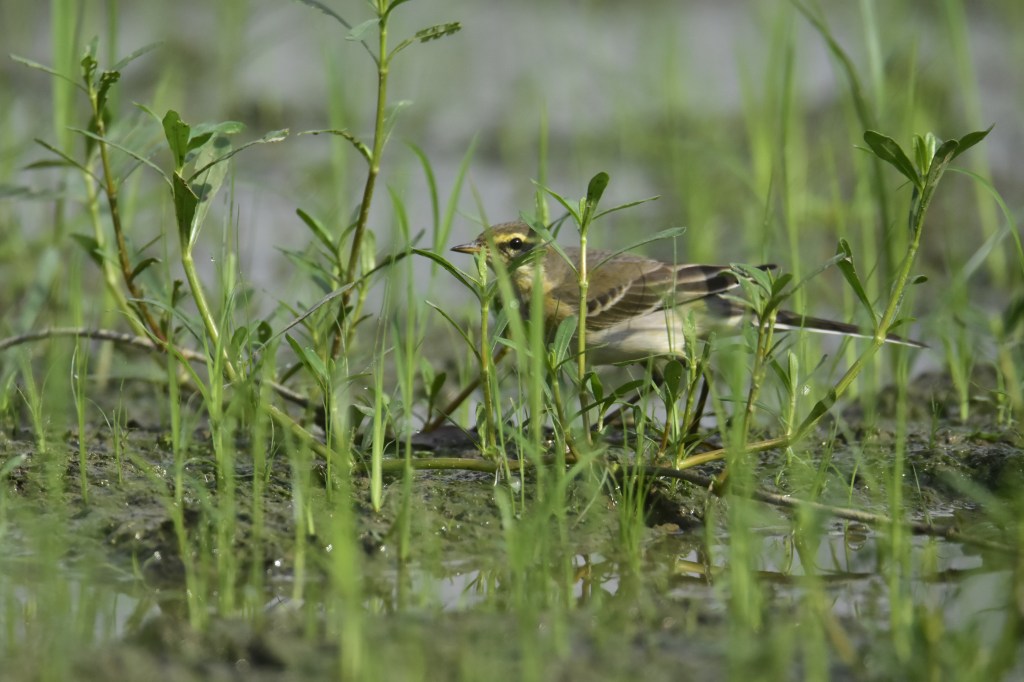
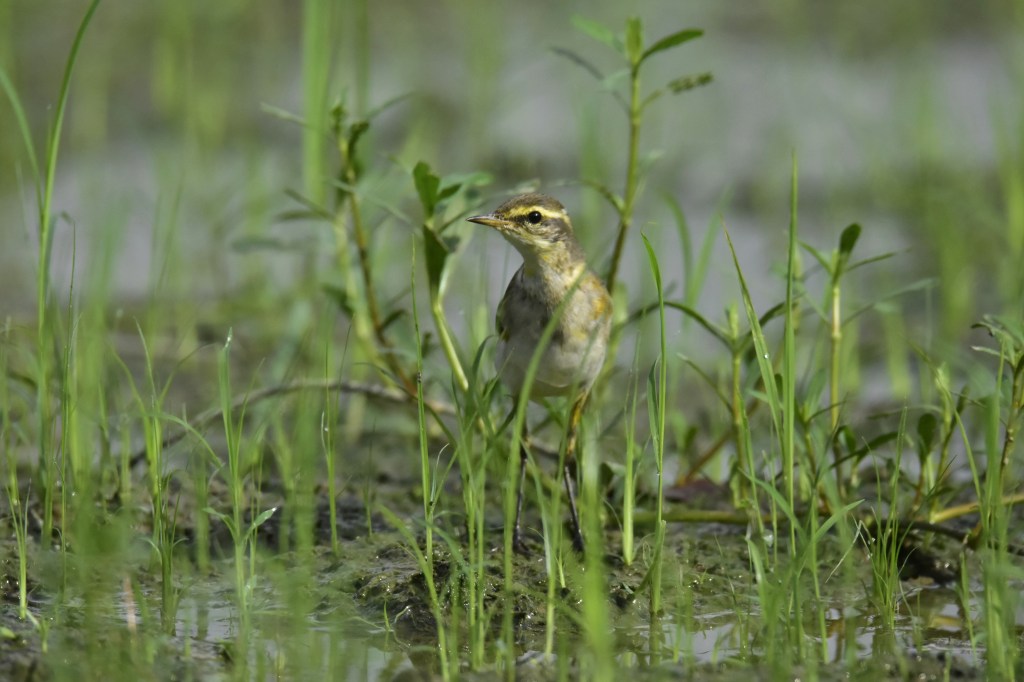
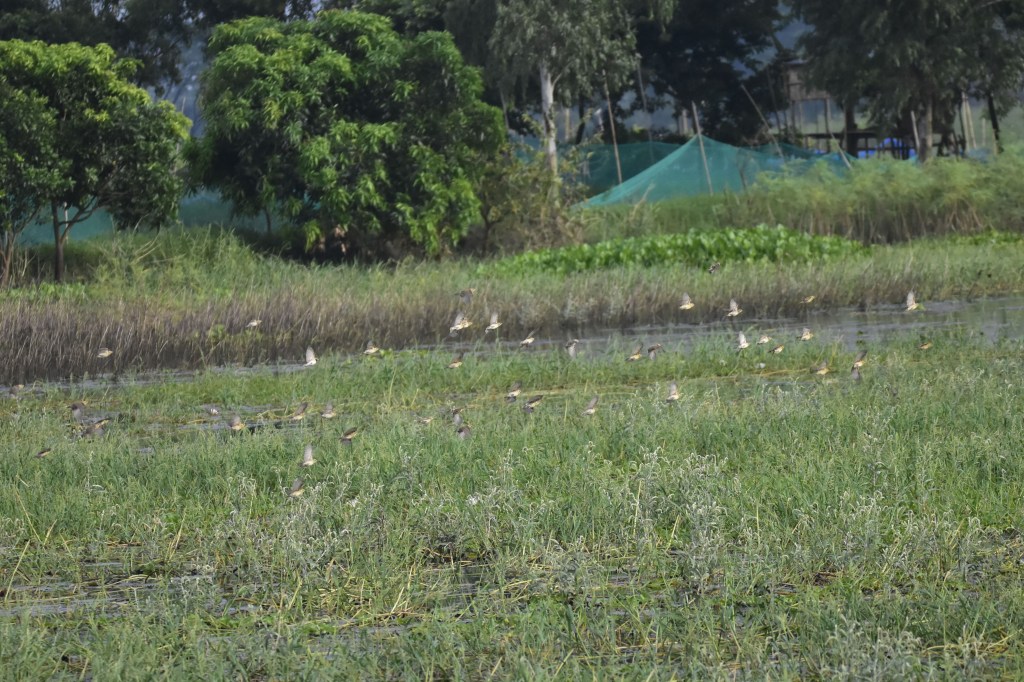
As we neared the end of our time we found a small flooded field with lots of sandpipers and wagtails. We were especially interested in the wagtails as it was recently discovered that Eastern Yellow Wagtail is actually possibly more common than Western Yellow and Sayam still needed it for his list.

So we carefully scrutinized all the wagtails, there were a few Citrine and White mixed in,

but quite a few of them were yellow wagtails, and thankfully Sayam was able to record one individuals calls and that was an Eastern!

Probable eastern, but didn’t get calls for this one
the confirmed Eastern
getting closer
checking me out…

That was a successful end to the morning, but bright and early next morning I was out there again this time with Nic and Elias.

First up was a young Black Bittern in the same area as the morning before, quite probably the same individual

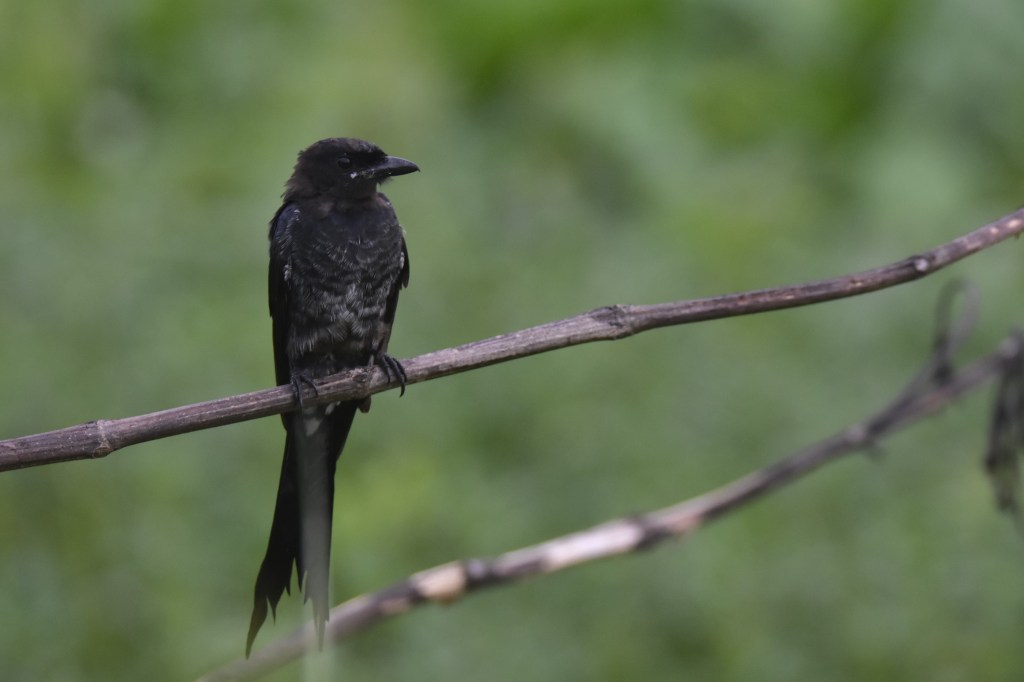
A juvenile Black Drongo let us get pretty close, but the lighting wasn’t ideal for photos.

I got a pretty nice shot of an Asian Koel in flight.

Then we took a trail to the left that I hadn’t taken before, and it proved to be a good choice with an awesome Purple Heron, my first for New Vision and decent bird around Dhaka!

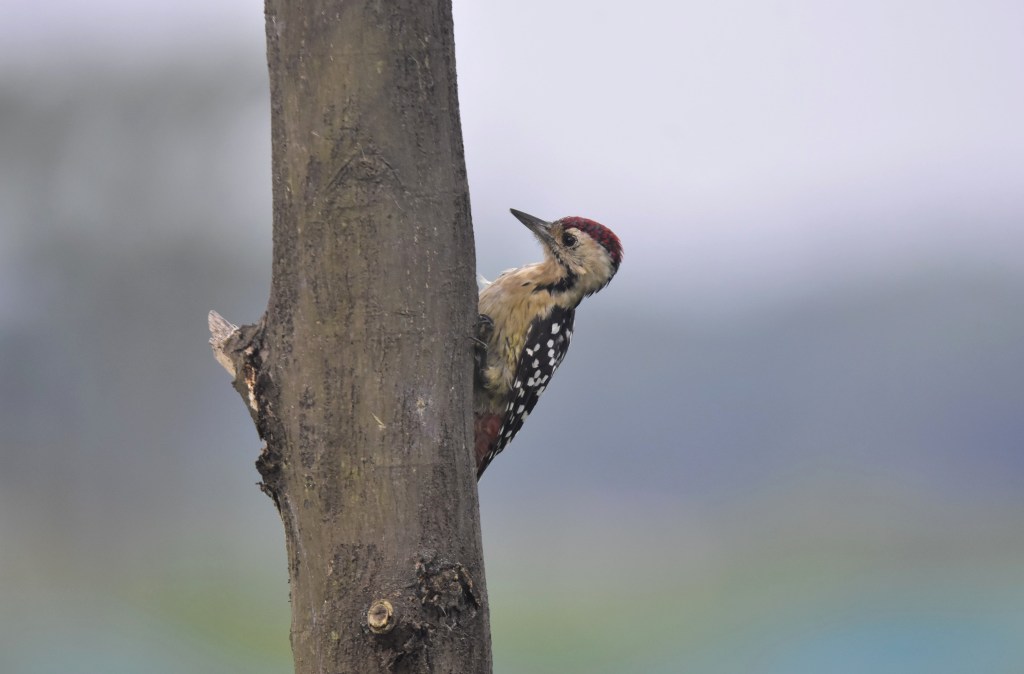
Also along that trail were a photogenic Fulvous-breasted Woodpecker, quite a few Brahminy Kites, and a briefly seen coucal which may have been Lesser which is uncommon but couldn’t get photos of it.

Fulvous-breasted Woodpecker
Brahminy Kite

As we continued the normal loop we had a bunch of the normal stuff: nothing too thrilling. In one field we came across quite a few wagtails and were able to confirm at least one Eastern. We checked the same spot where we had good photo ops for the wagtails last time, but they weren’t nearly as obliging…

Somewhere along the way we met up with my friend Zaber Ansary and Asker Ibne Feroz (who I hadn’t met before).

Zaber in front with Asker Ibne Feroz just barely visible behind him.
Great Egret taking off

As we headed out to where we had parked our bicycles we we got super lucky and had an adult Black Bittern fly past and land fairly close to use before disappearing in thick reeds, but before it disappeared I was able to get some nice shots of this elusive species!

What a fitting end to a great weekend of birding with friends!

happy birders

eBird checklists: first morning with Sayam and Enam; second morning with Nic, Elias, Zaber, and Asker Ibne Feroz.

p.s. my luck with Black Bitterns continued as the next week I got the longest views I’ve ever had of a perched Black Bittern and was even able to get video footage! Sometimes it pays to keep birding the right areas…

Rare Thrushes in Dhaka

It was a Friday afternoon in late October with beautiful clear blue skies and I was itching to get outside, so my brother and I decided to try birding Ramna park for the first time.

Ramna park is a large park in the university area of the city that I’d heard had decent birding: including Plum-headed Parakeets which are fairly rare in Dhaka.

We got there around 4 in the afternoon and I was immediately enjoying the area with its beautiful huge trees, but the next 45 minutes were frustratingly slow birding as we saw more people than birds! We had seen just over 20 species, all of which I can get from our rooftop, and I was thinking it was not worth the trouble to have come.
Feeling a bit discouraged, Nic and I plopped down on a bench beside a small canal to rest a bit and almost immediately we started seeing interesting birds. First were an Orange-headed Thrush and Rufous Woodpecker. Although these are resident species they’re not super common and always fun to see.

Then some movement caught my eye. Something was hopping around in some dead leaves across the canal a bit to our left. I thought it/they were probably just Asian Pied Starlings or Common Mynas, but something felt a bit off so I decided to check them out.

So I walked a little closer and looked through my binoculars and immediately knew this was something interesting! I briskly walked back to the bench and grabbed my camera so I could get a few shots. After snapping a few shots and looking at them I realized the birds were thrushes and not the resident species (Orange-headed)!

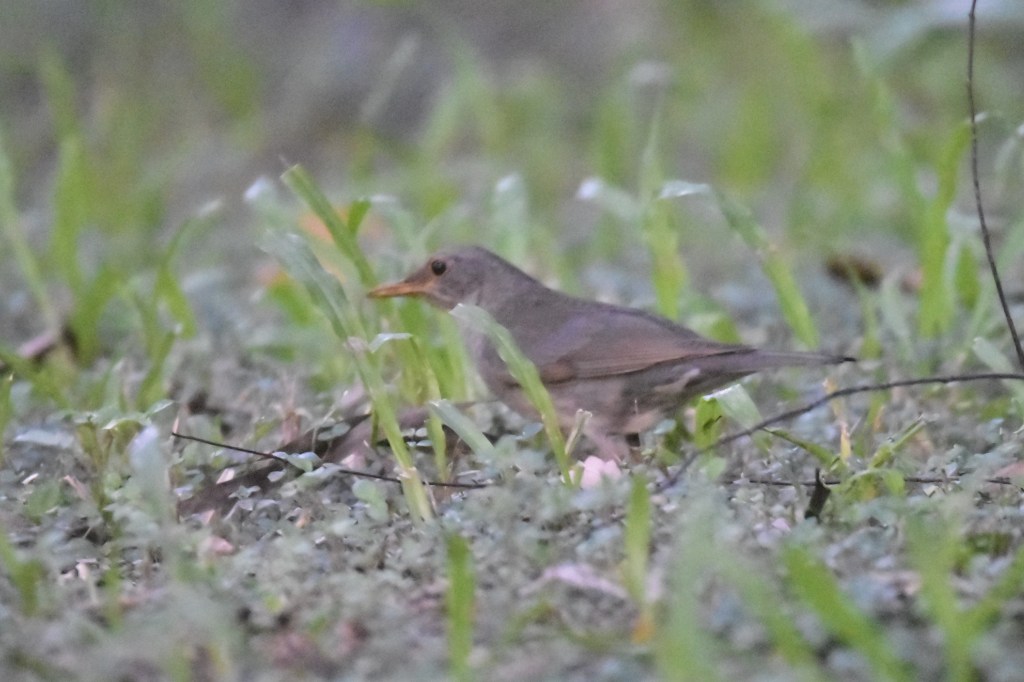
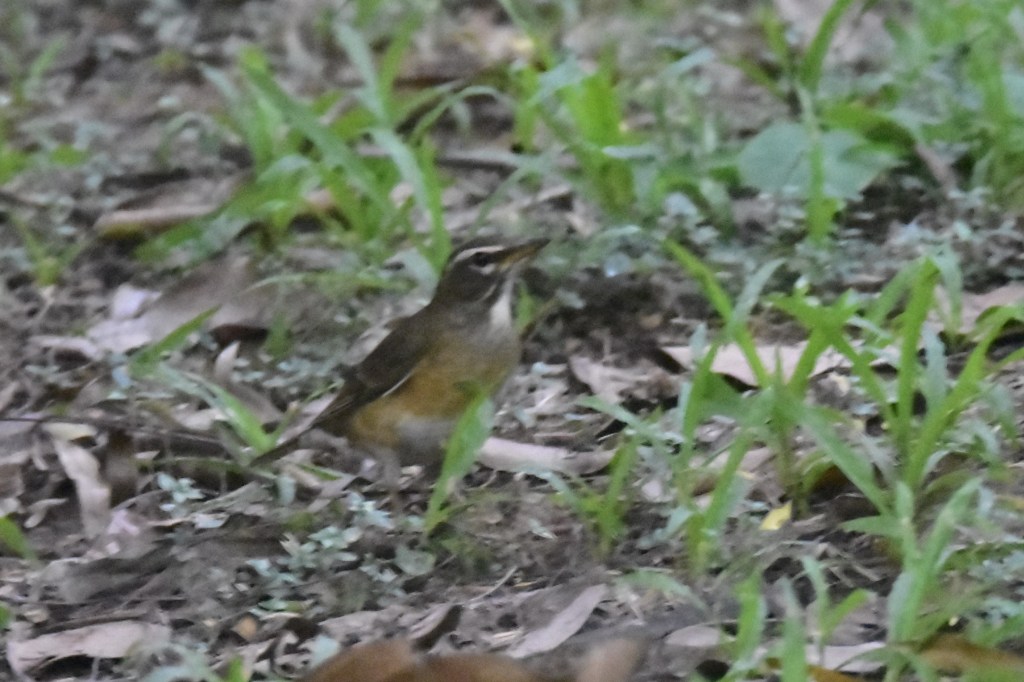
Nic and I quickly walked a ways around to the other side of the canal to get a bit closer and I soon figured out that there were two different species of thrush! A rare Tickell’s Thrush and a much rarer Eyebrowed Thrush!

Tickell’s Thrush
Eyebrowed Thrush

We enjoyed watching these two for a bit over half an hour as they foraged in the leaf litter before dusk. Several times I nearly got a decent photo of both in focus in one frame but every time one or the other would fly off so I only got a few bad photos of both in one frame…

Tickell’s Thrush in the foreground and the orange blob in the back is the Eyebrowed

As it neared dark we headed out and started back home on our cycles with my phone merrily buzzing away with notifications as messages came in from the various people I had sent back of cam shots to 😂
eBird checklist: https://ebird.org/checklist/S75624505

The next morning I went back and met up with Sayam Chowdhury, Sakib Ahmed, Zaber Ansary, and Elias Thomas. We were hoping to find both thrushes but only the Tickell’s was still around but that was a lifer for everyone besides me so still a success! That afternoon Nic and I went yet again and met up with Zaber again, but also Ikbal Babu, Syed Shahnoor Inam, Mahabur Rahman Munna, Shafaet Alam Abir, and Shahad Ahmad Raju (hopefully I’m not forgetting anyone 😬). We got the Tickell’s thrush again and it continued for over a week, allowing many people to enjoy seeing it, but the Eyebrowed Thrush was a one day wonder that only Nic and I were lucky enough to see.

One last photo of the Tickell’s

Striated Babblers, Eurasian Cuckoo, Pheasant-tailed Jacana, and more!

Another week, another visit to New Vision!
New Vision really is one of my favorite birding spots both because of its relative proximity to our house and because the birding is really good! This weekend visit was no different in birding quality!

First up were some Chestnut-tailed Starlings, although they’re common it was fun to be able to document them feeding on Trema Orientalis. At Sayam Chowdhury’s request Zaber Ansary and I have been working on a plant bird database of birds feeding on plants. I say Zaber and I somewhat tongue in cheek since Zaber vai has really been doing over 90% of the work and deserves all the credit! But anyway, so far we have over 500 entries from local birders including 50+ plant species and 100+ bird species!

Chestnut-tailed Starling feeding on Trema Orientalis

Just up the path a little bit we saw a group of 5 Striated Babblers! This was only my second hotspot record and easily my best views ever of this species. It was also a new bird for the Yard Squad challenge I mentioned in my last post.

As we watched the babblers we had two fun sightings, first a Pied Cuckoo (new yard squad bird) flying by, just my second sighting here then a Whiskered Tern flew through going south west just like last weekend! I’m keeping my eyes out for what would be quite rare White-winged Tern, but this was another Whiskered, still fun to see!

The birds were really active in this first little stretch of trail and I had another fun sighting, a nice Red-rumped Swallow (new Yard Squad bird) in with several Barn Swallows. At the time it caught my eye as being larger and different from the barn swallows and looking at the photos afterward proved it to be Red-rumped based on how much bulkier it is than Barn Swallows and those diagnostic black undertail coverts. They’re fairly regular winter visitors here, but this was the first one I’d seen here since February or March.

trashy shot of the Red-rumped Swallow

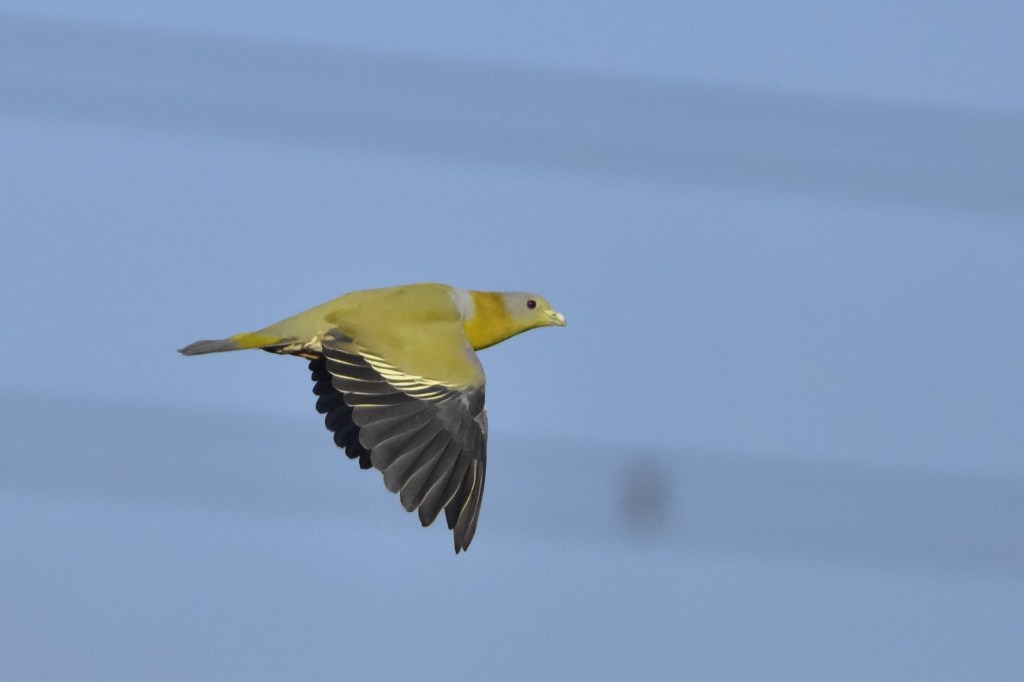
A Yellow-footed Green-pigeon also made its appearance

I glanced at the time and was shocked to see we had already spent 30 minutes in just the first 200 yards of the trail! Birding was good in this normally quiet part of New Vision!

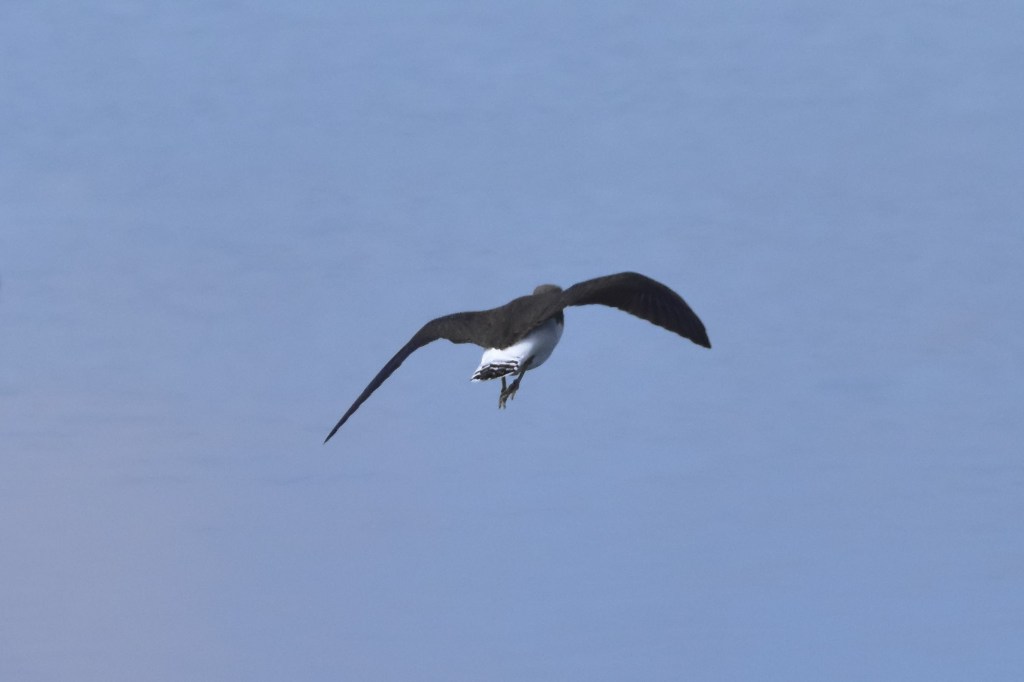
A little further along I caught a glimpse of some shorebird flying high then diving straight down. I snapped a few shots and it later proved to be a Pin-tailed Snipe, another first of of the winter season for me and a new Yard Squad bird!

The Citrine Wagtails were fairly common again, but just flying over not landing, presumably because almost everything is still flooded.

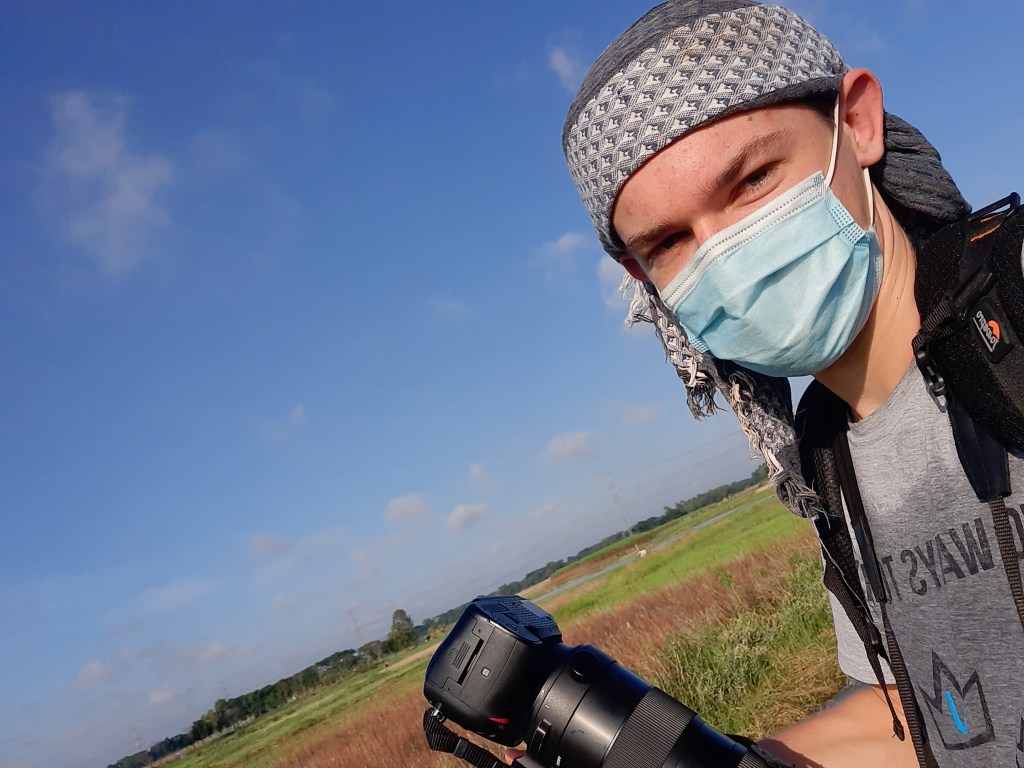
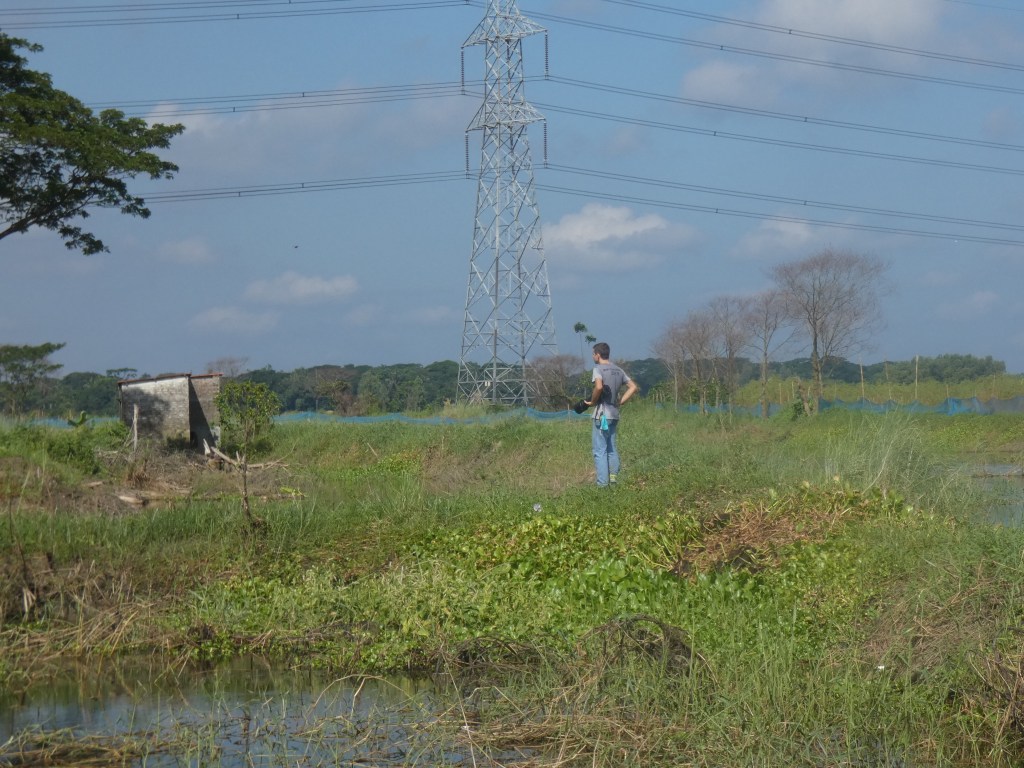
It was super hot this morning with really bright sunshine, which made for beautiful landscape, but it was so hot I had tied a gamcha around my head to keep the sweat from draining into my eyes!

An Intermediate Egret was a nice addition to our list and another new bird for the Yard Squad challenge. A distant Black-winged Kite was fun, but couldn’t get any decent photos.

Suddenly a bird caught my and Nic’s eyes as it slowly flew south across the big pond, the colors reminded us of a Pied Kingfisher as it was strikingly black and white, but it clearly wasn’t a Kingfisher based on size and flight style. As I looked through my camera’s viewfinder I realized it was a Pheasant-tailed Jacana, only my second hotspot record! It reached the southern-most part of the swampy pond area and landed, but we couldn’t re-find it when we went that way a little later.

Here’s a distant low quality flight shot:

Yellow Bitterns can be extremely hard to see unless you see them land as we did this one.

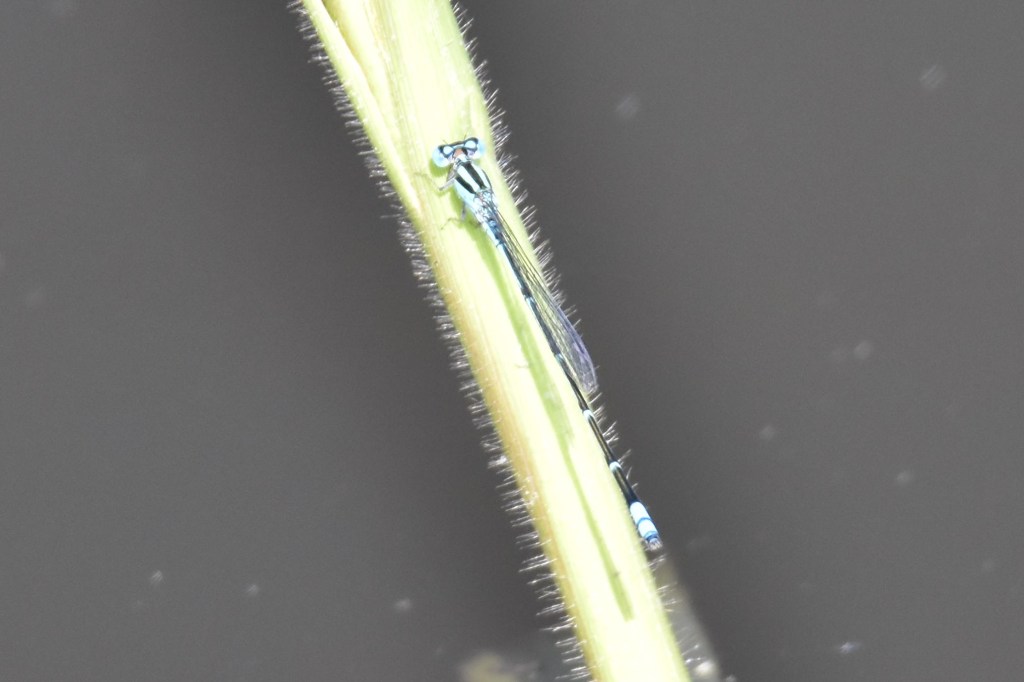
Along the east side of the trail now I found my first new dragonfly of the day, a Dancing Dropwing (Trithemis pallidinervis).

Near the end of the trail we checked around to see if we could see the Pheasant-tailed Jacana, but no luck, it was probably hiding somewhere in all the reeds and grasses. So we turned back and started making our way back along the trail to where we had entered. A Plain Prinia posed nicely for me and I was finally able to get a nice photo after not having very good photo opportunities much of the day!

I had seen a few of the winter migrants Grey-headed Lapwings from our house earlier in the week, and now we saw a few more here.

We also saw a Plaintive Cuckoo, only my second sighting of the year though I’ve heard them several times.

Oriental Blue Dasher

As we were nearing the end of the trail I decided we would just sit under the one large tree for some time and wait for the birds to come to us, we were at 49 species and I wanted to cross 50.

Our view
Nic and I relaxing in the shade

Sure, enough within the first 10 minutes we saw a female Black-headed Cuckooshrike chasing a Long-tailed Shrike then landing on a dead tree across the pond from us. This was my first hotspot and 5MR (5 mile radius) record for me! #150 ever for my 5MR!

Then in the next few minutes we saw two Green Sandpipers, another first of the winter season!

classic view of a Green Sandpiper flying away.

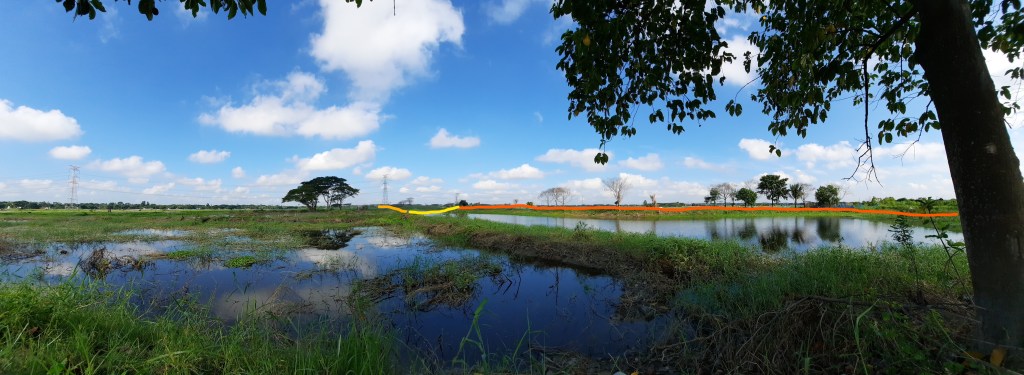
After resting for 20 minutes I hopped across a small muddy patch to a small embankment that I was hoping would lead me out to the large tree visible in the panoramic photo I shared a few photos up. Unfortunately it stopped about halfway there and I decided to not try to wade through water that could’ve easily been above my waist. I did see a new damselfly species for me there, a Blue Riverdamsel!

photo’s a little overexposed, sorry…
We’re all so small in the grand scheme of things, yet God loves and cares for each one of us, isn’t that incredible!

After I came back we decided to leave, but as we started back I saw something in a tree, and looking through my binos I realized it was some cuckoo, quite possibly a Common (Eurasian) Cuckoo which would be a lifer for Nic! But I had already put my camera away and by the time I got Nic’s camera the cuckoo flew off the big tree that I couldn’t reach when I had tried to earlier. Of course since it could be a lifer for Nic we HAD to go back and look for it. We walked out to where I had reached last time, and although we could just so barely see a bit of it’s back, it was nothing close to a good enough view to completely confirm it wasn’t a slightly large Indian Cuckoo.

After waiting out in the blazing sun for at least 5 miserable minutes we went back to our tree and waited there hoping we’d see it move, but no luck. So I decided I would work my way around and try to get close enough to get a better view.

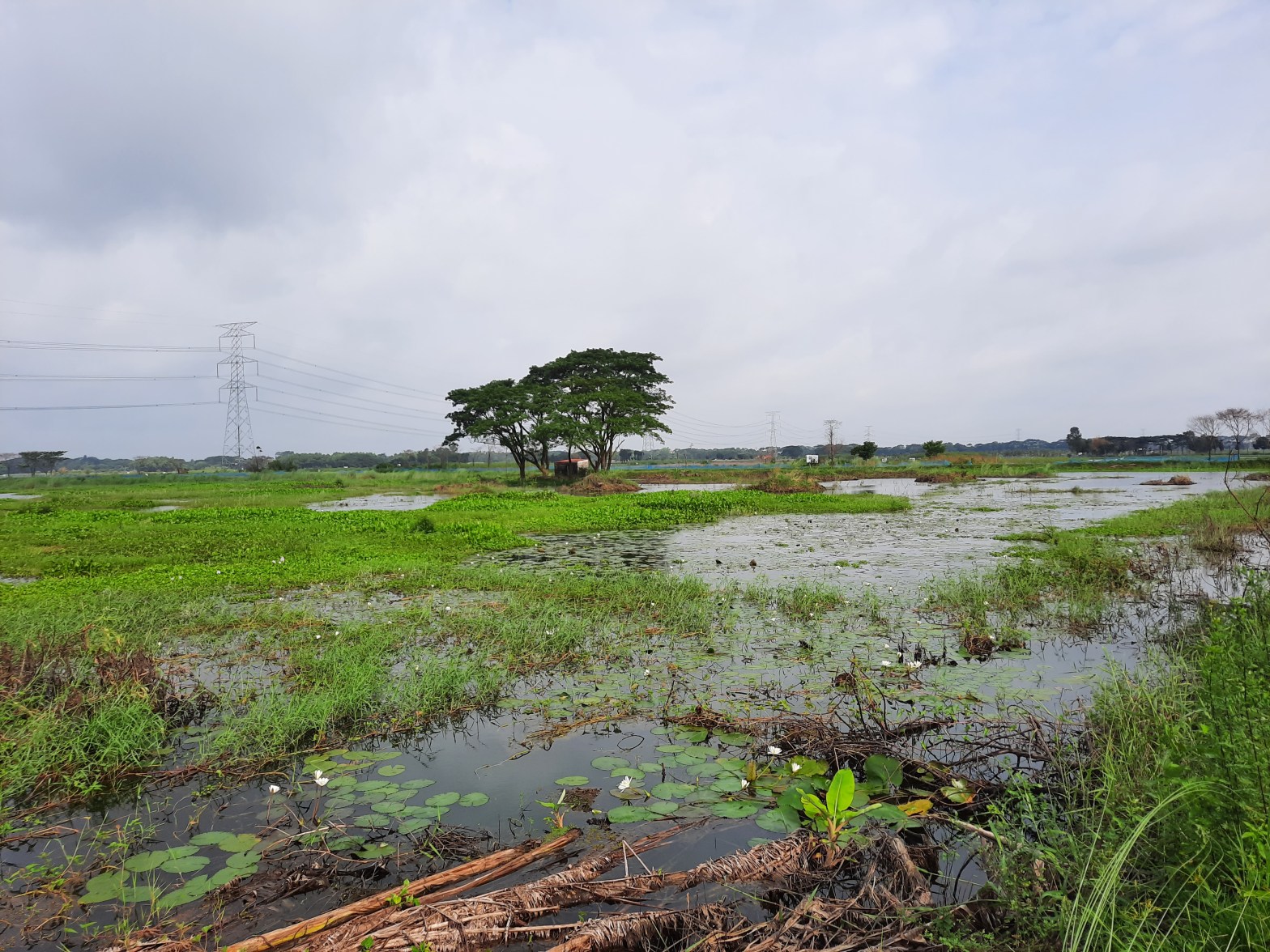
In the picture below you can see my route, I went along the dike marked in orange, then there was a strip of fairly firm mud leading from that dike to the patch of land that held the tree the cuckoo was in. So I took off my shoes, walked along that strip of mud, then walked along a branch that was about 3 feet under water but kept me from going in another foot or two deeper, then finally got to the other dike. I grabbed a stick and whacked the plants in front of me to scare away any snakes that could’ve been in the general vicinity and slowly worked my way towards the tree!

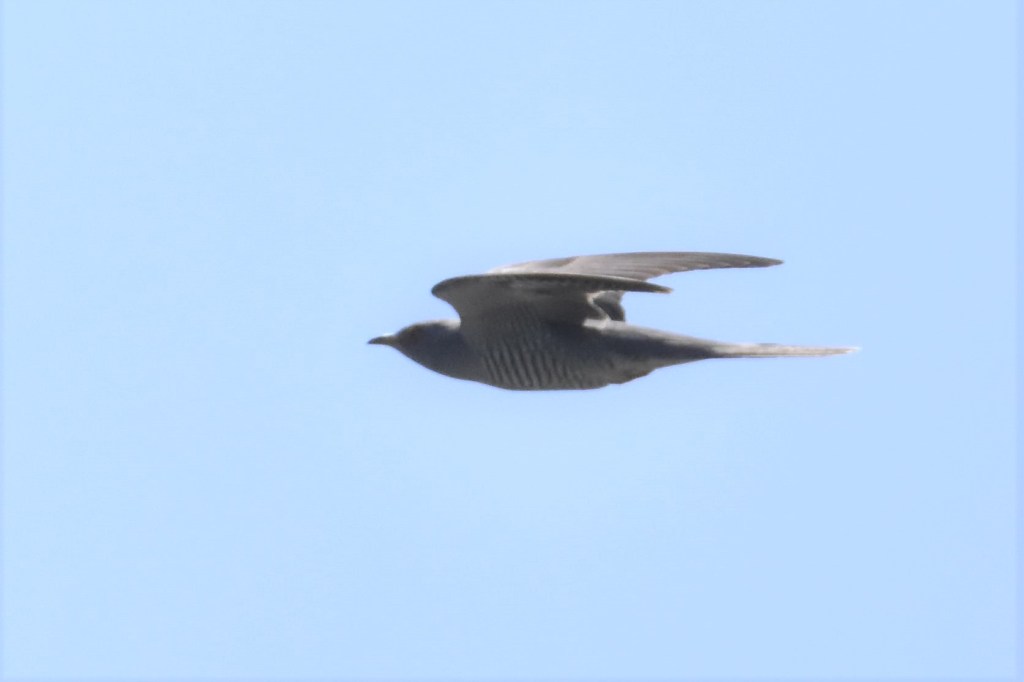
Suddenly I saw the cuckoo fly out and I was able to snap a few quick flight shots which proved it to be a Common Cuckoo! A lifer for Nic, plus being a new 5MR bird for me, #151!

Now we were finally able to go back knowing we hadn’t left any stones unturned! We had managed to see 59 species in one morning, which is awesome for this time of year! Once all the migrants are back we’ll be able to see 60+ species in a morning, but this early in migration 59 species is incredible. Plus those 59 species included 12 new species for our yard squad team taking us back into first place momentarily!

It was another awesome day out birding, and I can’t wait to get out again!

eBird checklist: https://ebird.org/checklist/S73159097

If you enjoyed this post, please subscribe for more. As always, feel free to comment!
Yard Squad Challenge 2.0

If you’ve read some of my older posts from this spring you may remember a Yard Squad challenge I was part of back then. It consisted of several teams of 9 birders with one global player each and the rest of the participants from the ABA area (US and Canada). This time around is quite similar, except instead of being limited to your home you’re allowed to bird a in a circle with a radius of up to 5 miles. The challenge started this last Monday and consists of 3 three week sections with winners for each 3 week section and the whole period. There is also an iNat challenge (for all wildlife except birds) running alongside this which I enjoy!

After several weeks of being stuck at home I was finally able to get out birding yesterday morning at New Vision. Our team, the Barely Wandering Albatrosses, was sitting in 4th out of 7 teams before I went, and I was hoping to tick off many of the common species for our list. Plus it’s getting late enough in the year that I hoped for one or two winter migrants. It’s been very flooded recently and I was slightly worried the paths would be flooded as well, but we saw that the main path was still at least a foot clear of the water unlike most of the smaller paths.

Because of the iNat challenge I was paying closer attention to the plants and insects.

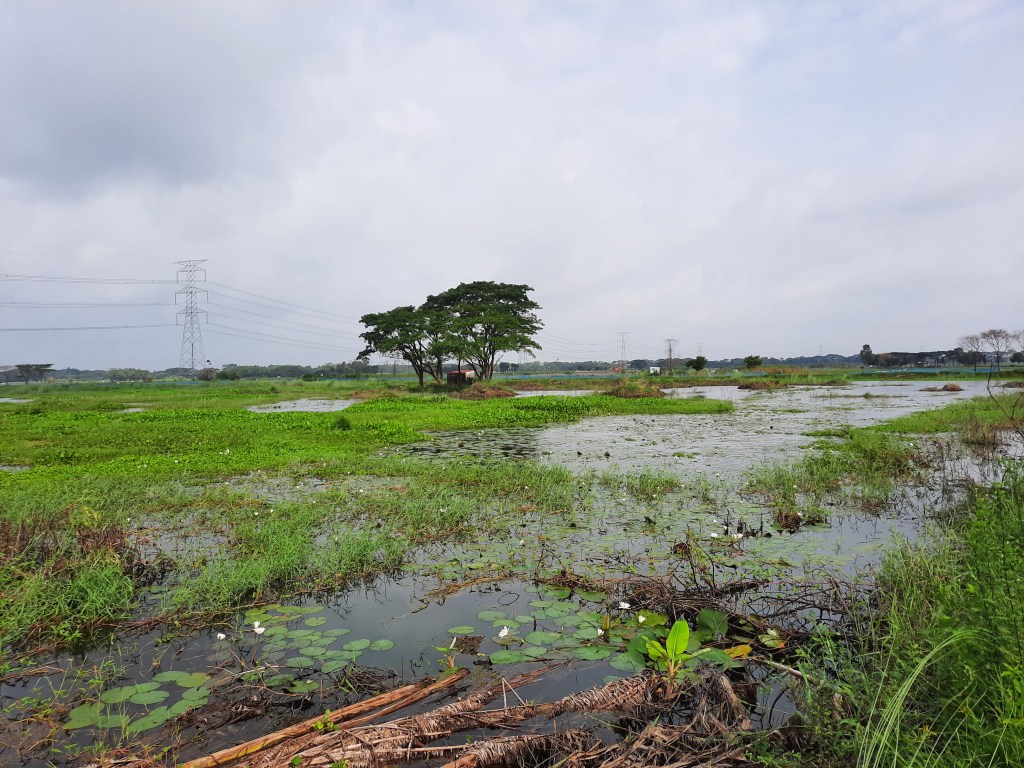
Water lily. Unsure on exact species

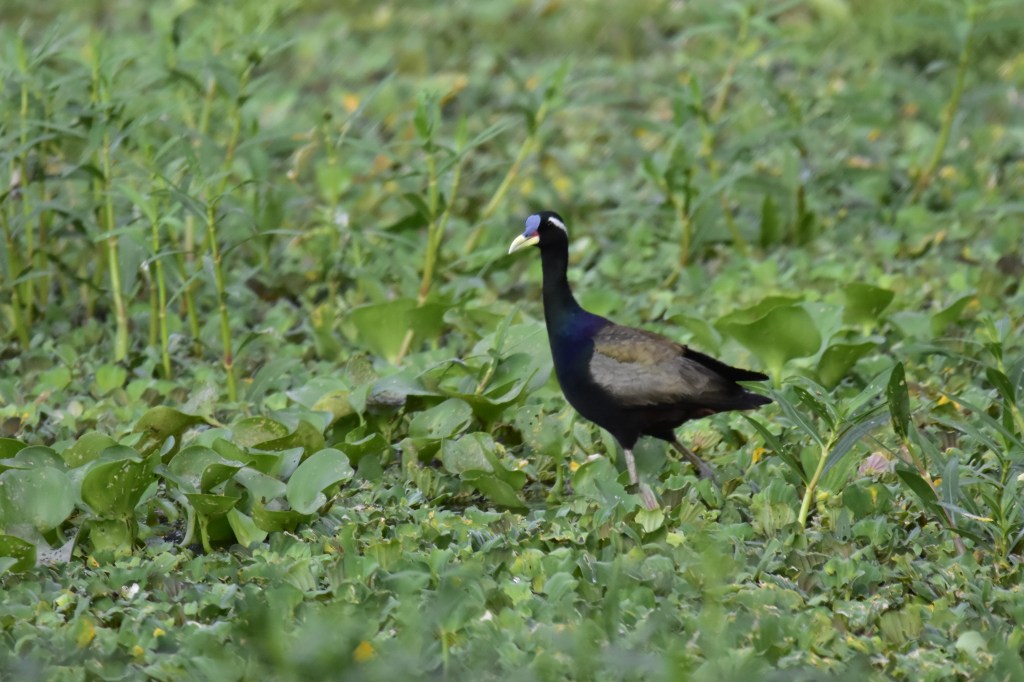
In the flooded vegetation on the right side of the path I saw a brown water bird fly but couldn’t focus on it then immediately, afterward saw an adult Bronze-winged Jacana so the other was probably just a juv. That area really looks like it could have interesting waterbirds, but it’s impossible to see much in there…

Birding was ok, but felt a little slow probably because of the flooding. A juvenile Greater Coucal posed nicely for a little, but flew before I could get any good shots.

Greater Coucal juvenile

A Common Baron was my first sighting of this species at New Vision.


Common Baron

And common but beautiful, a female Scarlet Skimmer

We heard some Citrine Wagtails calling and flying overhead, my first of the winter migrants! I then caught a glimpse of some shorebirds in flight and was happy to see they were Common Sandpipers, another winter visitor!

Here you can see just how flooded it is. The line of green in the middle of the water going from left to right is a path we normally take, but is completely submerged right now!

There were a few House Crows around the one little tin house which is unusual for out here. I tried to get a few photos even though they’re super common birds, but the photos didn’t turn out well because they were backlit.

We added Yellow-footed Green Pigeon, Cattle Egret, and Striated Heron to our list before something different caught my eye! I momentarily thought it might be a Pratincole, but it’s flight style was much stronger and I realized it was a Whiskered Tern, only my second record from this hotspot!
As you can see it was quite far away, and cruising the edge of the water along the tree line it continued on its way south west. It’ll be interesting to see over the next few weeks if the water brings more birds like this through.

A less than stellar shot of the tern.

The farmers have a row of okra along the north end of the main trail. During the winter this will have multiple species of warblers including Booted, but for now it’s only got Plain Prinias.

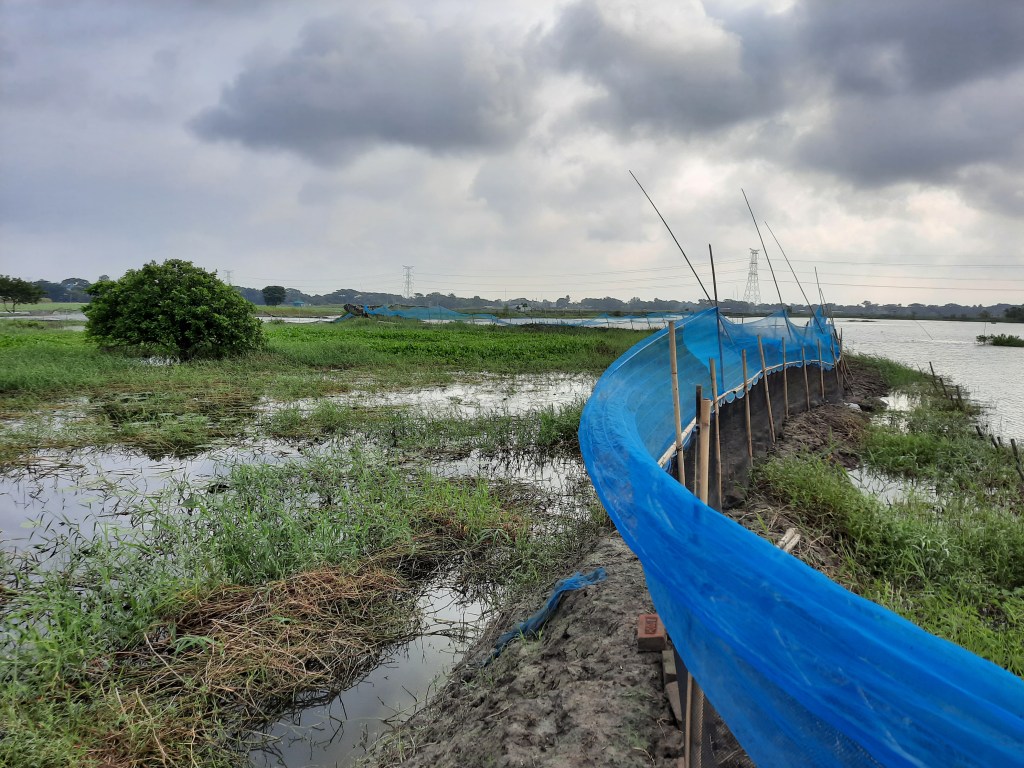
There was one of the smaller trails that wasn’t flooded though. It leads farther north and is where I found Streak-throated Swallows last year. It was a bit of a challenge to make our way along it though, because of the nets put right in the middle of it.

Wasn’t too much to see along here for birds: only a large flock of 40+ Baya Weavers.

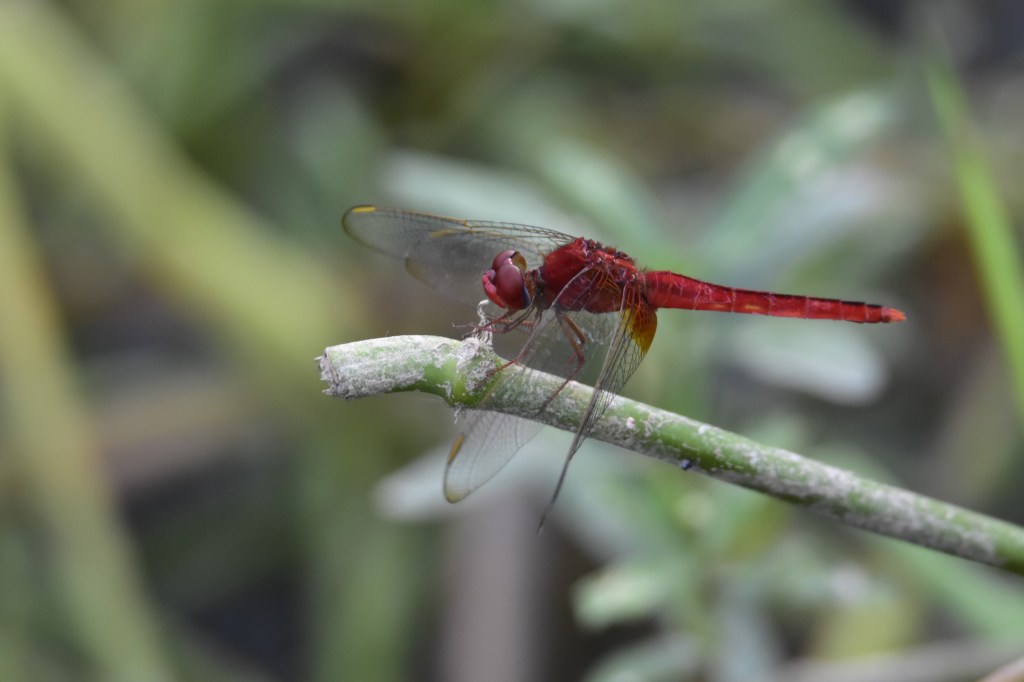
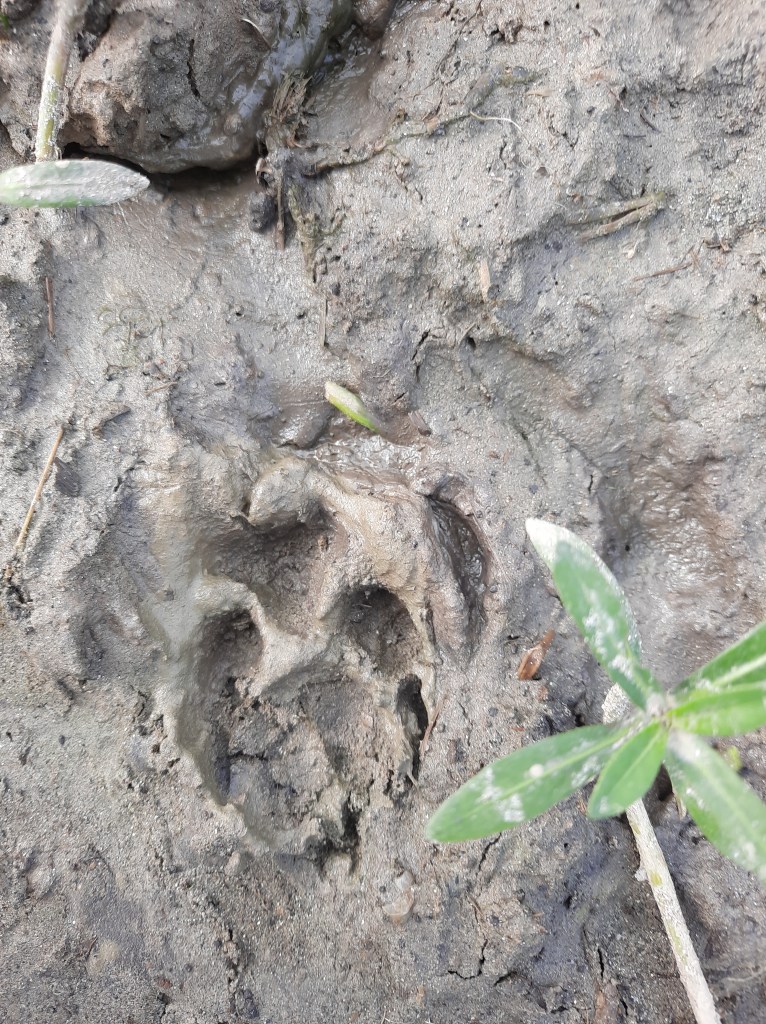
There were a few nice dragonflies along here and some interesting tracks along here that were from some canine, either just a domestic dog or the Golden Jackals that are common here in the winter.

Grizzled Pintail
male Scarlet Skimmer

Back on the main path again we had another prinia posing nicely, unfortunately the sharpness of the shot isn’t as nice as the pose and background.

Plain Prinia

Then we saw our first Black Bittern of the day circling up from the south then landing in the grassy swampy area to our north.

a not great photo of a classy bird
Heartleaf False Pickerelweed
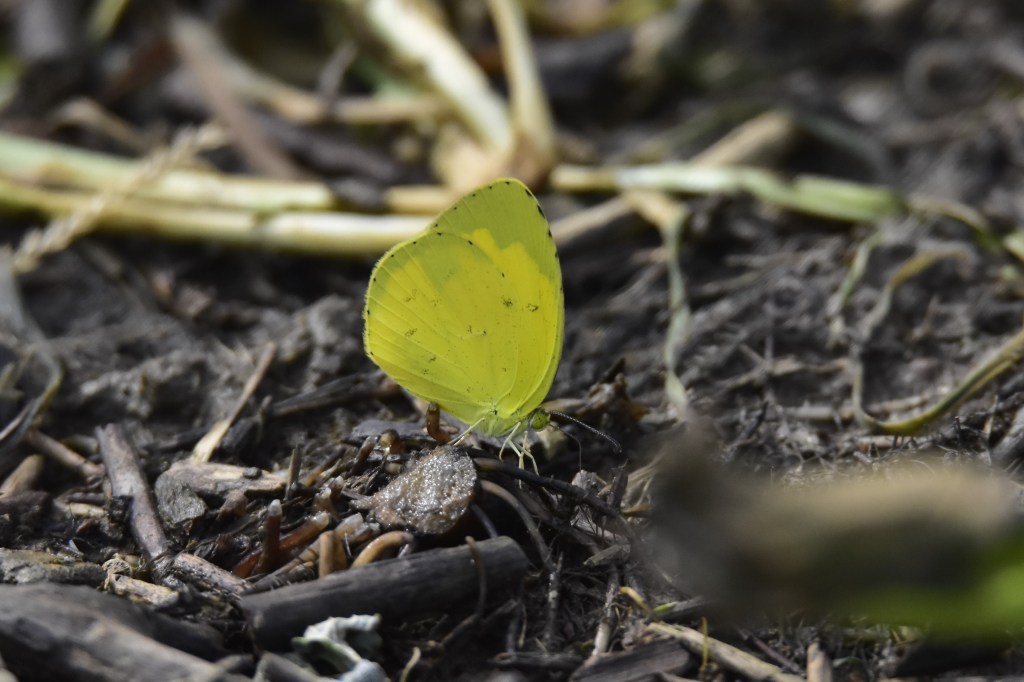
Common Grass Yellow

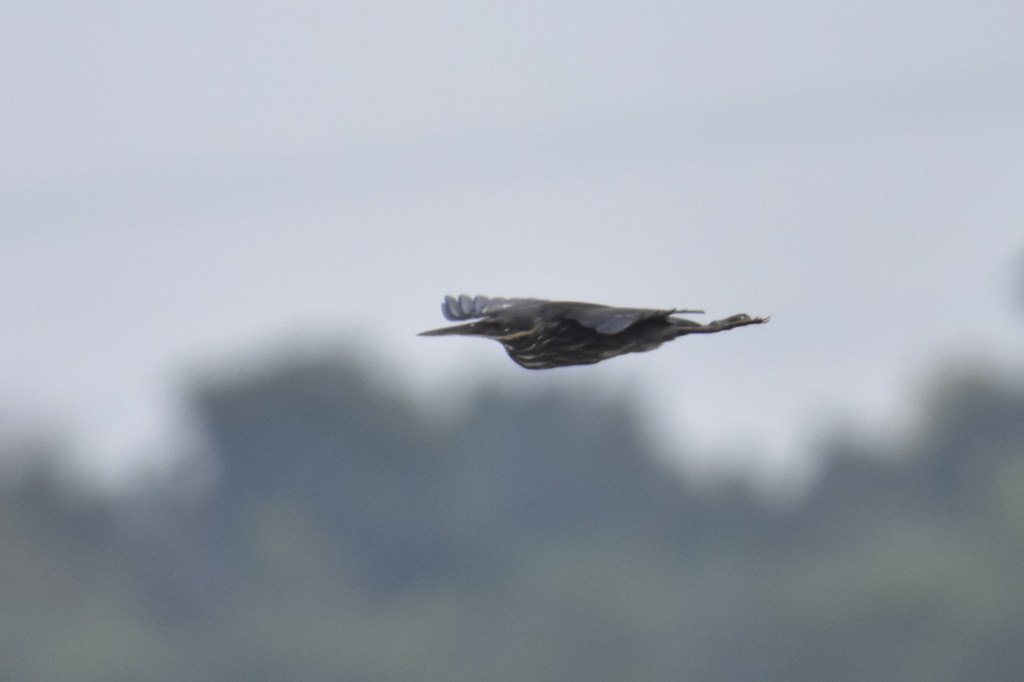
There was a family of five Black-crowned Night-Herons with two adults and three juveniles. Unfortunately none of them wanted to stick around to have their photos taken…

As always we checked the tree row for the Brown Boobook, but I haven’t seen it since early this year. There were multiple Yellow Monitor lizards through here, but they were all easily spooked and so I still don’t have a photo of this species.

On the job!

Past the tree row was yet another Long-tailed Shrike, but this one actually let us get fairly close.

Along here we accidentally flushed another Black Bittern and watched it fly into a large patch of water hyacinth. We went over there vainly hoping we could somehow see it and get pictures of it landed, but no luck seeing it in that stuff…

A panorama shot of the hyacinth patch where the bittern landed.

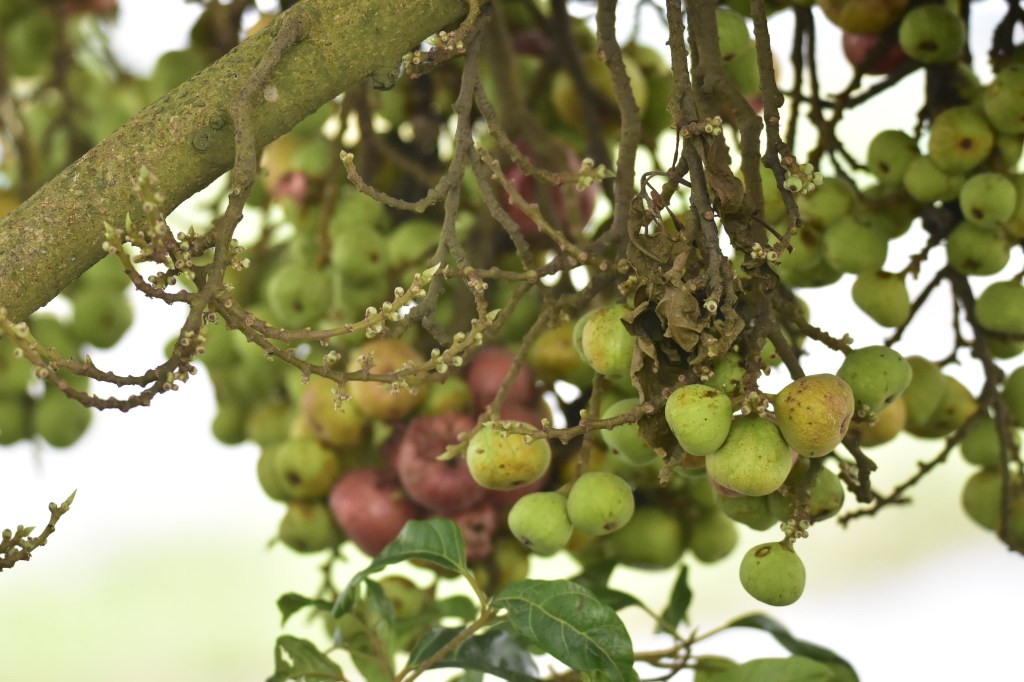
Along the path on the western side are a few larger trees including two fruiting ones that the birds enjoy: a Burflower-Tree and some kind of figs. A flock of 7 Yellow-footed Green-Pigeons flew from one to the other, but I didn’t get any photos of them. There were also a number of Asian Pied Starlings and Red-vented Bulbuls in the fig tree.

Fig tree

Apart from those fruiting trees there isn’t great bird habitat on this side when it’s flooded like this. There’s always a number of whistling ducks, but not too much else.

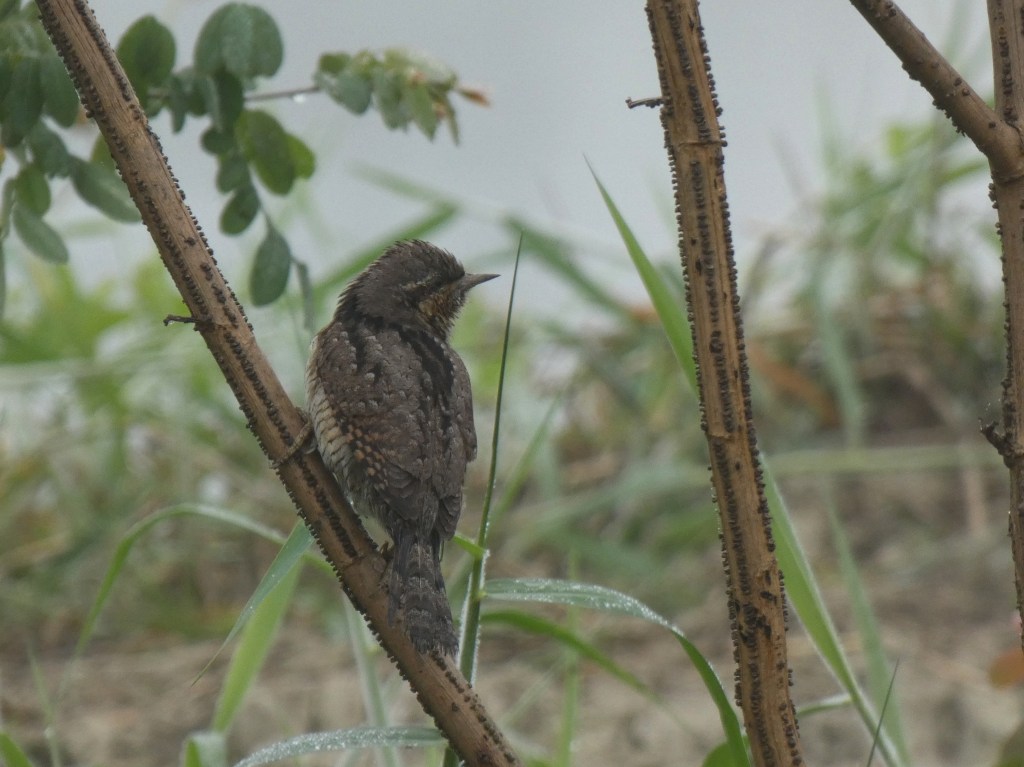
We had one last bird surprise when a Eurasian Wryneck flew past, brief views, but these are such cool distinctive birds! Here’s a photo from last year:

I saw a few more insects:

Striped Albatross
Pied Paddy Skimmer

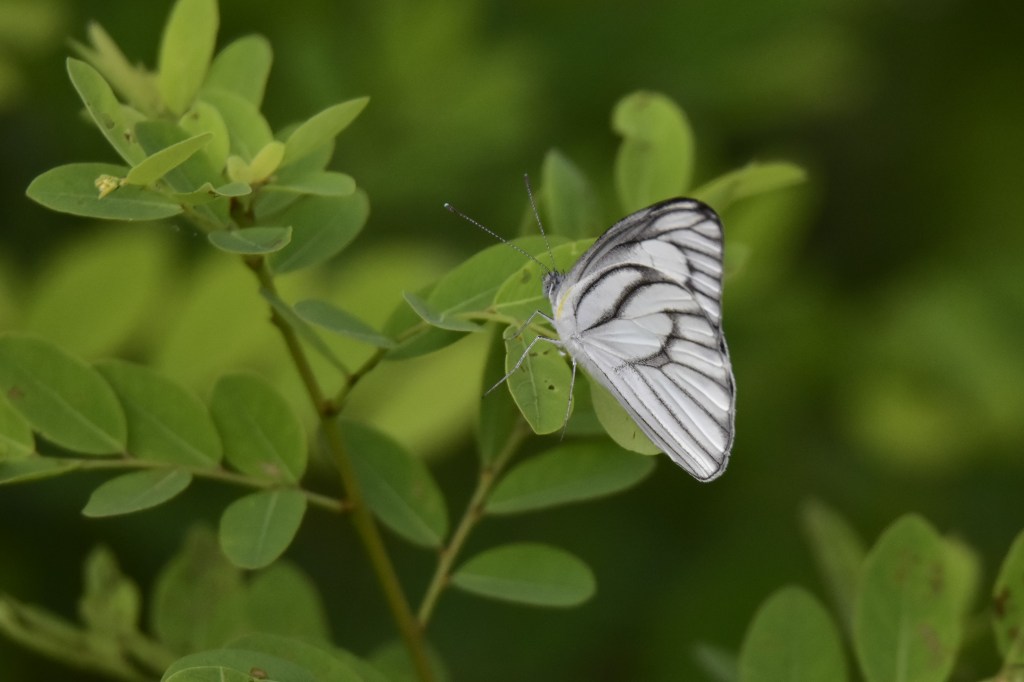
And my personal favorite insect of the day was this gorgeous pierrot butterfly! It’s my first pierrot, it’s possibly a Little Tiger Pierrot, but unfortunately can’t be IDed to species as there are multiple extremely similar species.

We ended up with 48 species and adding the Eurasian Hoopoes, Chestnut Munias, and Black-winged Kite that we saw along the road on the way to and from New Vision we hit 51 species by 10 in the morning! 27 of these species were new for the yard challenge catapulting our team to first place if only momentarily! (leaderboard) It was a fun day and reminded me just how much I enjoy being out in nature especially after several weeks of being stuck at home!

eBird checklist: https://ebird.org/checklist/S72928692

If you enjoyed this post, please subscribe for more. As always, feel free to comment!
Exploring Purbachal

Last weekend Nic and I woke up at 4:40 am to get ready to bike out to Purbachal to try for the elusive Watercock! My friend Elias Thomas had been able to get the location from another birder and we were going to meet Elias about halfway to Purbachal and go bird together. The obvious goal was Watercock which is a rare breeder near Dhaka and uncommon in Bangladesh as a whole and it would be a lifer for Nic and me! We also hoped for one or two year birds with Red Avadavat and Indian Cuckoo both being possibilities.

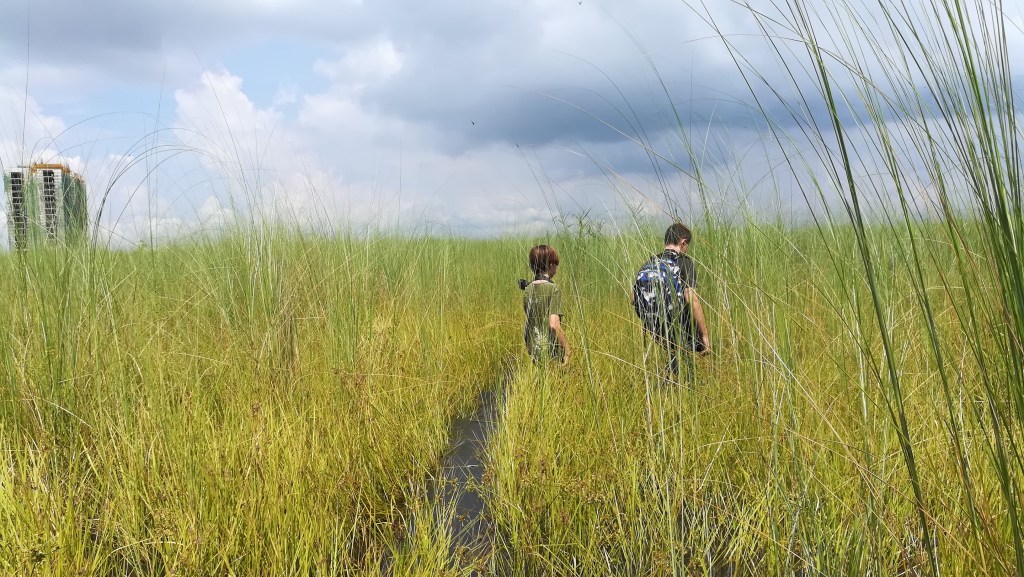
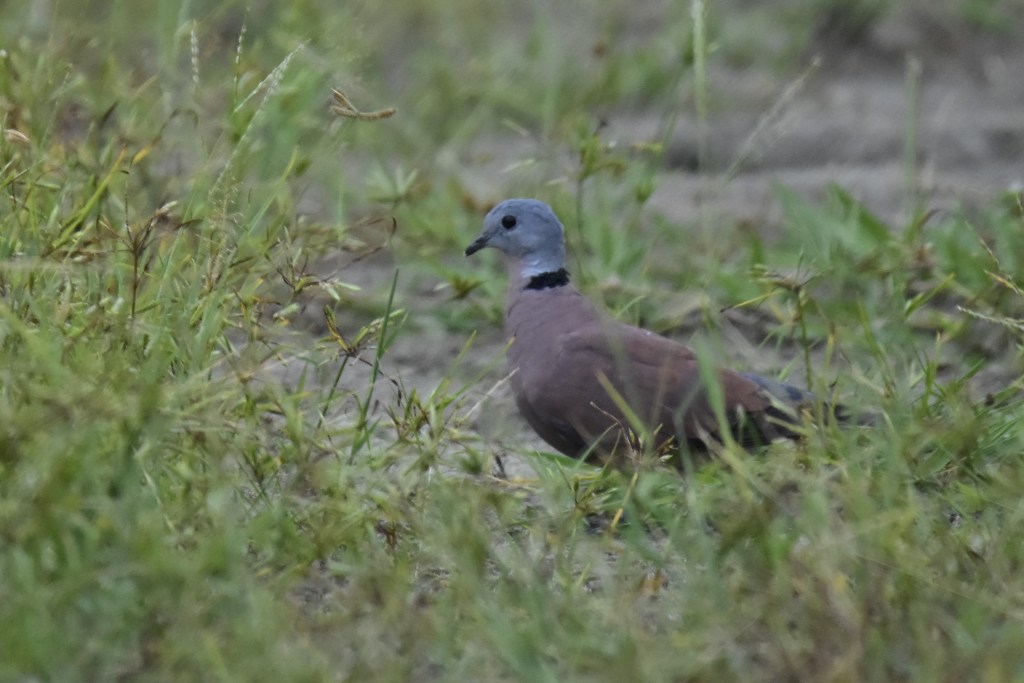
As soon as we reached the major Purbachal highway we started seeing some interesting birds as we biked along with a few highlights being two Black-winged Kites, Red-collared Doves, and several far off munias in flight. As we finally turned off the main road I caught a glimpse of several munias including a Tricolored in some tall grass beside the road so I quickly stopped and snapped a few photos which turned out to be my best photos of Tricolored yet, though not as good as others I would get later in the day. Finally off the main road we biked a little more slowly and kept an eye out for birds. Nothing too interesting along there, but we were clearly in decent habitat.
Finally after biking nearly 25 km total we reached the watercock spot and locked up our bikes. There were a number of weaver and munias in the low grass (rice) near where we parked our bikes and a Yellow Bittern flew in and immediately managed to disappear.

A not super sharp Baya Weaver photo
several Chestnut Munias
Tricolored Munia

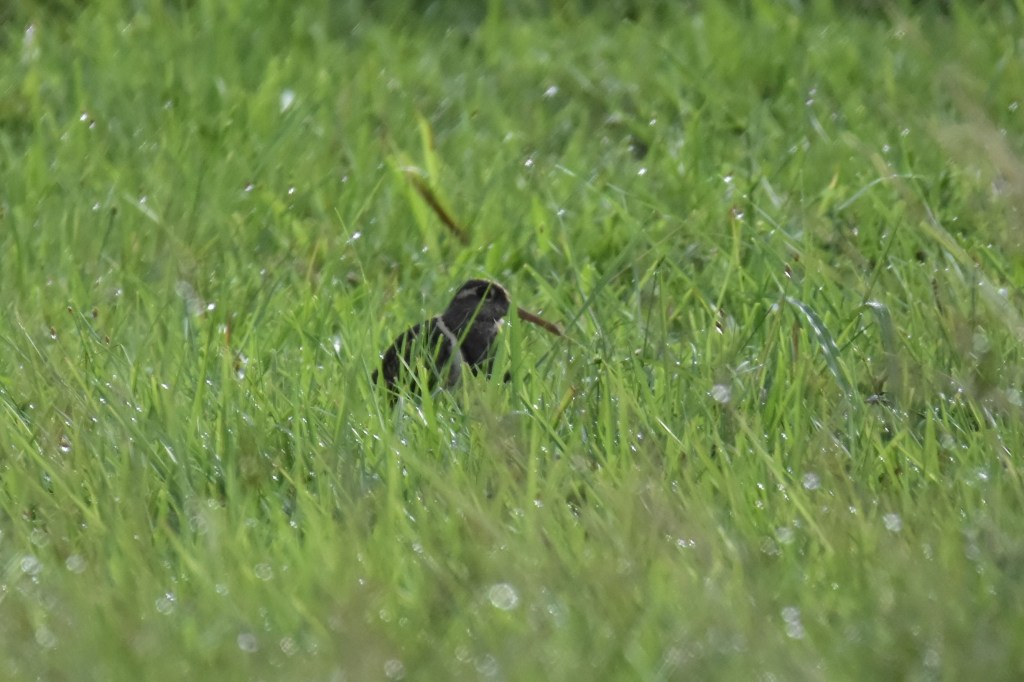
Right across from where we locked up was a large pond filled with water lilies which I immediately recognized from photos I’ve seen of watercock presumably from the same pond. The details Elias had gotten said the watercock were usually at this or another marshy area just down the road and often heard before being seen. We spent some time at both places listening and looking but no apparent luck. Suddenly our heart rates skyrocketed (at least mine did anyway!) when we saw some brownish waterbird fly at the end of the second marshy area and we quickly headed that direction. While we (im)patiently waited for whatever it was to fly again a Red-breasted Parakeet flew over, not a year bird but still fun to see. Then suddenly we saw two Greater Painted Snipe fly through! Year bird #209! We snapped a few bad in flight photos and watched where they went and decided to follow and see if we could get any better photos. We also realized that what we had seen fly in the marshy area must’ve been another painted snipe.

We tracked the snipe down and found where they had landed, but couldn’t get any good shots unfortunately.

male Greater Painted Snipe
This is one of the few species where the female is much more colorful than the male

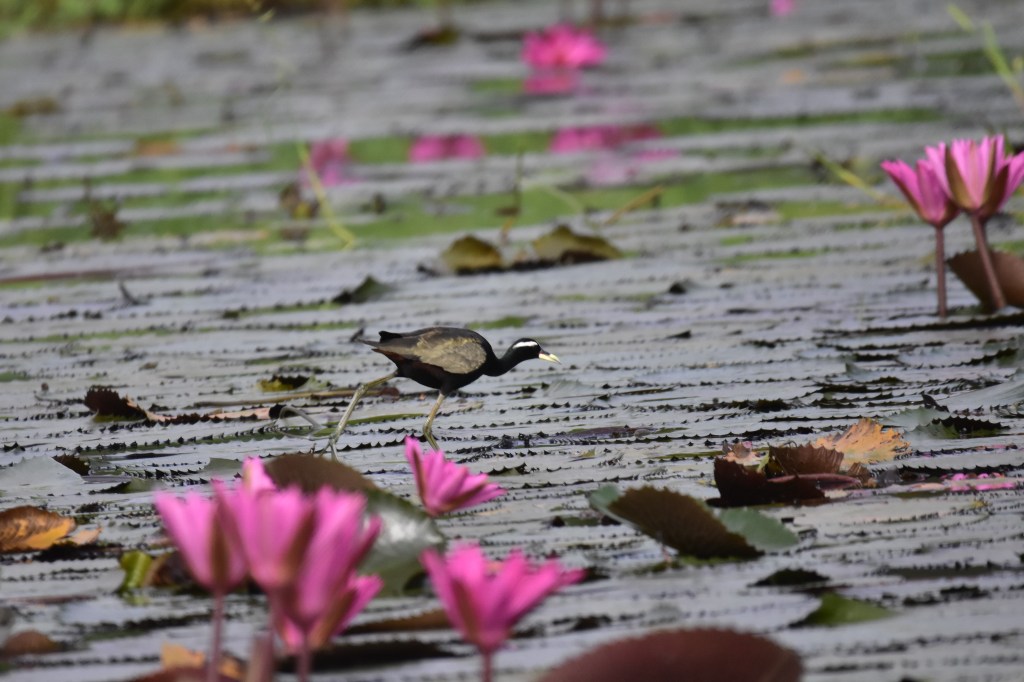
We came back and spent more time around the water lily pond, looking and listening for watercock while chowing down some snacks. We saw two photogenic Bronze-winged Jacanas as well as a White-breasted waterhen but no watercock

Bronze-winged Jacana with water lilies

Yellow bittern were also common in the area though no decent photos. Spent a bit of time trying to get photos of some more Chestnut Munias, but they managed to stay behind just enough grass that the photos didn’t turn out well.

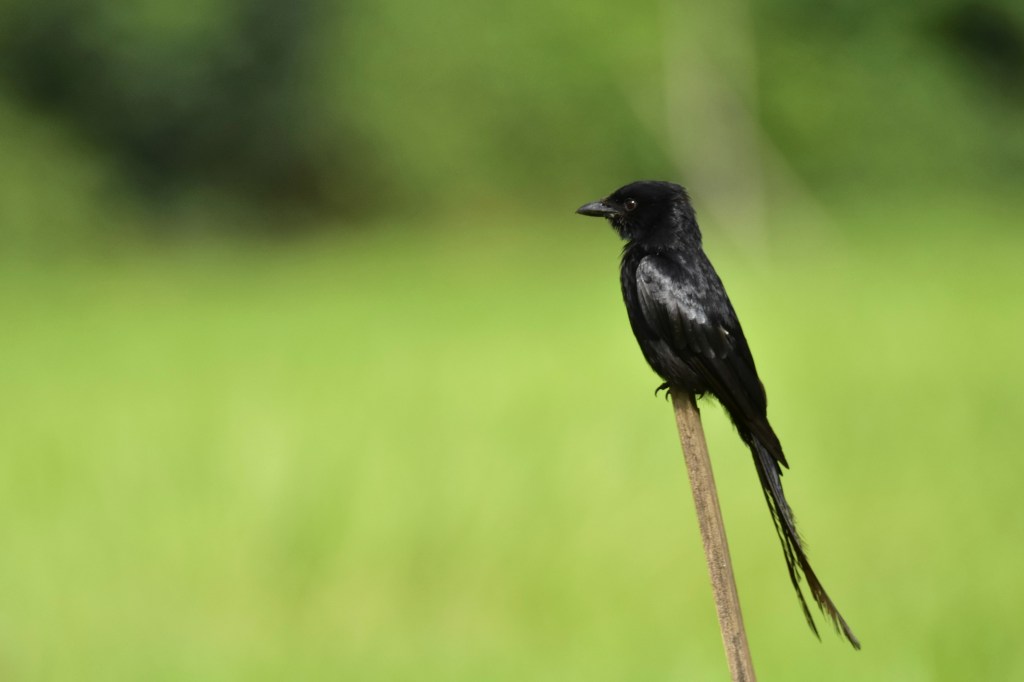
This Black Drongo was a little more obliging and posed nicely in bright sunlight with a great background. Image is a little soft though and not as tack sharp as I’d wish.

Black Drongo

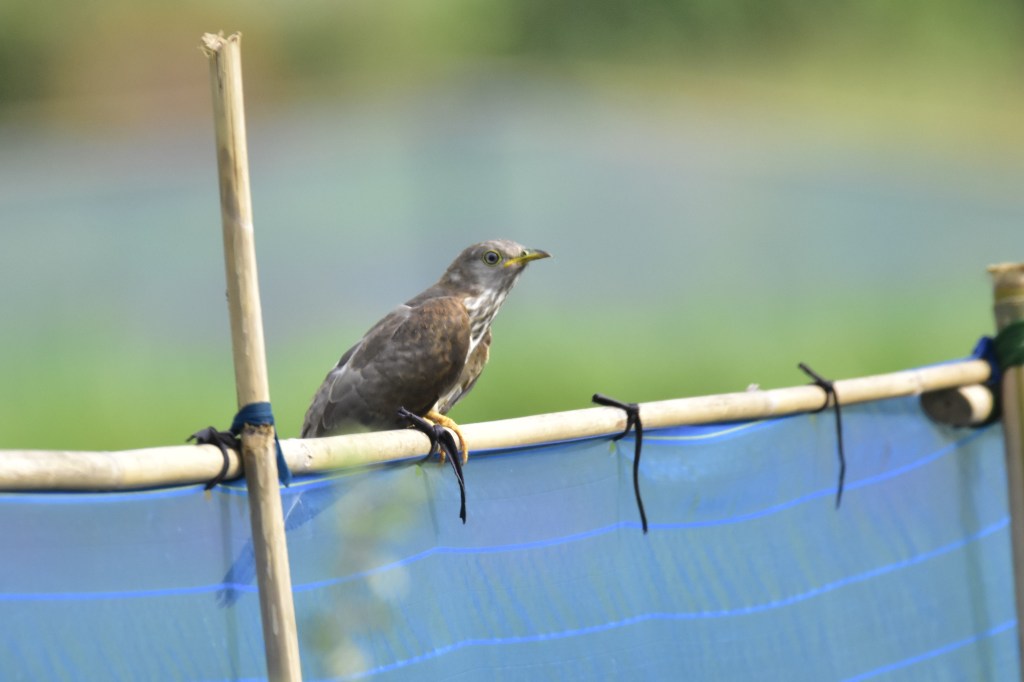
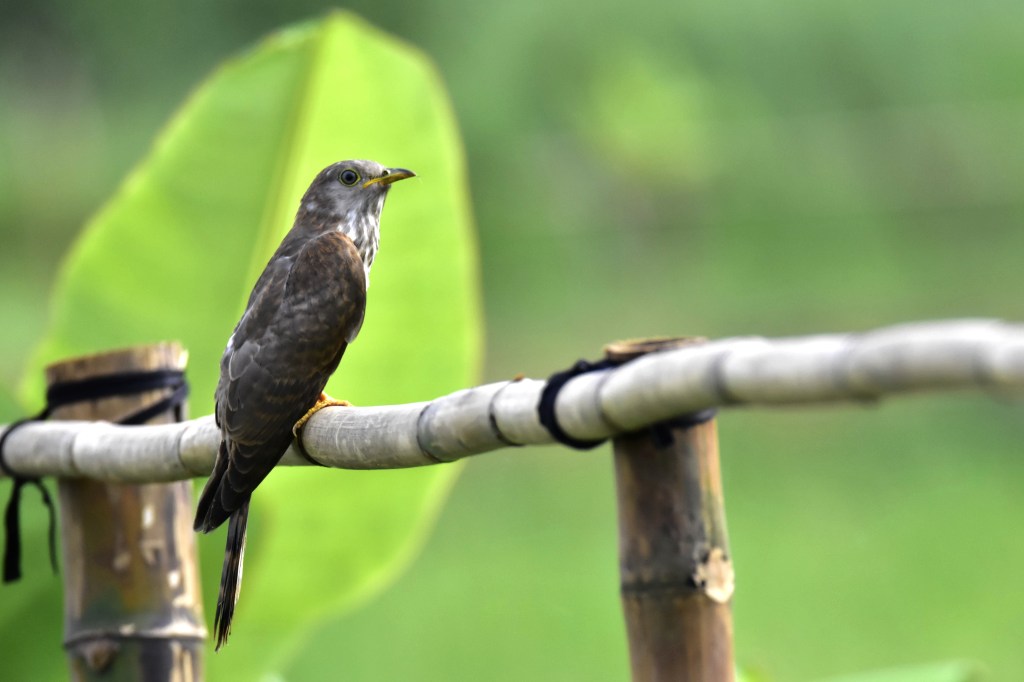
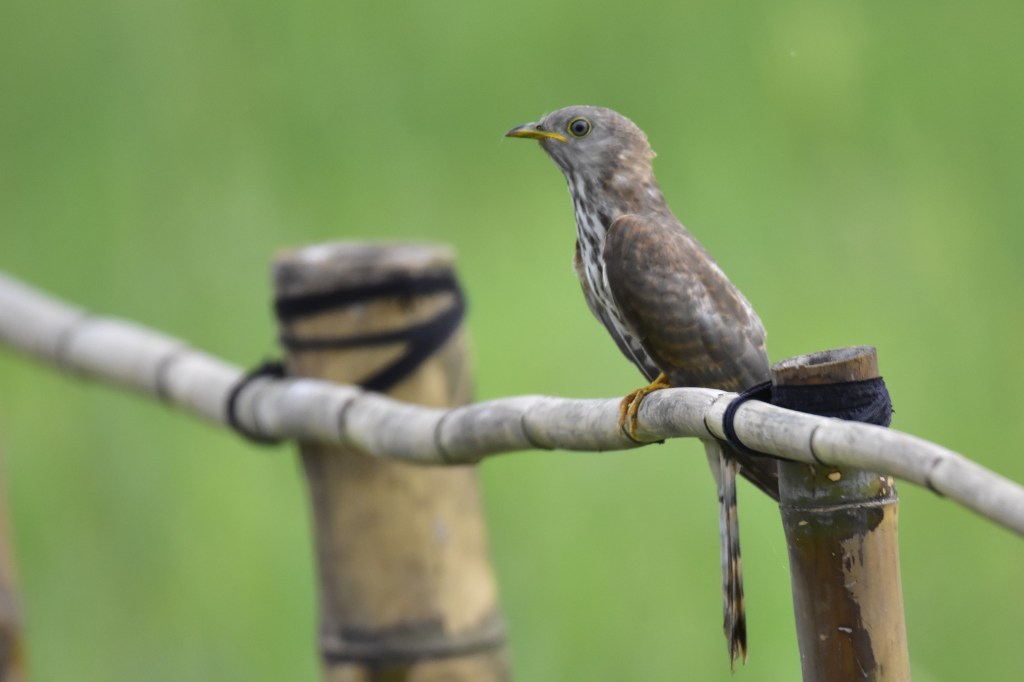
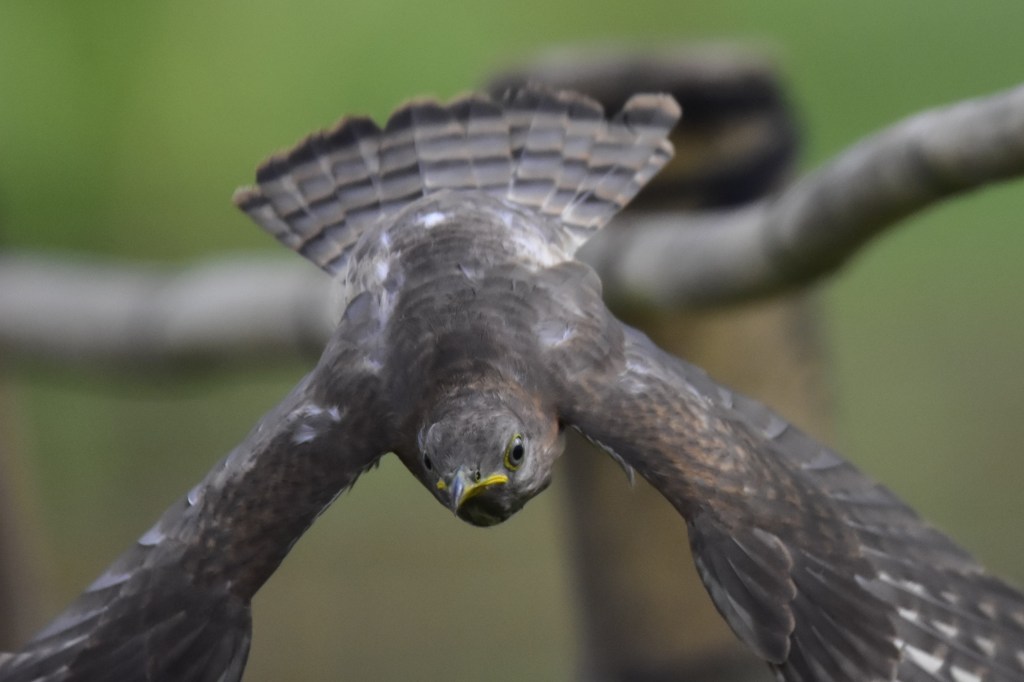
After about two hours of birding and as it was getting a little later in the morning we decided to move on to another good birding spot which although it didn’t have a chance at watercock did have a good chance for Red Avadavats which would be a year bird for me plus several other species that would be new for our day list which was already in the upper 40s! As we walked to our bikes we saw a young Common Hawk Cuckoo perching nicely in the open.

After we took a few photos it flew across to the other side of the road and allowed us to approach closer for more photos.

After a several minute photo shoot it got bored and dived down to the ground for some reason and I was just able to catch it in flight

We finally left here and biked a few kilometers to the other spot Elias has visited a number of times. After locking our bikes we reached the spot where they had entered previously and found it completely flooded, but feeling a little adventuresome and not wanting to stop birding for the day we decided to wade through the nearly waist deep water to the dry ground we could see 50-100 feet in.
Very few birds right at the beginning except some Spotted Doves and Zitting Cisticolas but we did see two Golden Jackals.

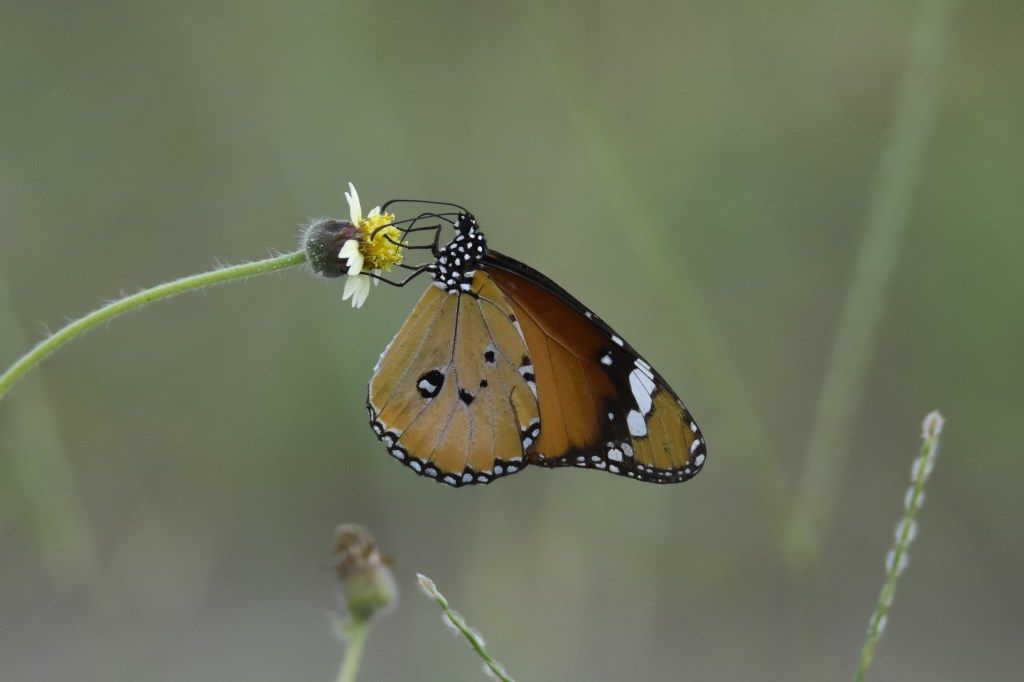
Plain Tiger

butterfly

As we went farther in we started seeing more and more doves including lots of Red-collared Doves. There were at least 80 doves total with just over half being Red-collared Doves. We heard then saw 2 Red-wattled Lapwings that were new for the day. There were also several Bengal bushlarks around and multiple munias that didn’t let us get close and more small birds flying and calling shrilly which we figured out were the avadavats, year bird #210.

We kept going farther in and discovered more marshy areas and suddenly flushed 3 Yellow Bitterns and a painted snipe all from basically the same small patch in front of us!

Yellow Bittern

We wanted to go farther in, in another section of the swampy area, but were soon stopped by very thick grass. One highlight from the swampy areas were a new dragonfly species for me: Grizzled Pintail (Acisoma panorpoides)!

Grizzled Pintail Acisoma panorpoides

We kept trying different areas including wading through grassy marshy area for about ten minutes trying to get to a large pipe from which we could’ve seen a larger more open water area, but never could reach that pipe…

As we came out of the swampy areas we saw a raptor flying off with something in its talons. Snapped a few photos and realized it was a Red-necked Falcon! From photos I think the kill was maybe a swift or swallow, but waiting to hear from an expert on that. There were many many asian palm swifts around and a few barn swallows so either is possible, though judging from structure I’m kinda leaning toward the swallow theory.

This area has some really interesting relatively undisturbed habitat with both dry and wet grasslands.

Dry grassland
Swampy grassland area
Elias and Nic in the wet grassland

We eventually decided we needed to leave and I was actually kinda looking forward to wading out again through the cool water as a bit of respite from the almost unbearably bright sunshine!

Red-collared Dove on the path as we headed out

eBird checklists: the watercock spot (eBird location is purposefully not the actual watercock spot but is a spot we birded a bit) and the swampy grassland.


Once I was finally home after biking a total of over 50 kilometers that morning in both bright sun and pouring rain I was really able to appreciate what an awesome day of birding it had been, despite missing my most hoped for target we had seen 58 species including two year birds taking my year list to 210 which is quite respectable for how limited traveling has been due to covid. Birding Purbachal was super fun and I hope to again in the next month or so since I still need that watercock!

If you enjoyed this post, please subscribe for more. As always, feel free to comment!
Hornbill, Rollers, and a Firefinch (Historical post: Kenya #4)

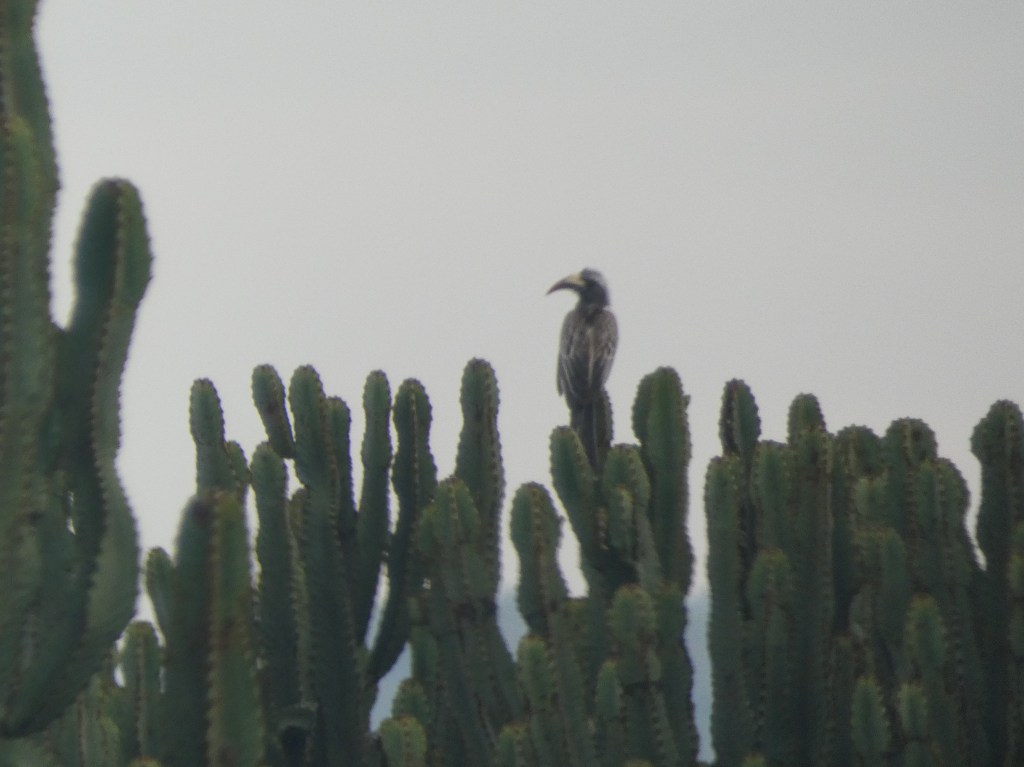
We woke up a bit late on our last morning before we went to “the Mara” (as people here call Masai Mara), and it wasn’t till 7:10 that we got out of the house to do a bit of birding. We were soon in business with a hornbill flying across and landing on one of the many cactus like trees (Euphorbia ingens). The hornbill turned out to be an African Grey Hornbill and my first ever hornbill species!

Poor “record” shot of a cool species

The only other lifer on our morning walk was a Yellow-rumped Seed-eater (Reichenow’s Seedeater per eBird, but I don’t like that name and prefer the older descriptive name)

Terrible photo, but obviously shows why this bird should be called Yellow-rumped Seed-eater not Reichenow’s Seed-eater…

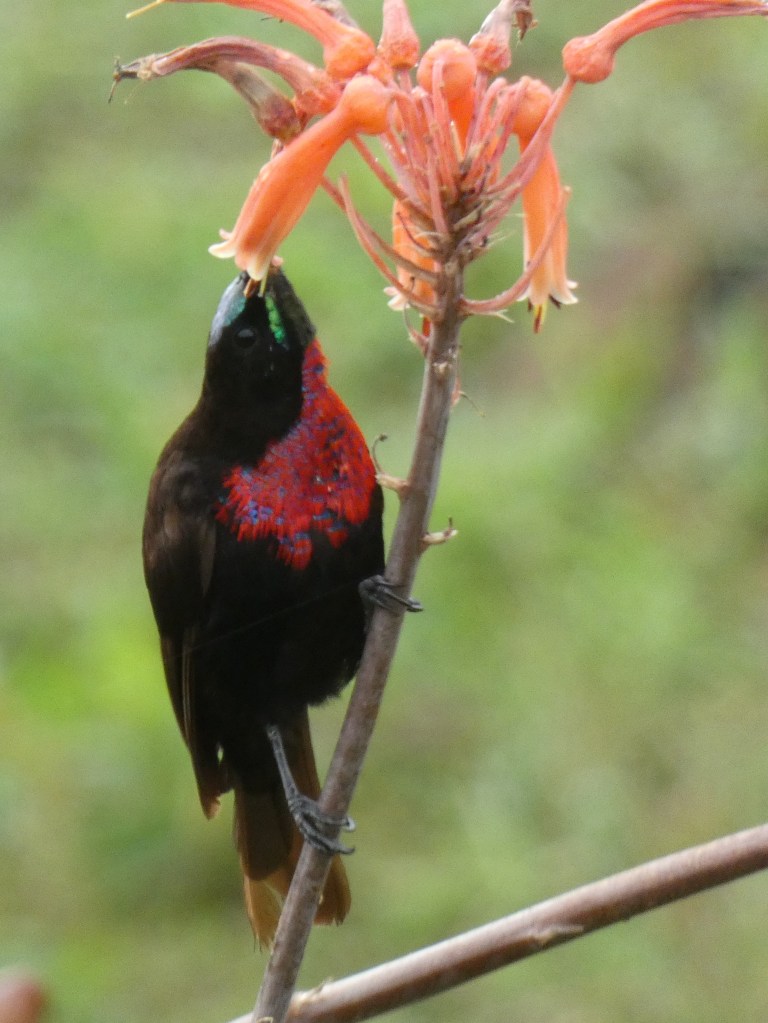
Other than the two lifers, we basically just had the same normal birds we’d been seeing regularly over the last few days. Had good views of a Scarlet-chested Sunbird feeding on some flowers right near us.

Scarlet-chested Sunbird ©Niccolas Miller

And a short video I was able to get of the sunbird:

A little later in the morning I went on another short walk and almost immediately found some our first weavers of the trip! I quickly went and called Nic and we were both able to see our lifer Speke’s Weavers, and I got a few poor photos.

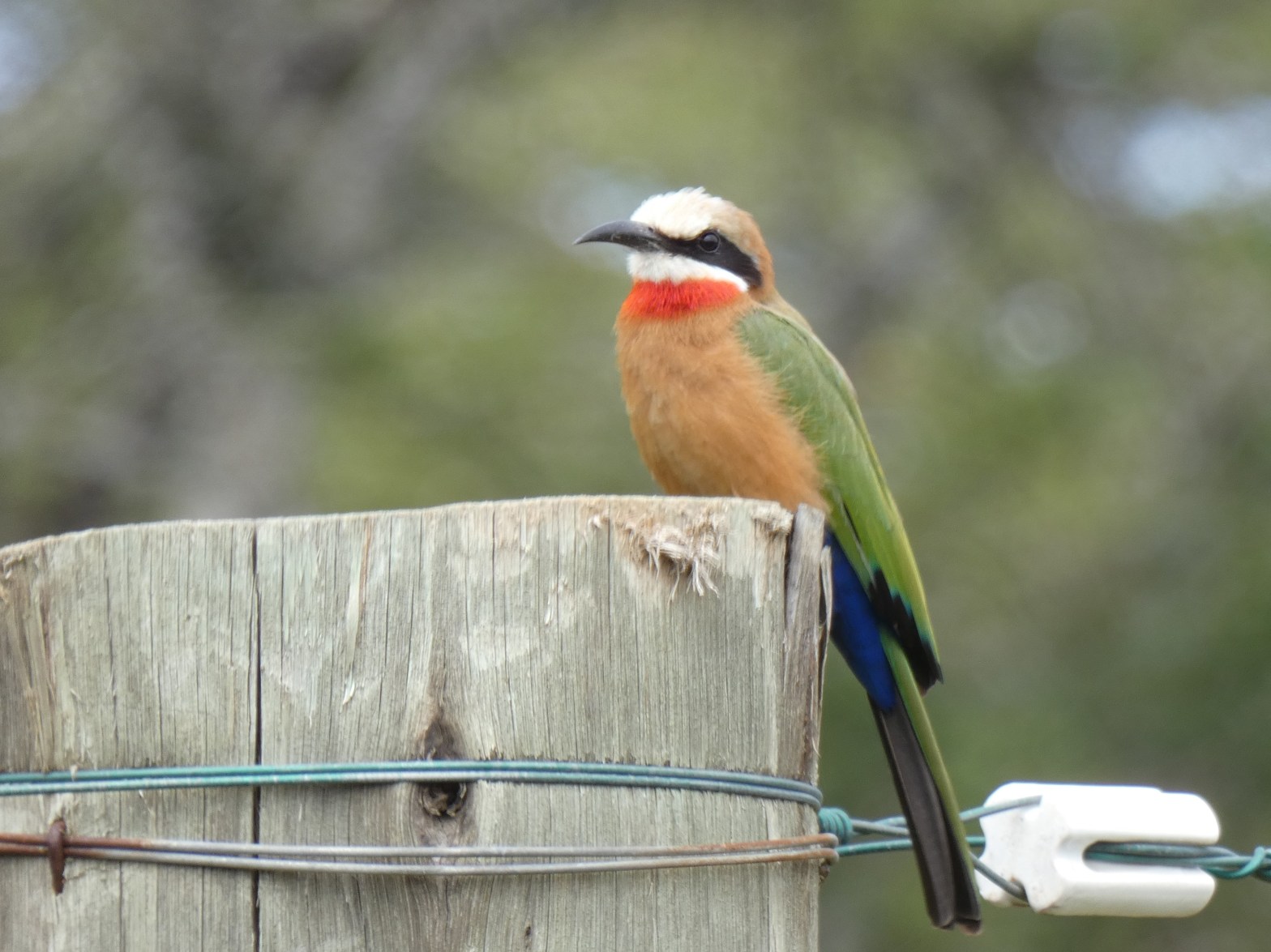
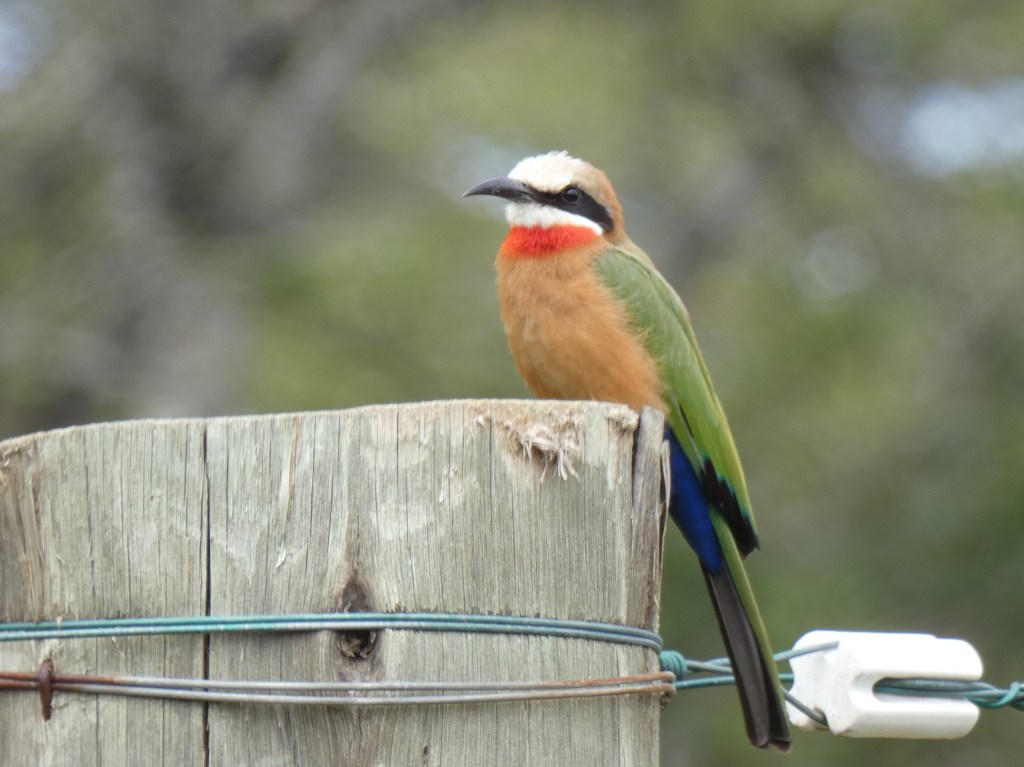
This White-fronted Bee-eater was a little more obliging, and Nic was able to get some nice shots.

White-fronted Bee-eater ©Niccolas Miller

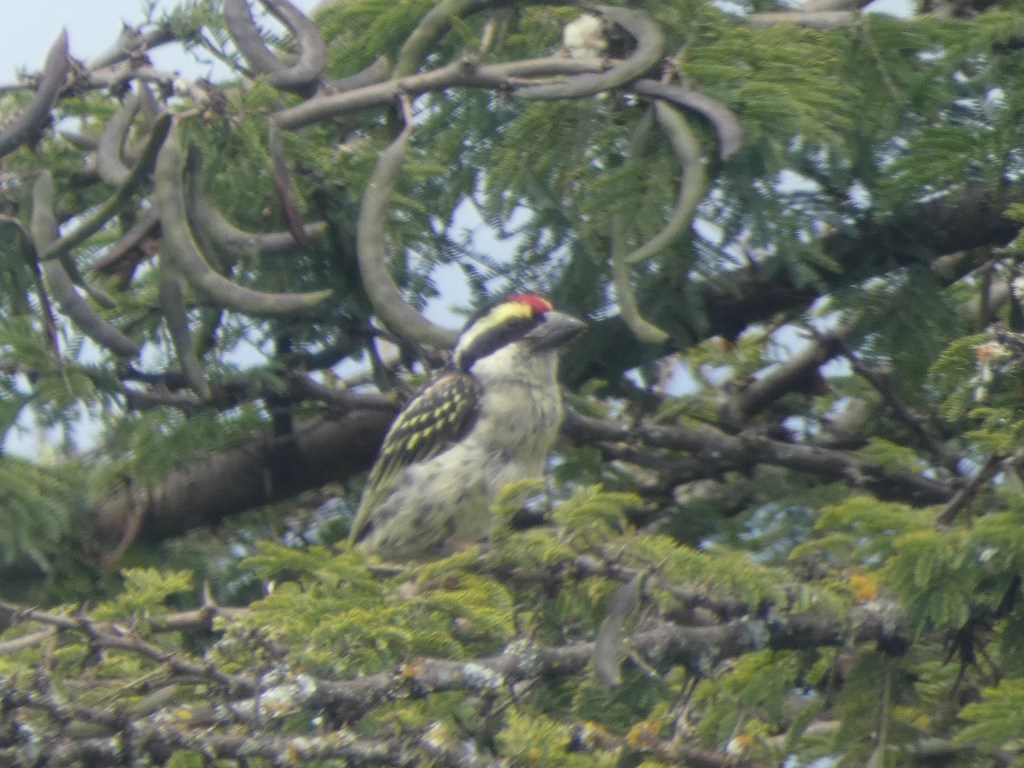
Other lifers on our little walk were a Red-crowned Barbet and a flyover White Stork that had just left Lake Nakuru NP.

Red-crowned Barbet
Trust me, it’s a White Stork!

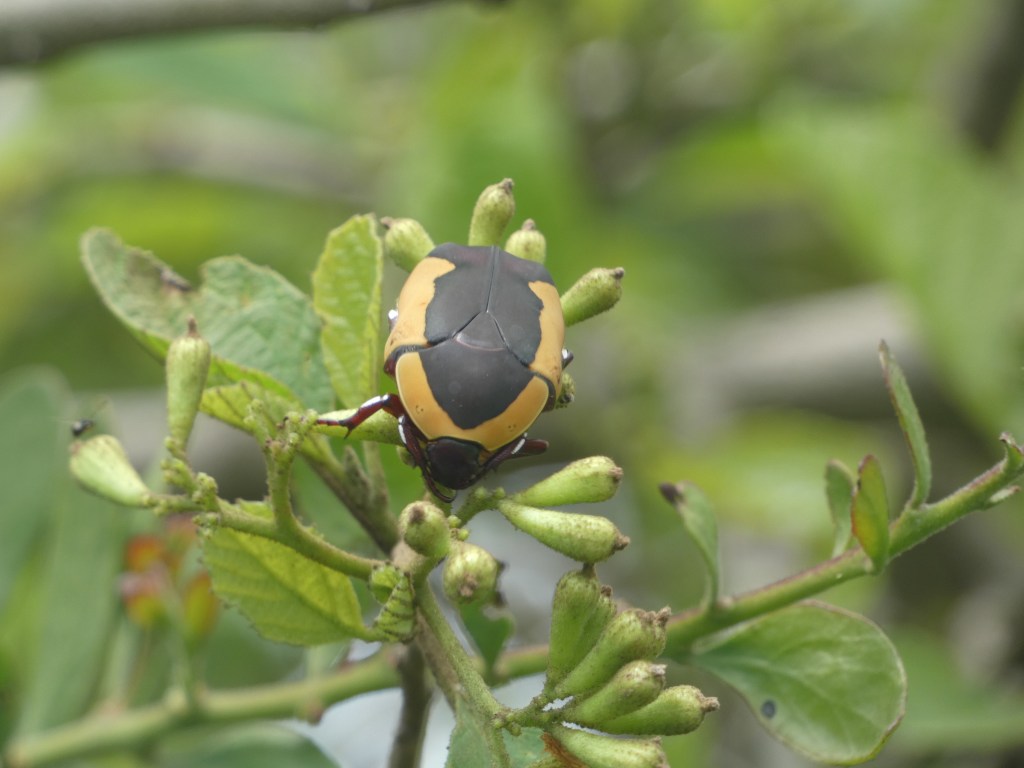
No more bird highlights from that short late morning walk, but we did see a cool large beetle which iNaturalist suggests is in genus Pachnoda.

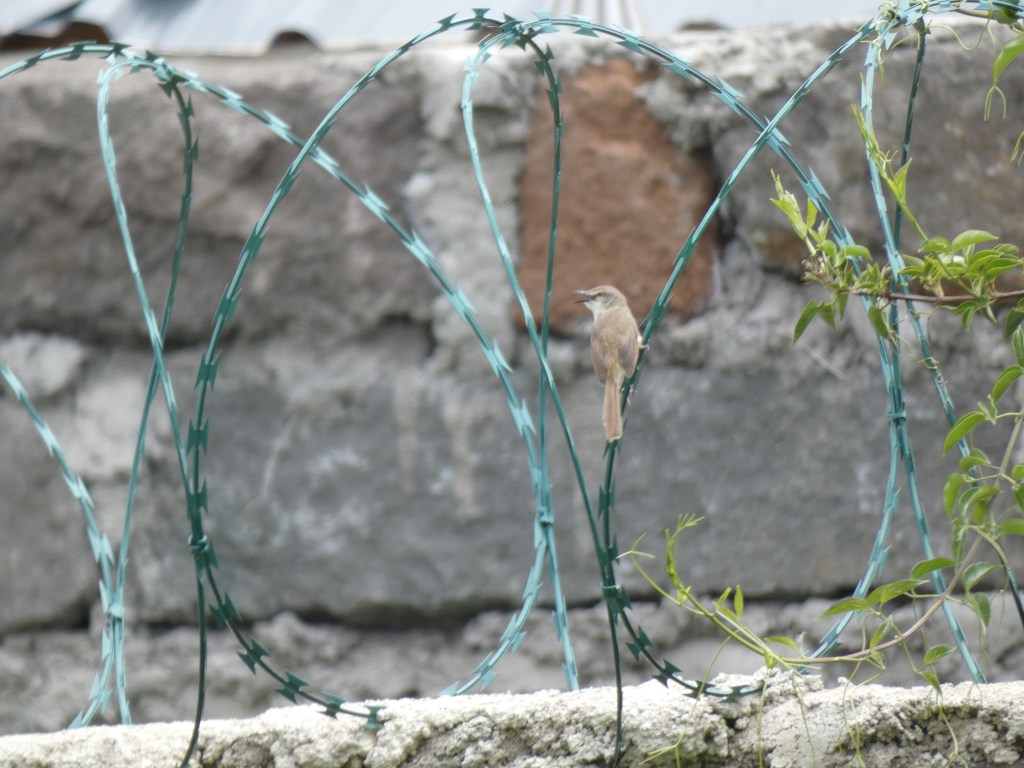
Once we were back at the house, we saw another lifer, a Tawny-flanked Prinia perching on top of the wall. They look quite similar to the Plain Prinias we have here in Bangladesh.

Tawny-flanked Prinia ©Niccolas Miller

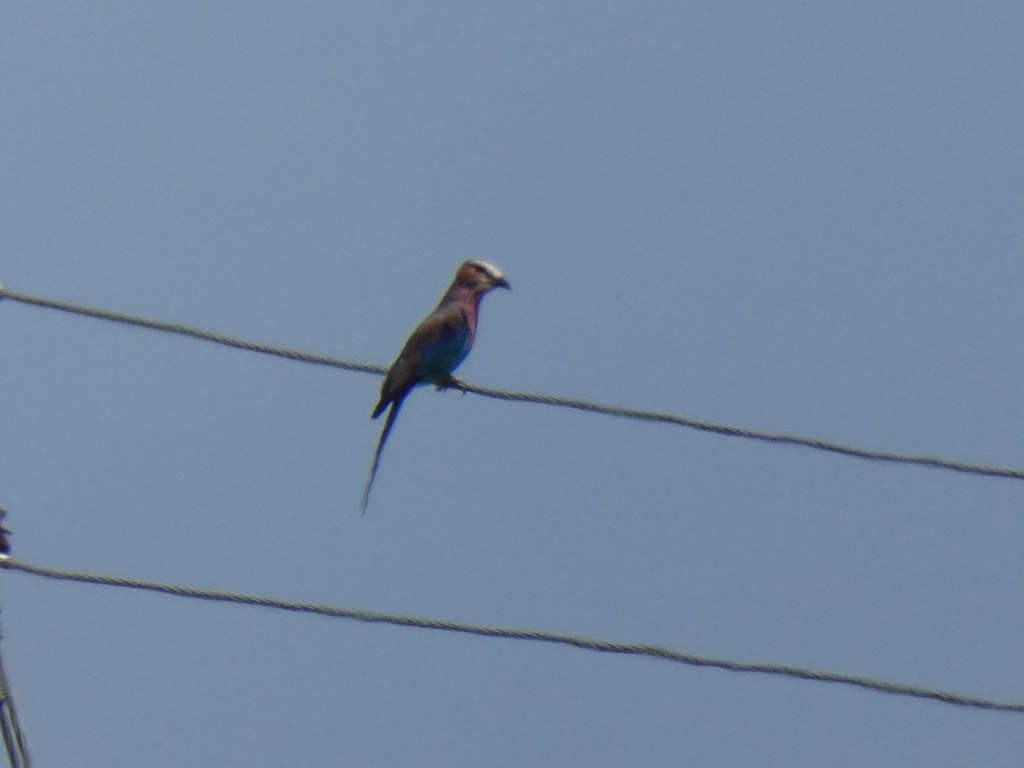
We had some more decent birding in the afternoon including three lifers: a nice looking Red-billed Firefinch, and two species of roller, both Lilac-breasted and Rufous-crowned.
Didn’t get good photos of any of these lifers, but here’s one of Nic’s long distance shots of the Lilac-breasted Roller to give you a bit of a feel for what we were seeing!

Lilac-breasted Roller ©Niccolas Miller

To finish up here’s a Pied Wheatear that was hanging out on the backyard swing.

Pied Wheatear

We ended up with a total of 9 lifers, which was decent for not going anywhere for birding. And we were super excited about getting ready to leave for the Mara the next morning! Good times coming yet!

eBird checklists for the day: early morning walk, late morning walk, and a bit of afternoon birding from the house.

If you enjoyed this post, please subscribe for more. As always, feel free to comment!
Trying out my new camera!

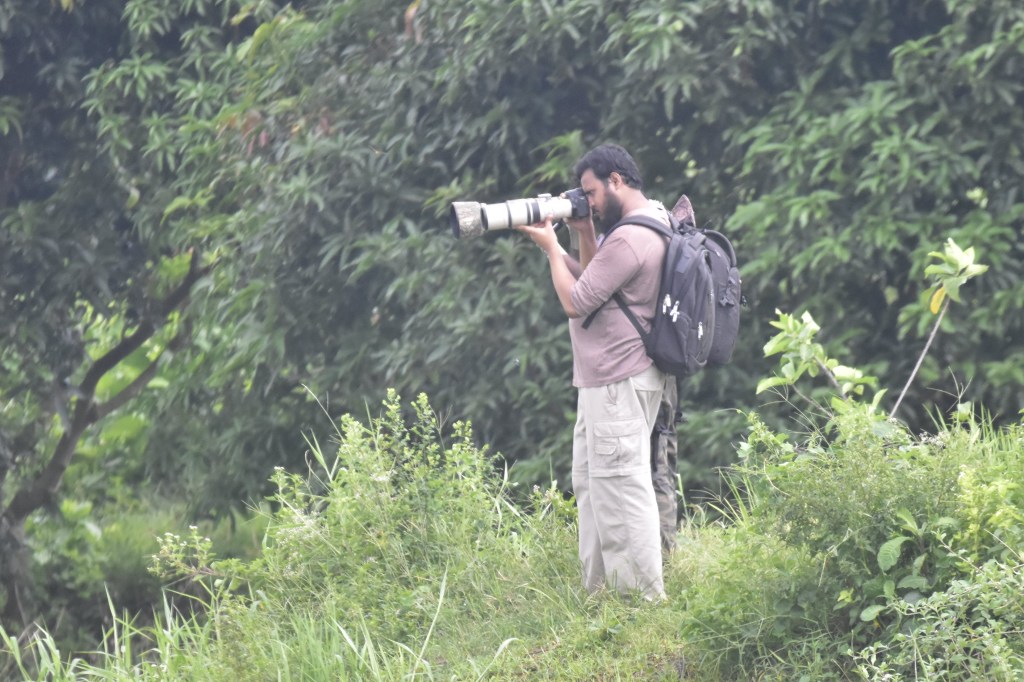
Two weeks ago I was able to buy a used Nikon D7200 with a Sigma 150-600mm sport lens for a good price from a local birder, and I was finally able to really try it out at New Vision last weekend. This time I was joined by a local birding friend of mine, Ahmad Abrar.

We had to navigate through some thicker weeds this time as we took the left path, but soon we reached the area of the path the local farmers had cleared. Bird movement was really slow but we did see 5 Indian Silverbills fly to a tree full of weaver nests. I’d only seen them for the first time here last week and then only in flight, so it was nice to get some better views here although I see them at our house all the time.

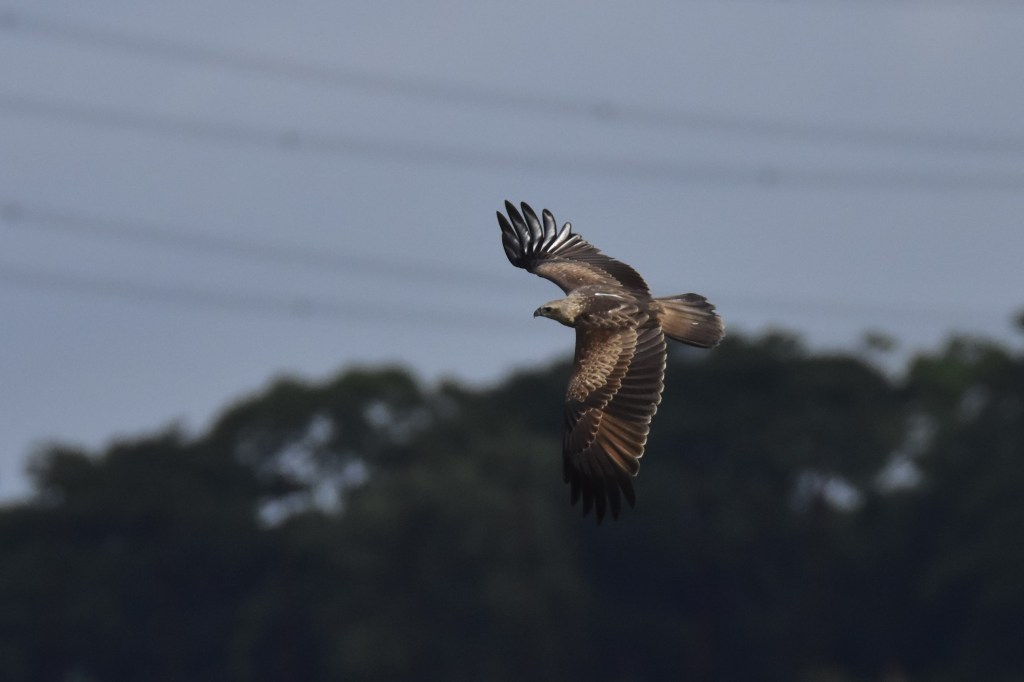
My first decent photographic opportunity was a young Brahminy Kite perched on one of the New Vision signs. The weight of the lens (6 lbs!) makes it a bit difficult to handhold and get sharp photos and I’m still getting used to using a DSLR again so the photo didn’t turn out great…

A young Brahminy Kite


We had a few somewhat interesting birds in a juvenile night heron and one or two barn swallows, but it just felt like very little bird movement. I spent a little bit trying to photograph this Gram Blue (butterfly) but it’s fairly hard to photograph insects with a long lens.

Gram Blue

We did see a Plaintive Cuckoo fly past which was actually my first sighting this year, though I’ve heard them several times. Especially surprising was the lack of any bitterns, it took quite awhile before we saw any Yellow Bitterns even though previous times both Yellow and Cinnamon had been pretty common.

I had fun getting some photos of a young Asian Pied Starling feeding on Ivy Gourd (Coccinia Grandis).

Next we saw two Intermediate Egrets, my first since before lockdown sometime! There was one lone House Swift which I tried to get a few photos of, but failed to get decent results because of the poor lighting. I’ve been paying close attention to the house type swifts in Bangladesh recently because they really haven’t been studied much and are presumed to be House rather than the very similar Little Swift mainly based on a couple of older specimens. Now these two swifts are so similar that some consider then conspecific, and really photos will not be able to conclude which species is for sure present in BD, but photos could reveal certain population trends across different parts of the country. What we really need is for some of the experts to be able to either capture a few swifts or find injured ones to get the necessary feather measurements, wing emarginations, etc. to be able to properly confirm whether or not House Swifts are the species in BD or not.
Although my photos were pretty bad I’m adding one here just for fun because I’m super interested in these! To me this looks the classic House Swift with overall quite dark colors, narrow white rump patch, and general shape looks like classic House to me, but I’ve noticed the swifts near our house are slightly browner, possibly have larger white rump patches, and are slightly more chunky which can be pointers to Little Swift but nothing definitive at all.

Trashy shot, I know…

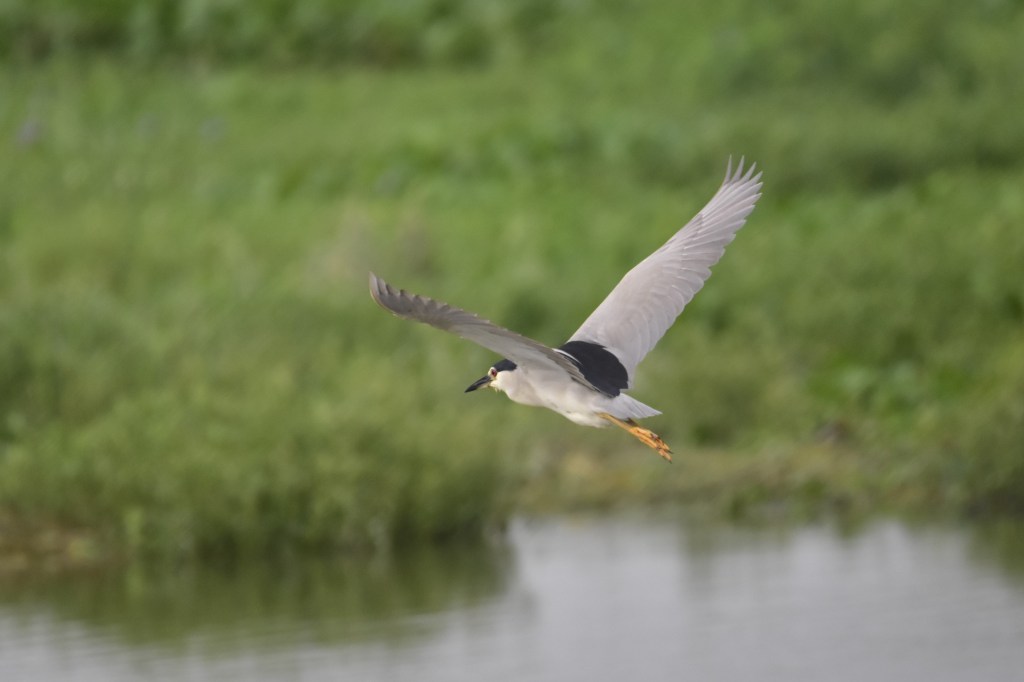
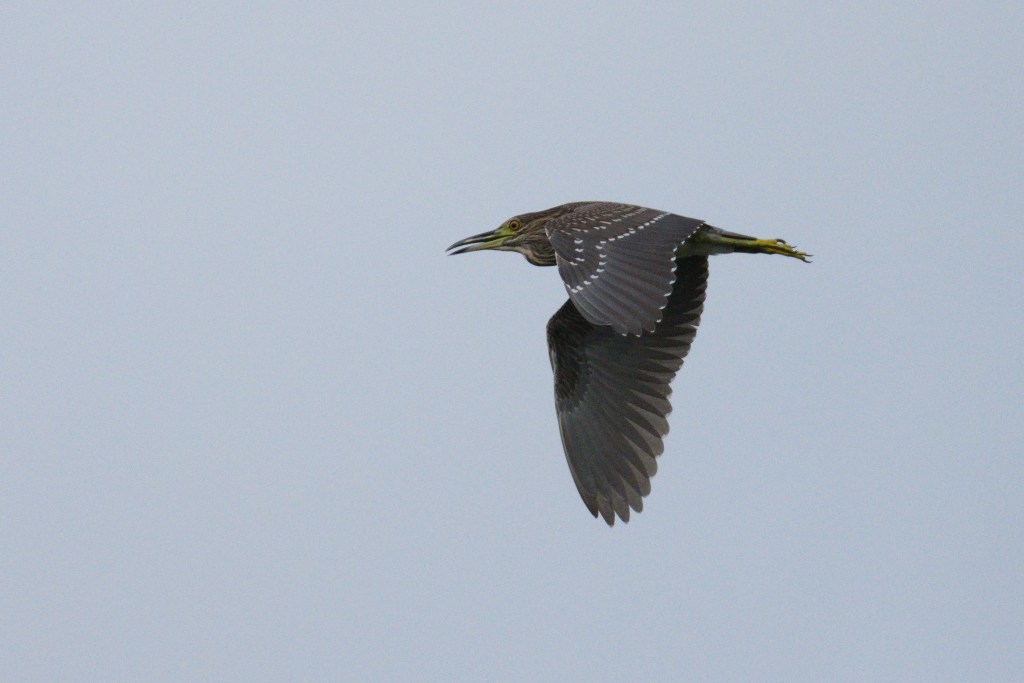
Now that I’m done with my little ramble on swifts let’s get back to the birding! Our next sighting and photo opportunity was a young Black-crowned Night-Heron flying past and giving pretty decent photo opps.

Black-crowned Night-Heron

We then decided to take a bit of a break on the path and relaxed a little after cycling ~7 miles and birding for over an hour. I kept checking for the Pheasant-tailed jacana we had seen here last time, but no luck. A few young Brahminy Kites were circling right near where we were sitting and I had fun trying to snap a few shots of one coming in to join them.

Brahminy Kite

I also tried to get some good photos of the Bronze-winged Jacanas, but no 5 star photos yet.

Not quite sharp, but maybe that’s what I need to expect from handheld shots and a 6 lb lens!

We also saw both a Little and Cattle Egrets taking us to three egret species for the day. The last few times I’ve only seen one or two Little Egrets so it was fun to see a few other species today. And finally as we were starting to head back out we saw our first and only Black Bittern of the day! No decent photo opportunities since it was quite a ways out. It seems they know when I have a good camera and decide not to let me get very close…

A not great shot of one of the coolest bitterns out there!

A waterhen was right out in the open as we rounded the one corner of the trail, and I snapped a few photos but it quickly disappeared and I wasn’t able to get any decent shots because of the angle.

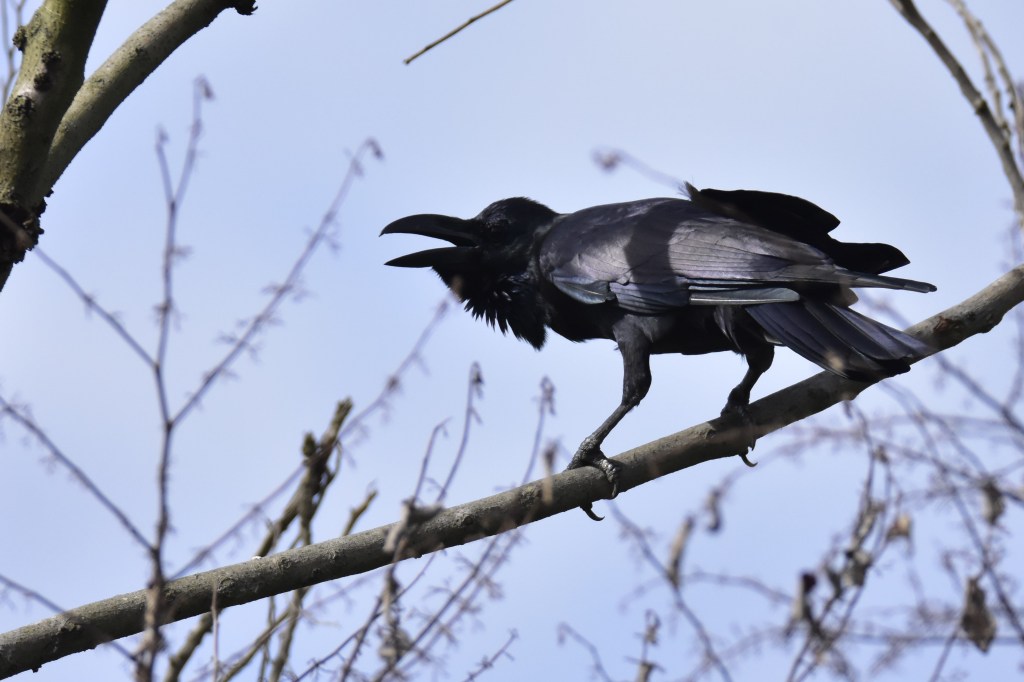
As we headed out we had tried taking a few shots of a loud Large-billed Crow, lighting wasn’t great, but it was cool to get photos showing the thicker feathering on the throat.

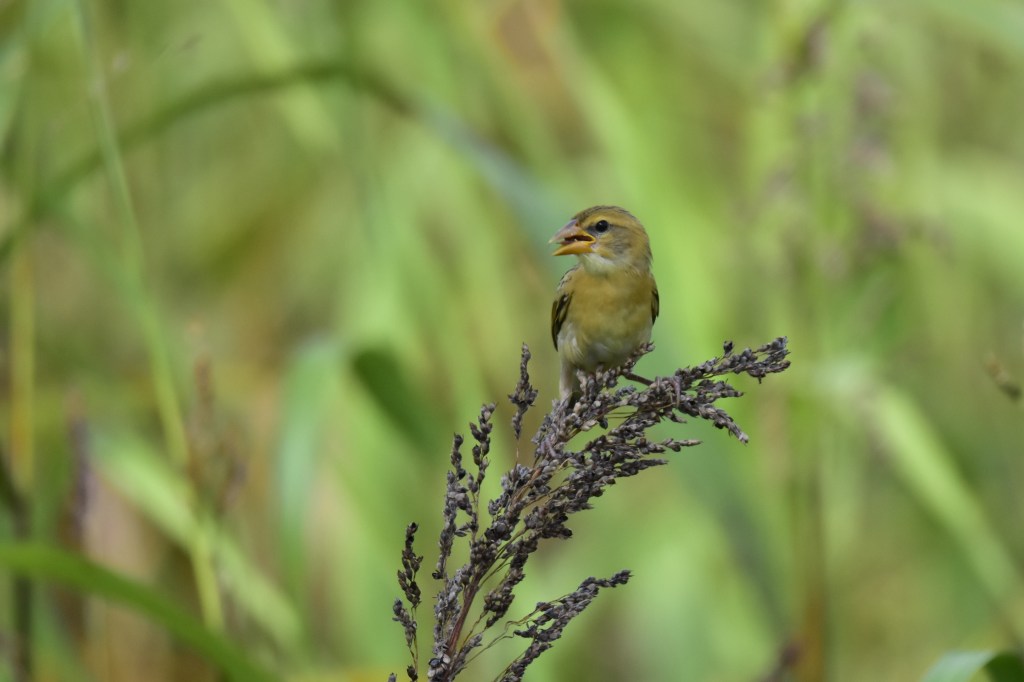
I spent a few minutes trying to get photos of the weavers, but all the images came out a little soft either because of the slightly poor lighting or user error (second is probably more likely…)

Despite the birding feeling pretty slow all day we had reached 46 species by the end which is about par for this time of year at New Vision.
eBird checklist: https://ebird.org/checklist/S71592998

If you enjoyed this post, please subscribe for more. As always, feel free to comment!