I was able to bird New Vision again this weekend. By now it’s getting hot, and the bike ride though only 7 miles is starting to be a bit more wearing. While I was out it was probably mid to upper 80s (F) and thankfully humidity is still down in the 50s, but it’s not too long till we have temps in the low 90s and humidity in the 70s. 🥵
Because Nic decided not to join this time I was able to take his camera and get my own photos for once. Pretty much the first bird was a Pied Kingfisher which posed nicely allowing me my best shots of the species yet!

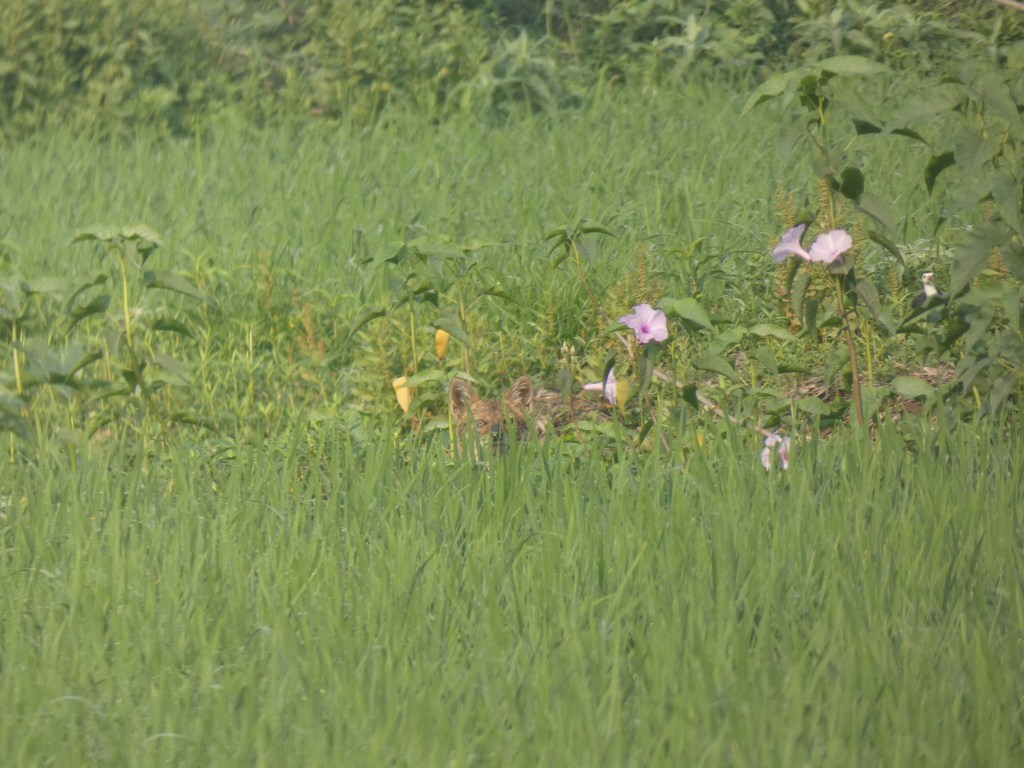
Zitting Cisticolas were very vocal as they did their characteristic flying high and calling, but this behavior doesn’t allow for photos. Wasn’t particularly birdy at the beginning, though I enjoyed two jackals sham fighting (no photos), then another jackal tried to hide from me when it saw me taking his picture.
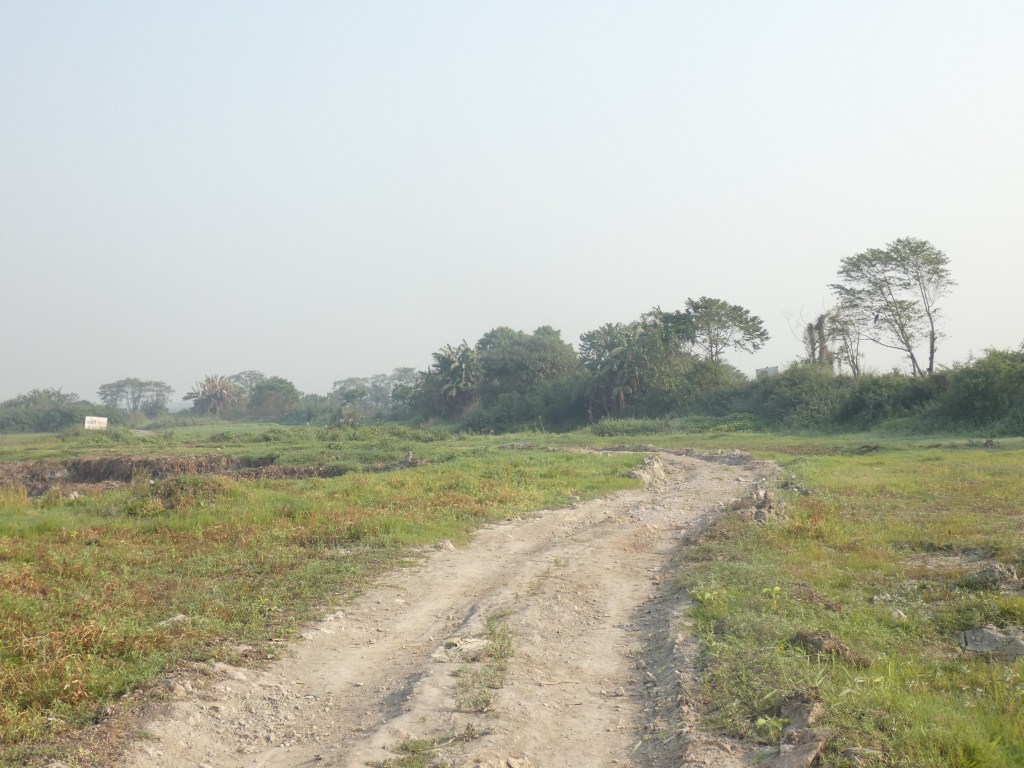
This is fairly close to the entrance and gives you a bit of a feel for what the area is like, though most of the time you are walking trails around small ponds and rice fields.
I noticed a small flock of swallows coming my way and was pleasantly surprised to see they were all Red-rumped Swallows! My highest count for here by three and interesting to see they’re still around despite the Barn Swallows being almost all gone (I only saw one barn swallow!).
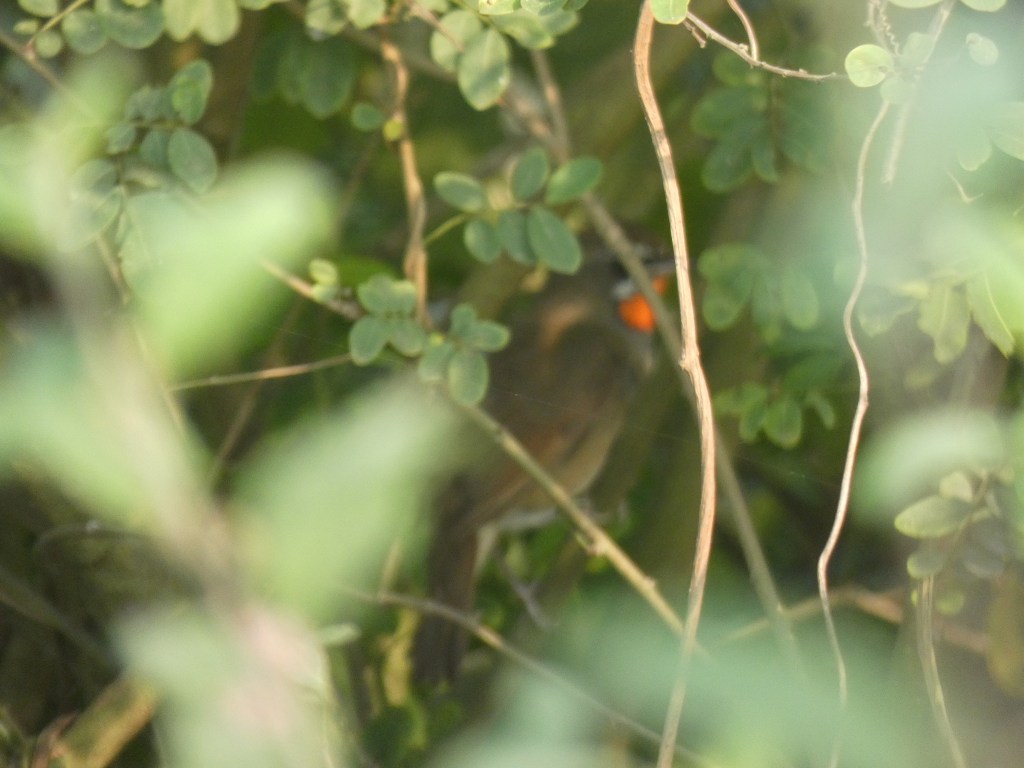
I heard a beautiful song I couldn’t quite place, so I moved towards it and saw a Siberian Rubythroat hop into thicker brush. I tried to thread a shot through the twigs, but failed as you can see.
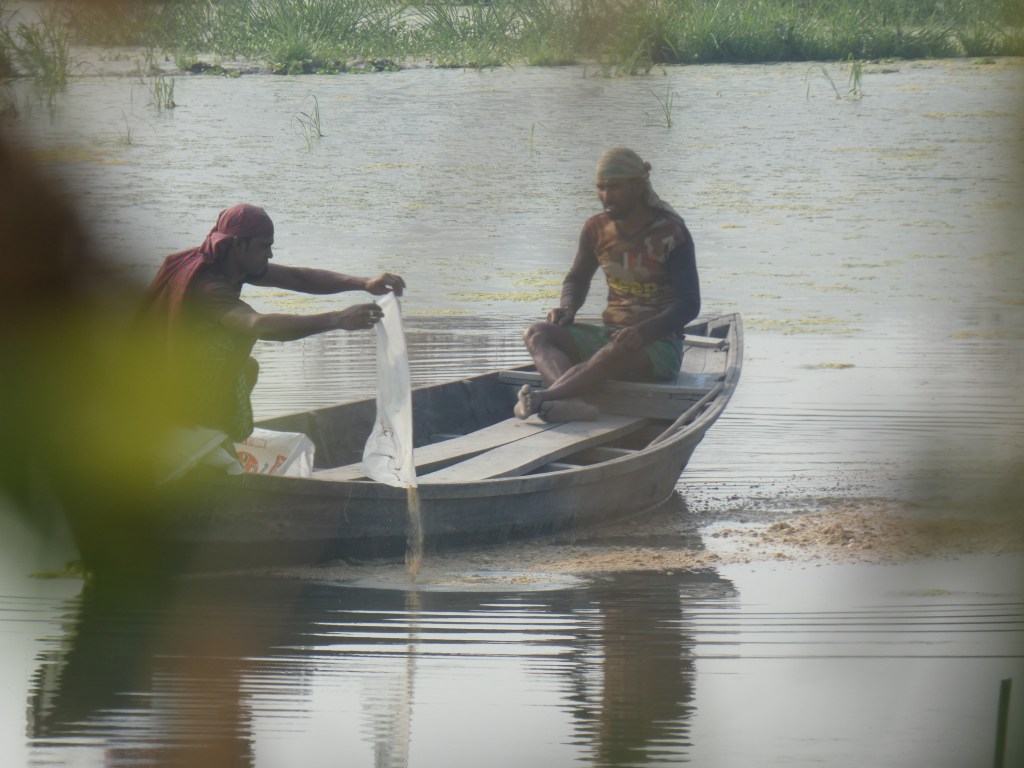
These guys were dumping something into the water. Have no idea what, though.
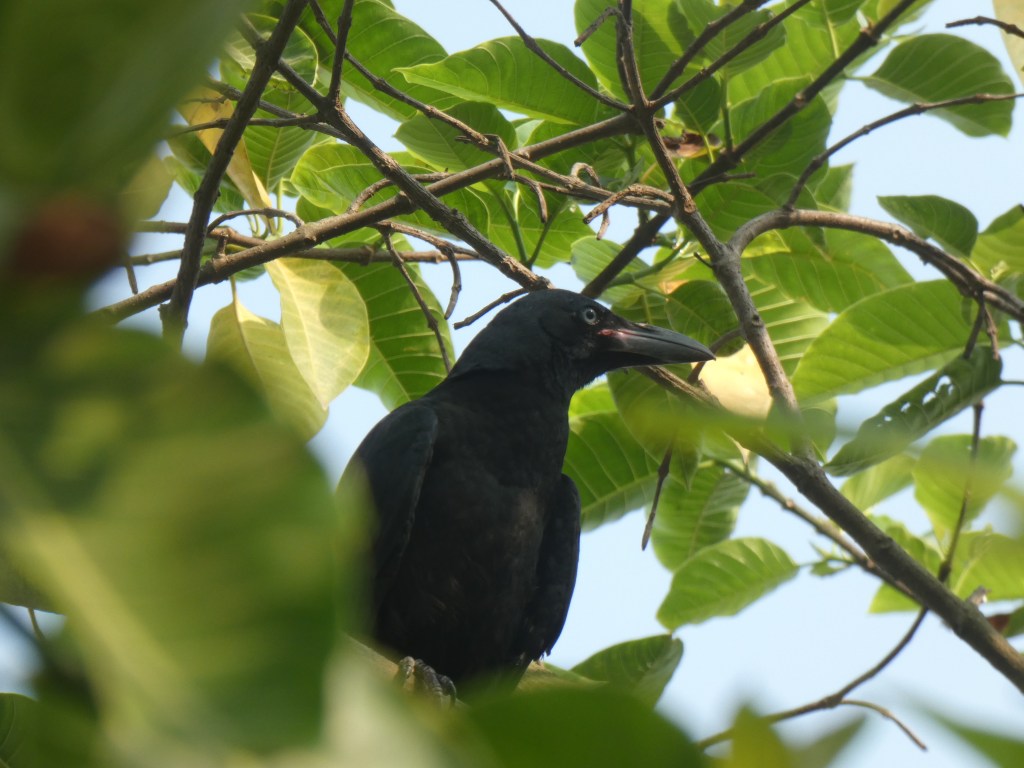
Found my first young bird of the year, a Large-billed Crow. I had seen them on a nest two weeks ago and noticed it was empty today, but didn’t necessarily expect to find them.
Birding was fairly slow, so I kept an eye out for insects as well.

https://www.inaturalist.org/observations/39917538
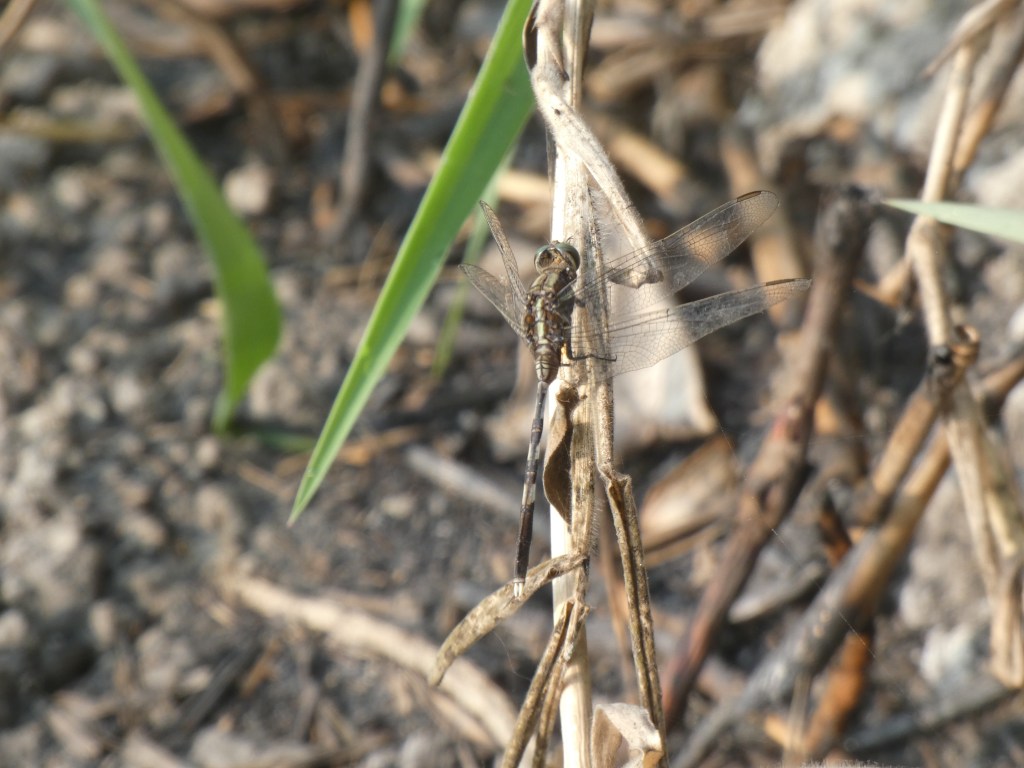
https://www.inaturalist.org/observations/39917537
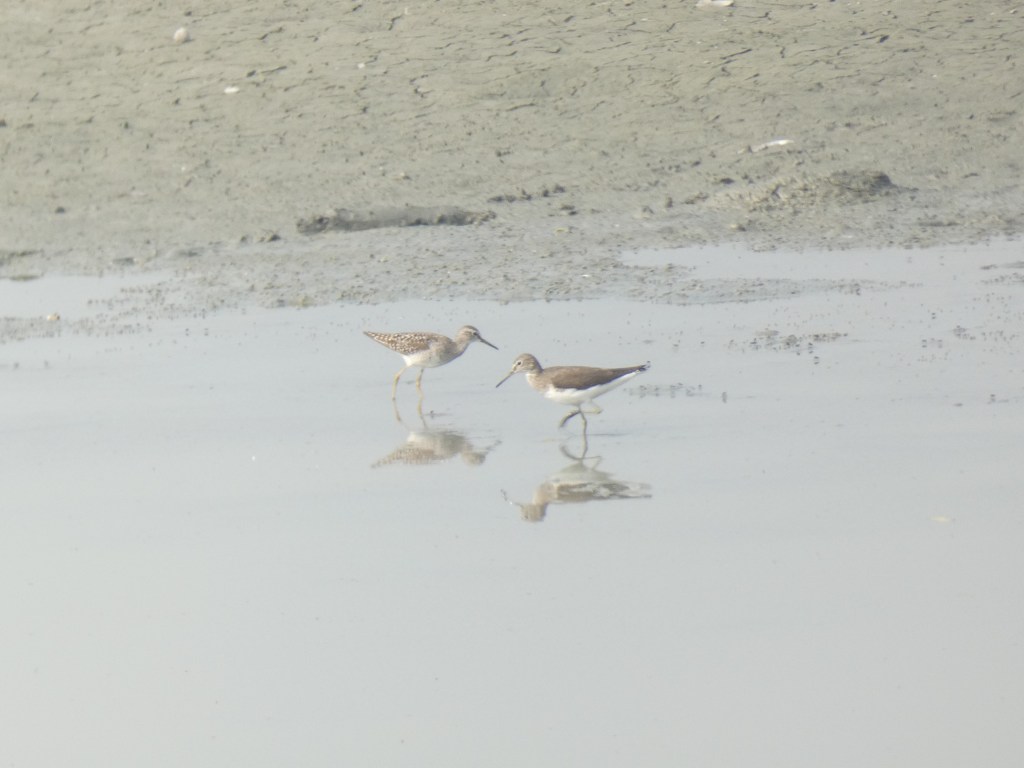
In the one rice field I saw the only Common Sandpiper of the morning, and the nearly dried up pond had many Indian Pond Herons, a few Wood Sandpipers, one Green Sandpiper, and two Little Ringed Plovers. The bushes in the middle held at least 50 Little Cormorants and the two resident Striated Herons also made their appearance in the general area.
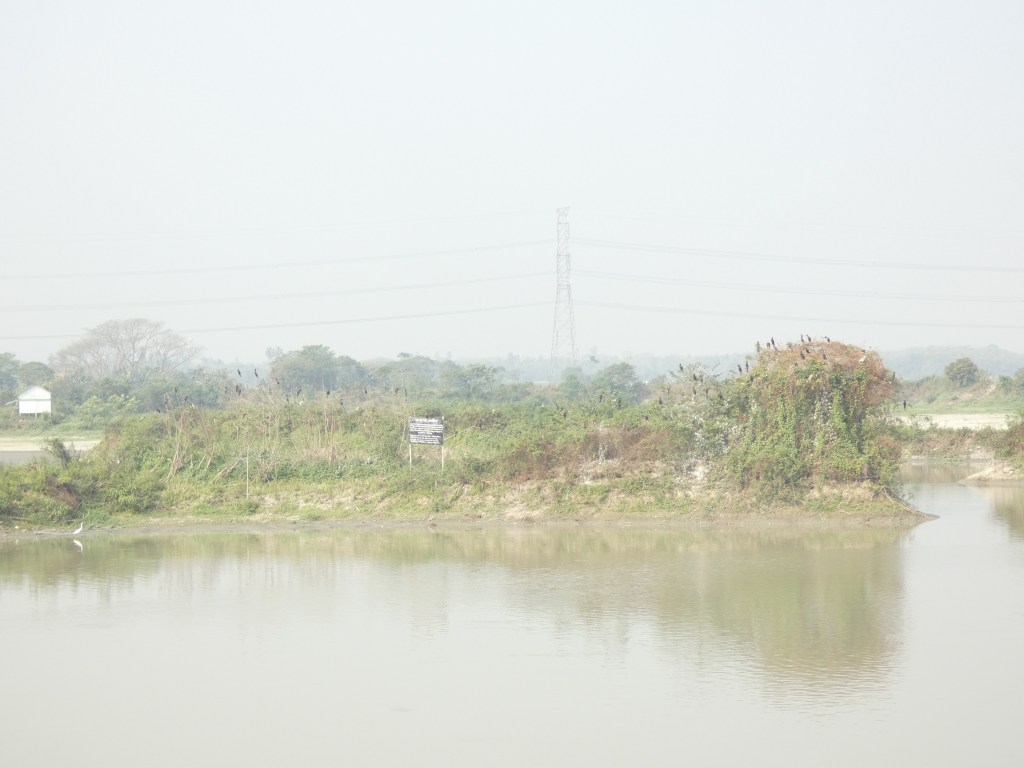
The row of okra plants always hold some small birds. Earlier in the season this was the most reliable spot to find the rare Booted Warblers (rare in BD, but they’ve wintered at this location the last three years), but this morning only two of the many resident Plain Prinias and some unidentified Skimmer (dragonfly) were there.
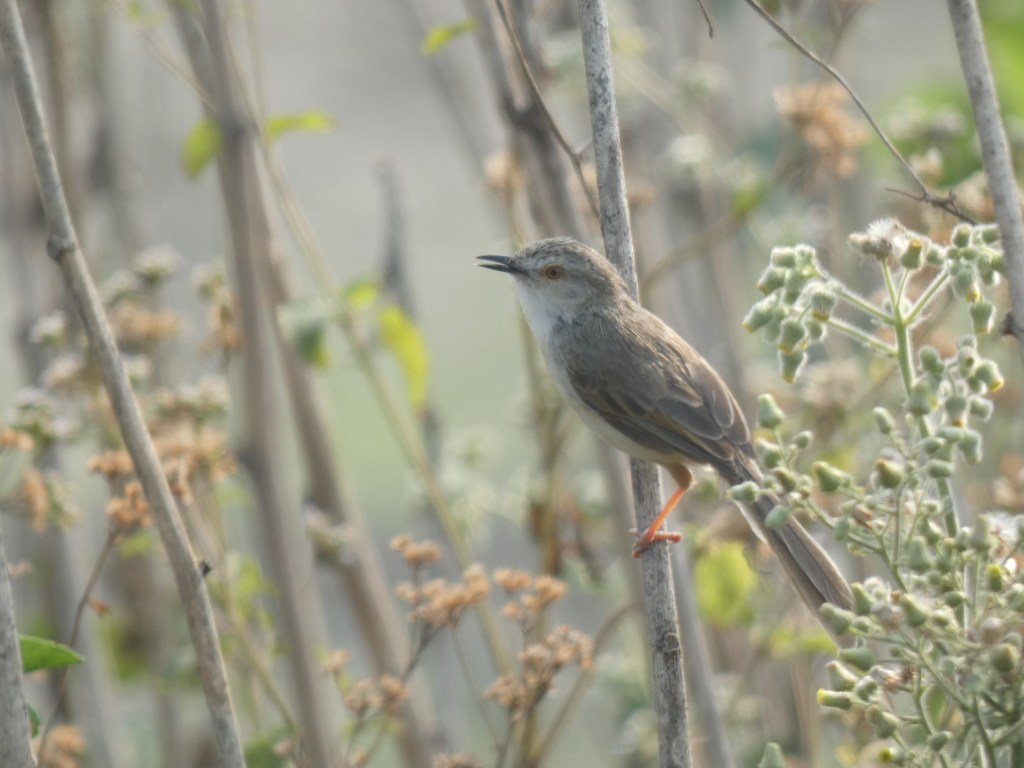
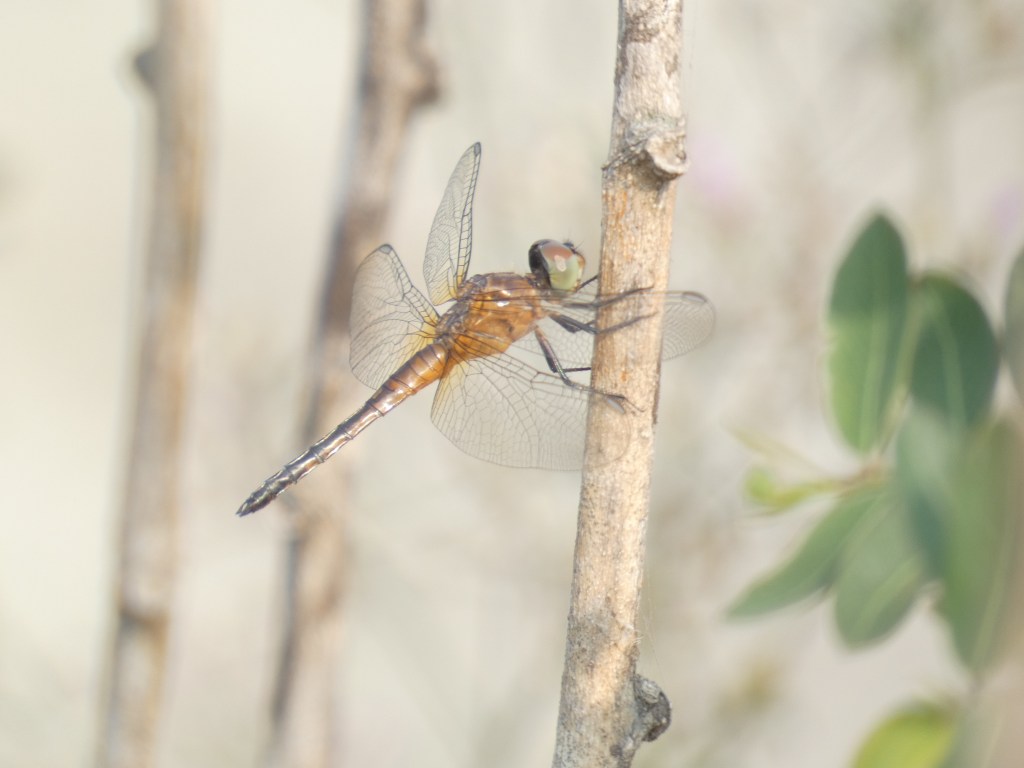
https://www.inaturalist.org/observations/39917545
This time I decided to take the path a little farther than I usually do and ended up being glad of this decision. First up was a Eurasian Wryneck. I had thought these had already left, but apparently not.
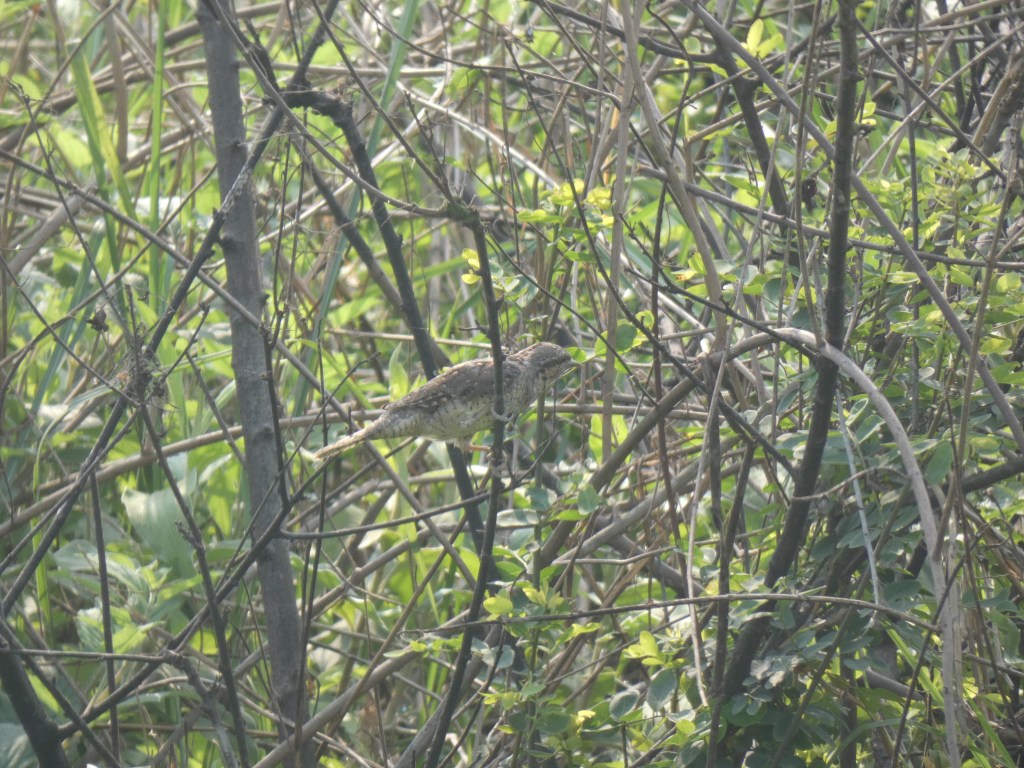
Not so great shot of a cool looking bird.
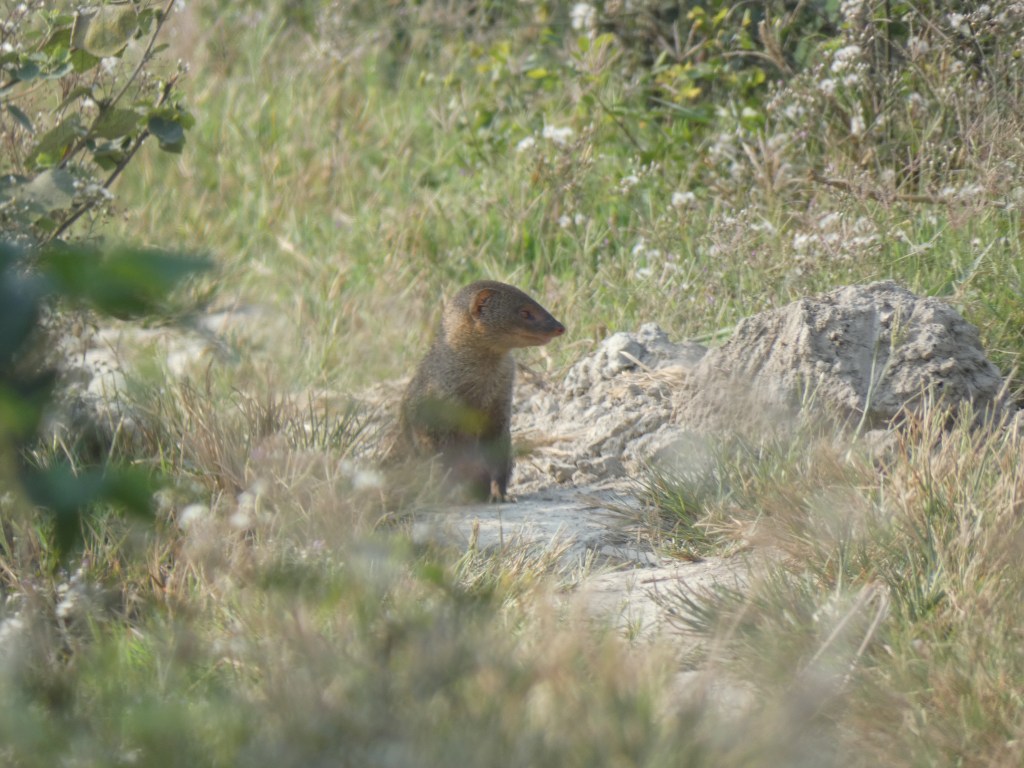
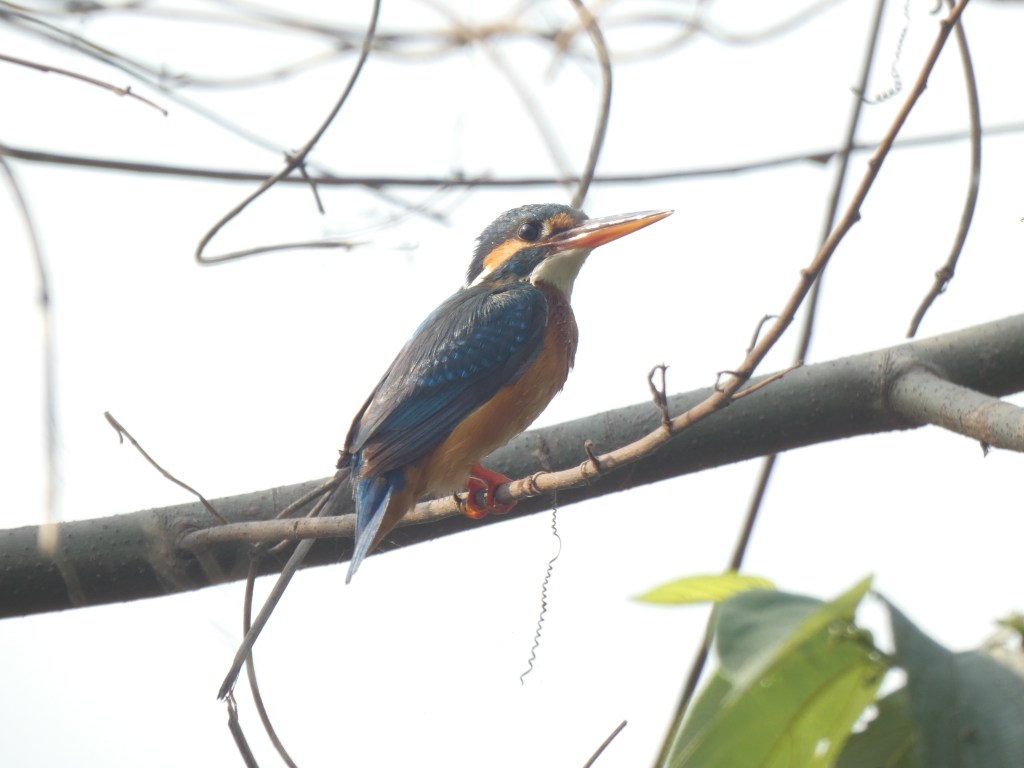
A Common Kingfisher gave me great close up views, though the pictures didn’t turn out well because the lighting was bad.
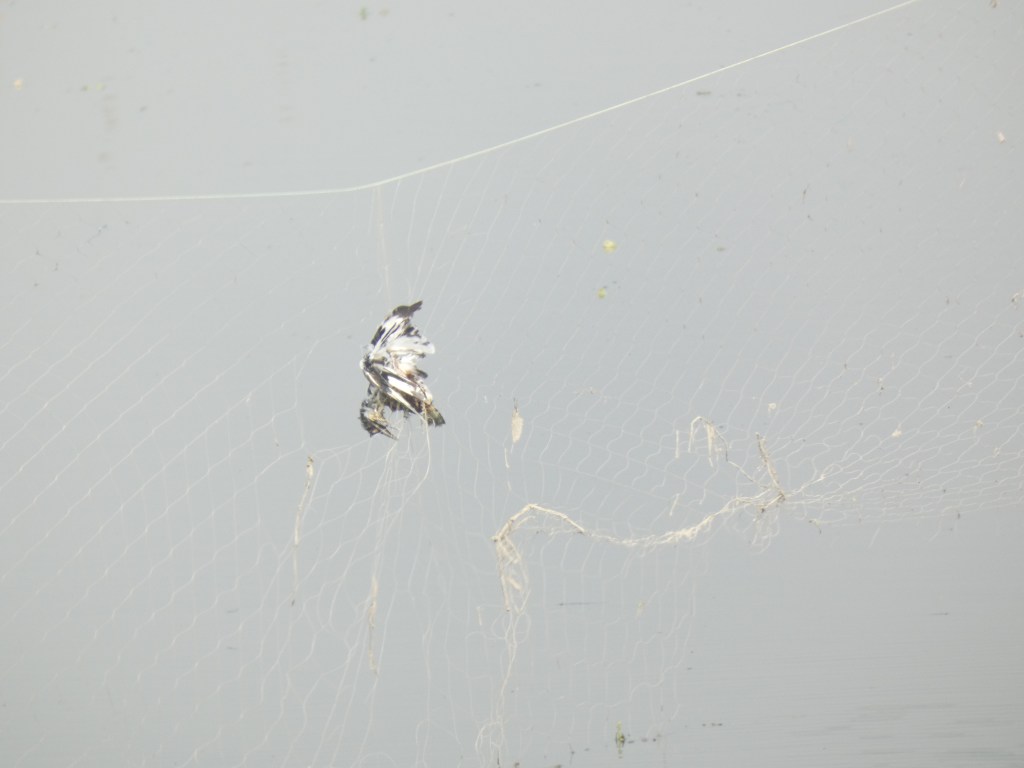
Worst part of the day was finding this Pied Kingfisher dead stuck in a net put up to keep the birds off the water.
I noticed a bunch of wagtails out in the rice fields, and with how many it was I was guessing they were yellow wagtails. Recently it was discovered that both Eastern and Western are possible in Bangladesh instead of only Western. They’re very hard to separate especially in nonbreeding plumage, Eastern has darker ear coverts than crown and no subocular stripe whereas Western has ear coverts concolorous with crown and a subocular stripe. But the most reliable way to differentiate is by calls. Soundbirding has good article that can help with ID by calls.
When we had discovered that both are possible I went back through my photos and videos from last March and found that a large flock from here was actually Eastern! Since the status of both species here is now somewhat unsure it’s fun to try to get good enough photos and recordings to ID them. This flock of wagtails was indeed yellow wagtails, but I’m still not sure which. I got some bad quality phone recordings of their flight calls which should hopefully do the trick, but I need one of the experts to confirm. For now they are down as Western/Eastern Yellow Wagtail.
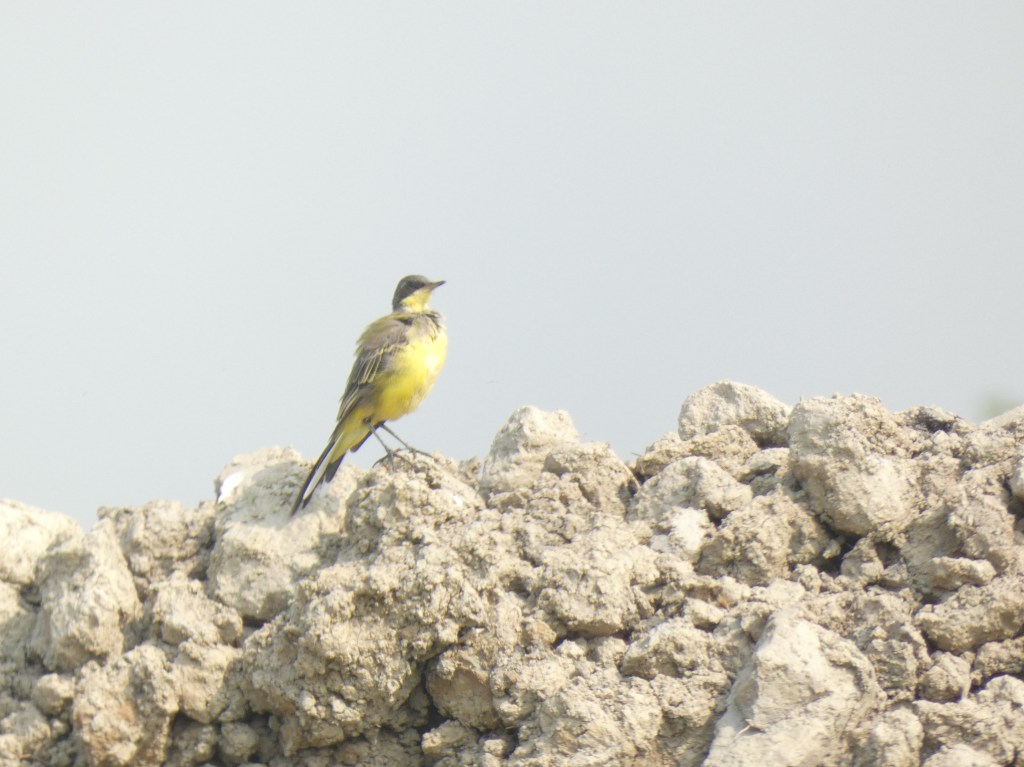
The above photo is only one of the many I took of varied individuals. If you want to see photos of others or listen to the recording you can check out the eBird checklist linked at the end of the post.
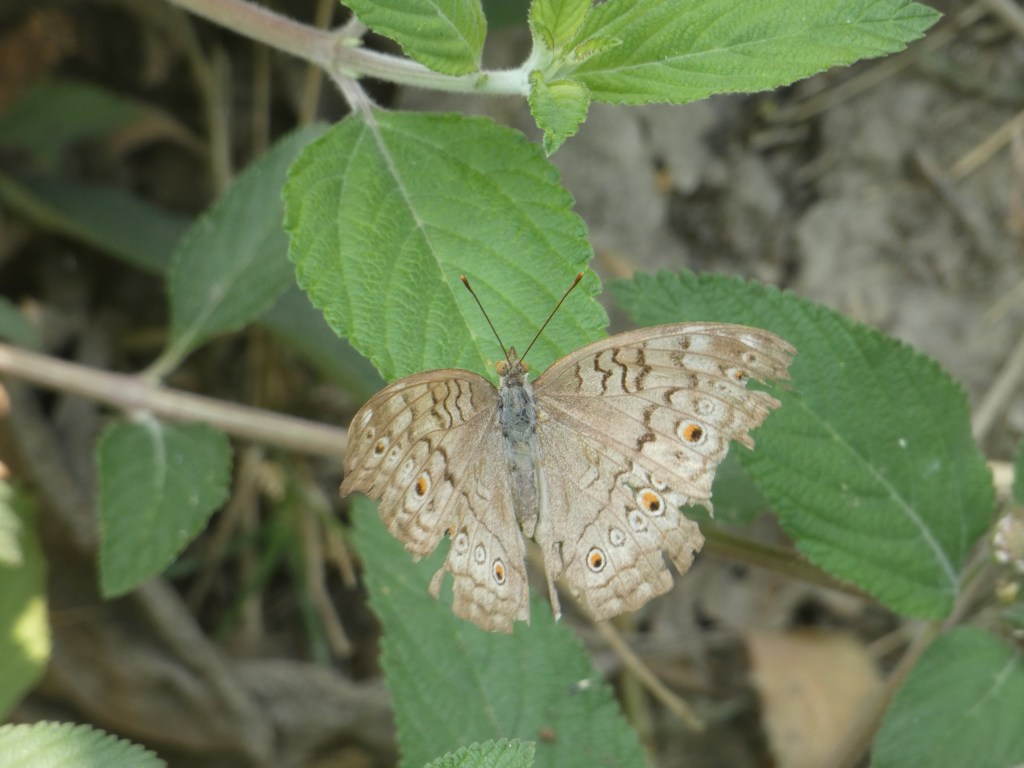
After spending enough time walking those ridiculously narrow paths in the paddy fields and trying to keep from falling into the water (Rice is grown in several inches of water) and after spending enough time following the wagtail flock I decided to head home as it was getting quite hot. I didn’t see much on the way back except one of the many rats, a few Citrine wagtails coming into breeding plumage, and a Grey Pansy (butterfly).
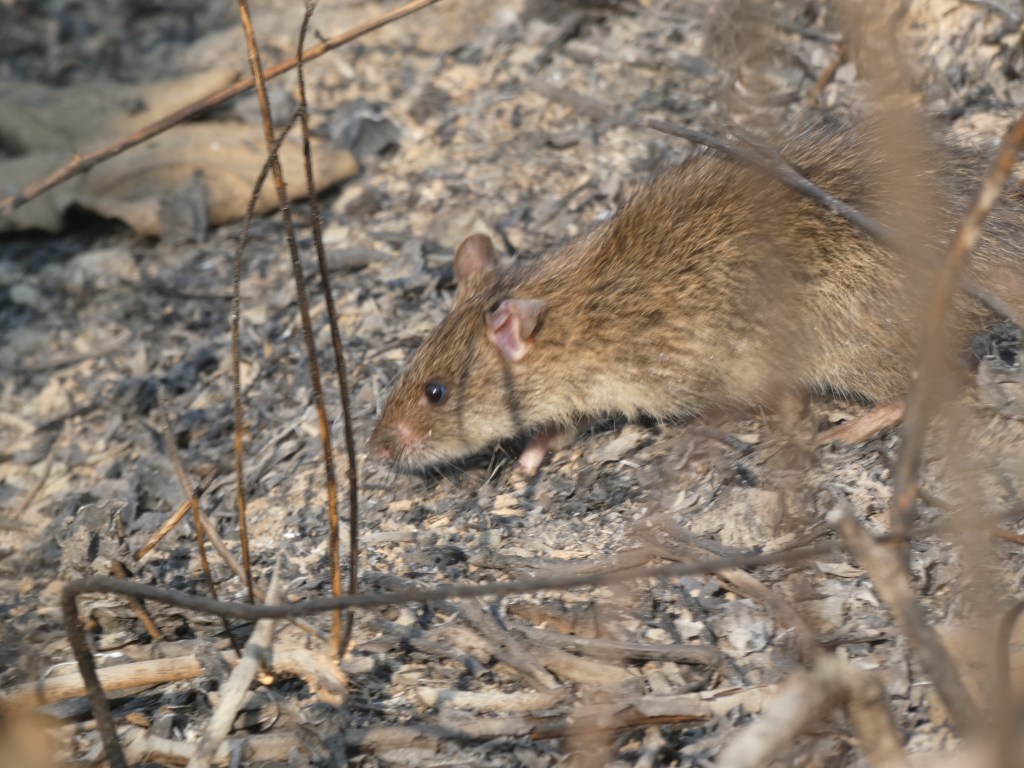
I know you can find Bandicoot rats here, but I’m pretty sure this is just a Brown Rat.

Right near my bike I found a pile of black feathers that I don’t think had been there earlier in the morning. I uploaded it to iNaturalist and they were identified as the remains of a Little Cormorant. Hopefully it wasn’t another case of people illegally hunting the local birds here, but I don’t really know.
As I unlocked my bike a Eurasian Kestrel flew past to round out the morning at 52 species. Not too bad for mid March.
eBird checklist: https://ebird.org/checklist/S65734521
If you enjoyed this post, please subscribe for more. As always, feel free to comment!
 BirdingBDandBeyond
I always love to see the Pied Kingfisher. This blog post brings back fond memories of either February 2019, or January 2018, when we birded this site ! So it goes when you get older! 🙂 I saw at least 4 new birds in Nicaragua, in February, though I haven’t positively identified them. It’s been busy around here. Happy Birding, “Grandpa!”
LikeLiked by 1 person
Yep, it was February 2019 when we went there. That was the first time I’d been there and I’ve gone 19 times since and seen 111 species!
Nicaragua sounds fun! Birding Central America is definitely on my bucket list, though Costa Rice would be my preferred destination. I’ve visited El Salvador, but before I was way into birding like I am now. I did get 15-20 lifers still though.
If you need help IDing your birds from Nicaragua (or anywhere else) I can probably help. 🙂
LikeLiked by 1 person
Thanks, heaps! One problem is that I gave my camera and long lens to Austin, so only have my mirrorless Sony, to record birds for identifying later! 🙂
LikeLiked by 1 person
Are you coming to BD next winter? It would be fun to go birding if you do. I’ve got several places I’m hoping to go outside of Dhaka next winter.
LikeLike