COVID-19 has been shaking the world, but if you have your trust put in the right place you need not have any fears! Thankfully coronavirus isn’t too bad here yet, and since I bike to New Vision it was fine to continue birding because I would not be using public transportation as most birders do to get there.
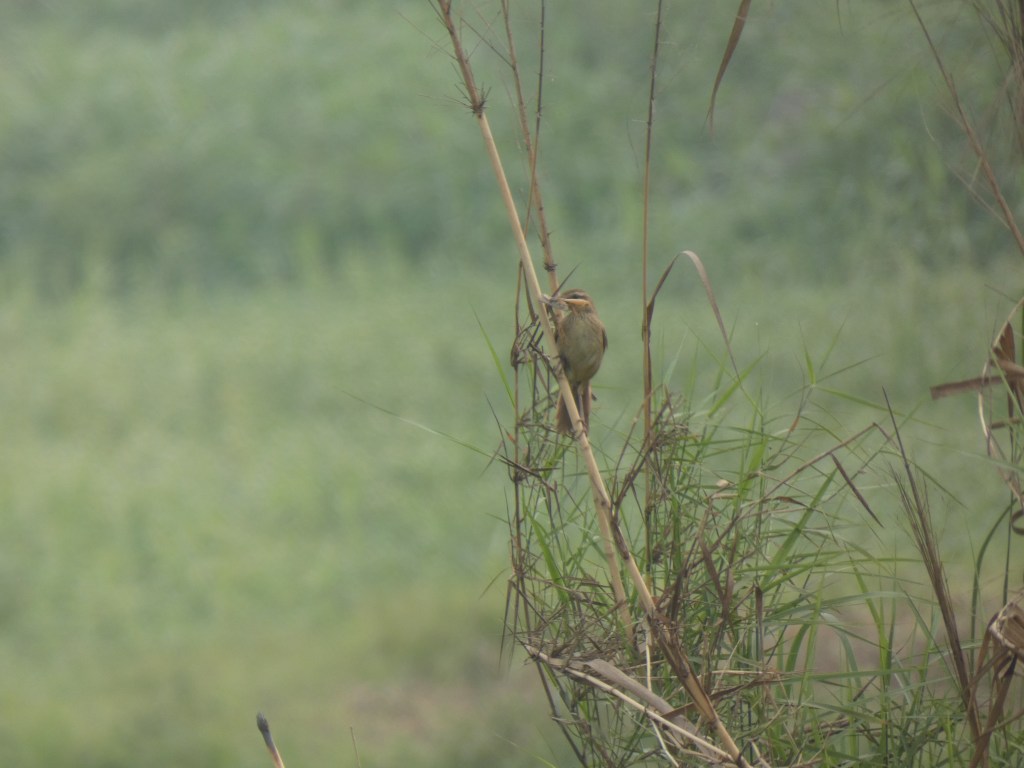
As usual birding was fairly slow at the beginning, since the birding habitat isn’t the best right at the beginning. A pair of Striated Grassbirds were very active and singing beautifully. One perched decently for me, though lighting wasn’t great. The other flushed from the edge of a small field as I walked along it.

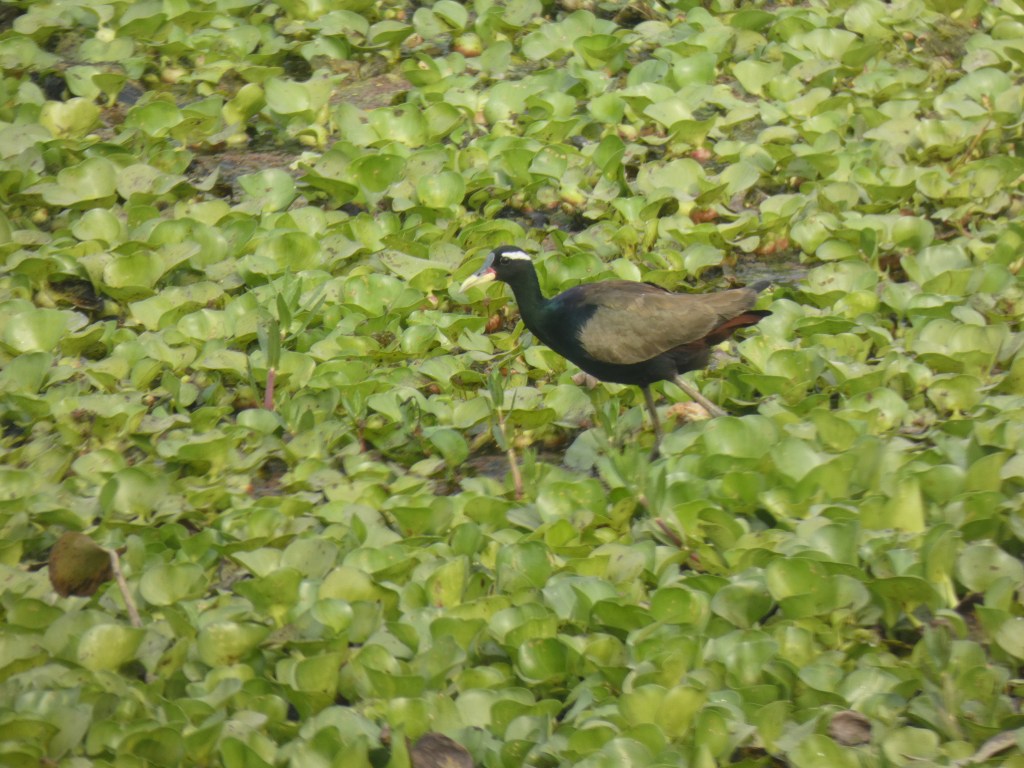
There were a few Bronze-winged Jacanas in the what was left of one of the large ponds, and at least 20 Little Cormorants were perched in two low trees by the water.
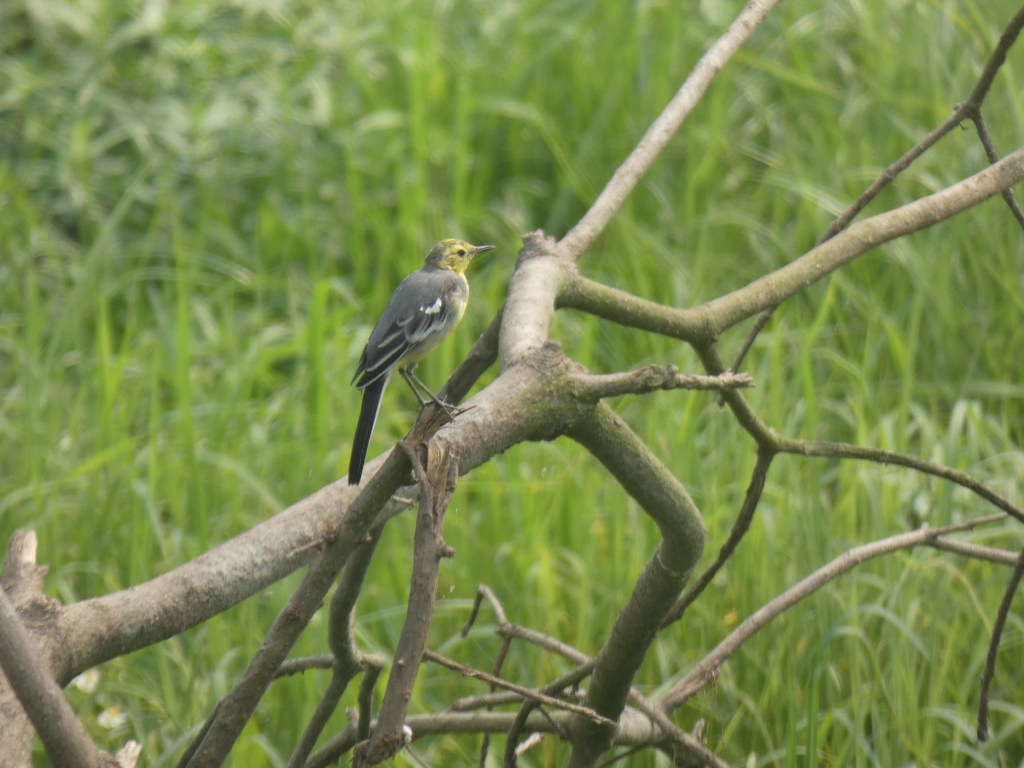
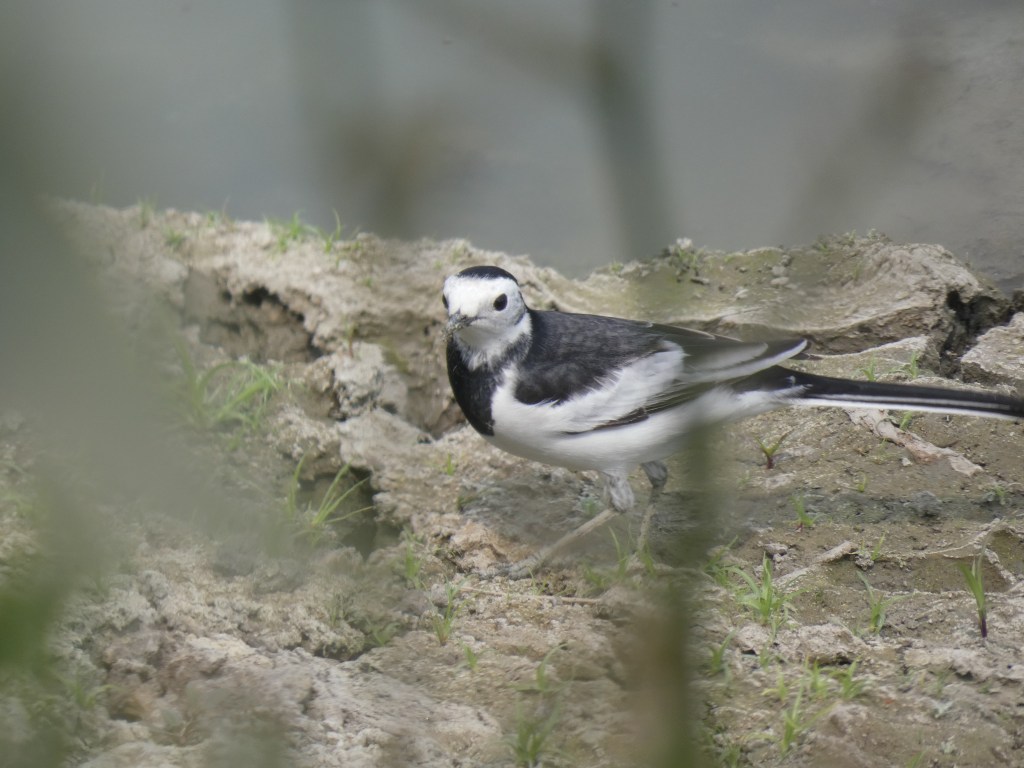
Citrine wagtails are finally in the breeding plumage, and boy are the gorgeous! The adult males never let me get very close though…

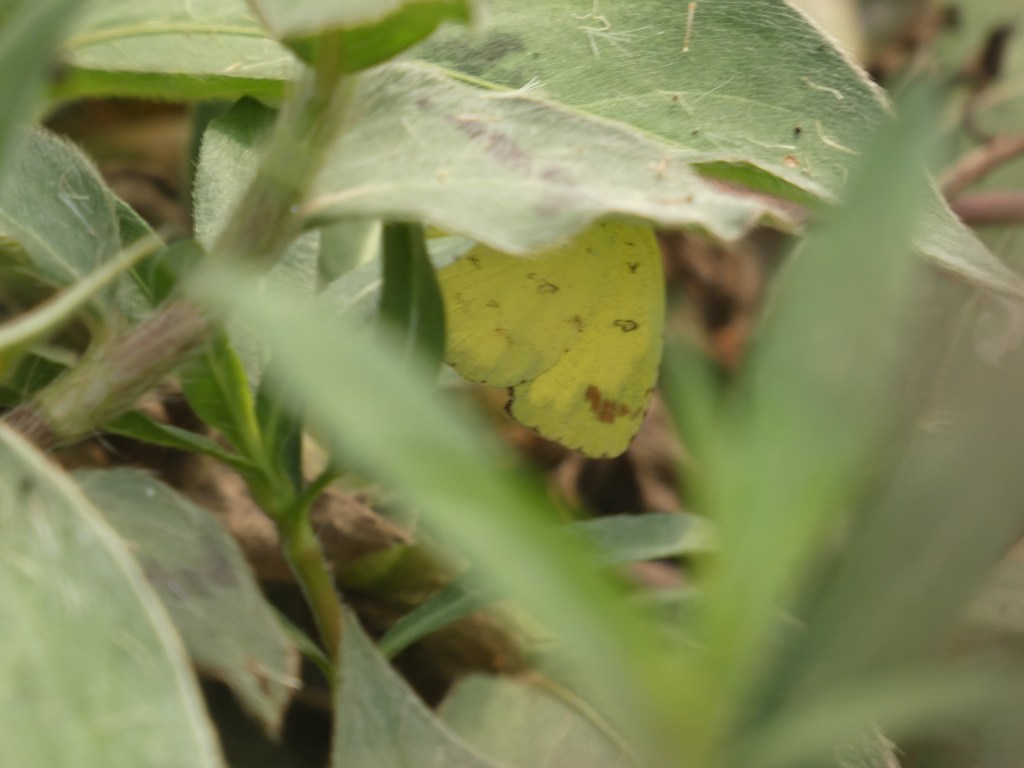
One section of the path has a lot of low bushes and flowering plants that attract the butterflies. I tried to get photos of the Common Grass Yellows (butterflies) that were around there, but I had obviously forgotten how slowly you need to move for butterfly photos… The only one that didn’t fly off when I approached was hiding under a leaf.
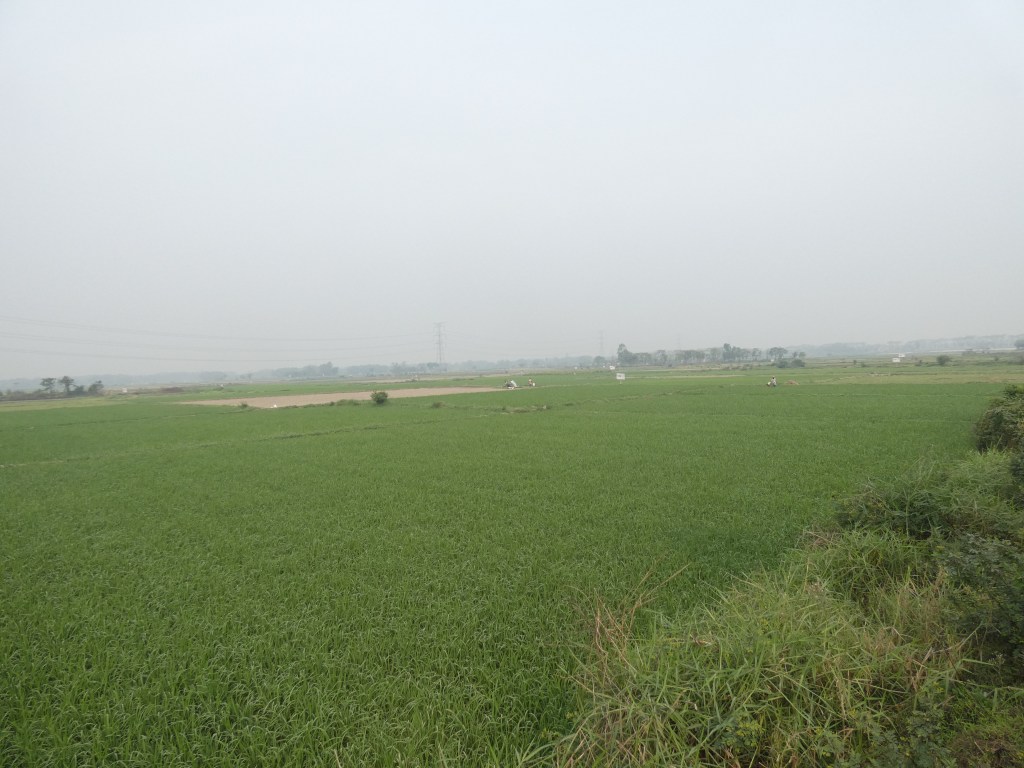
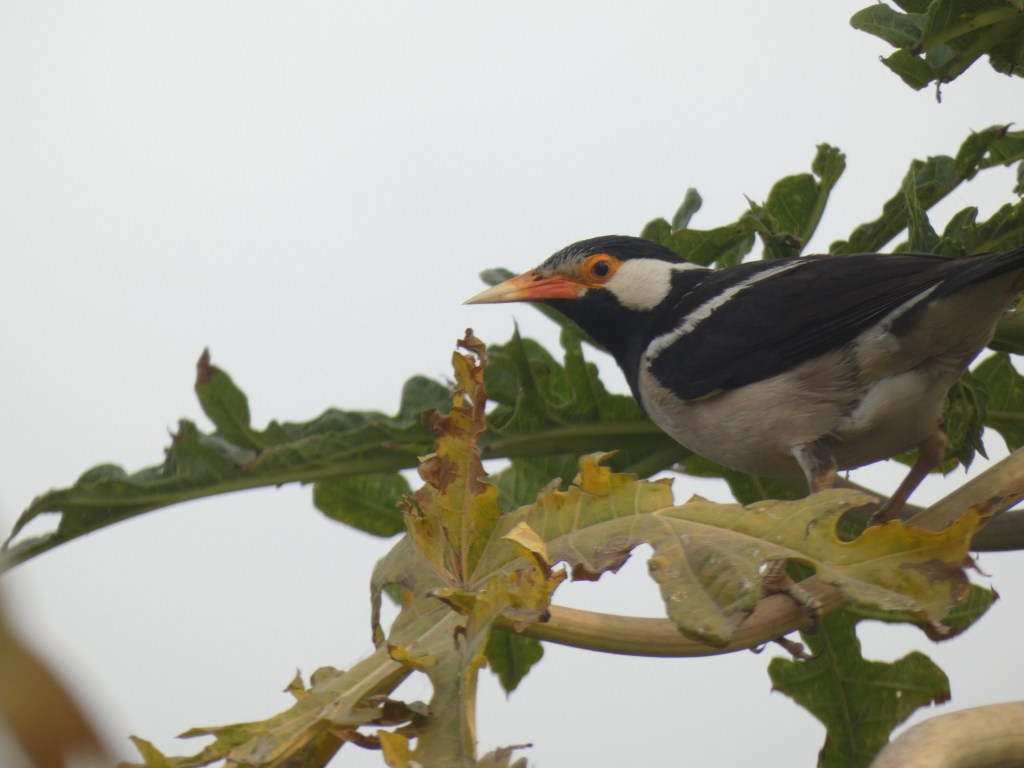
I checked the row of trees where I saw Brown Boobook once, but didn’t find it for the umpteenth time in a row… An Asian Pied Starling posed decently for a picture in that stretch of trees.
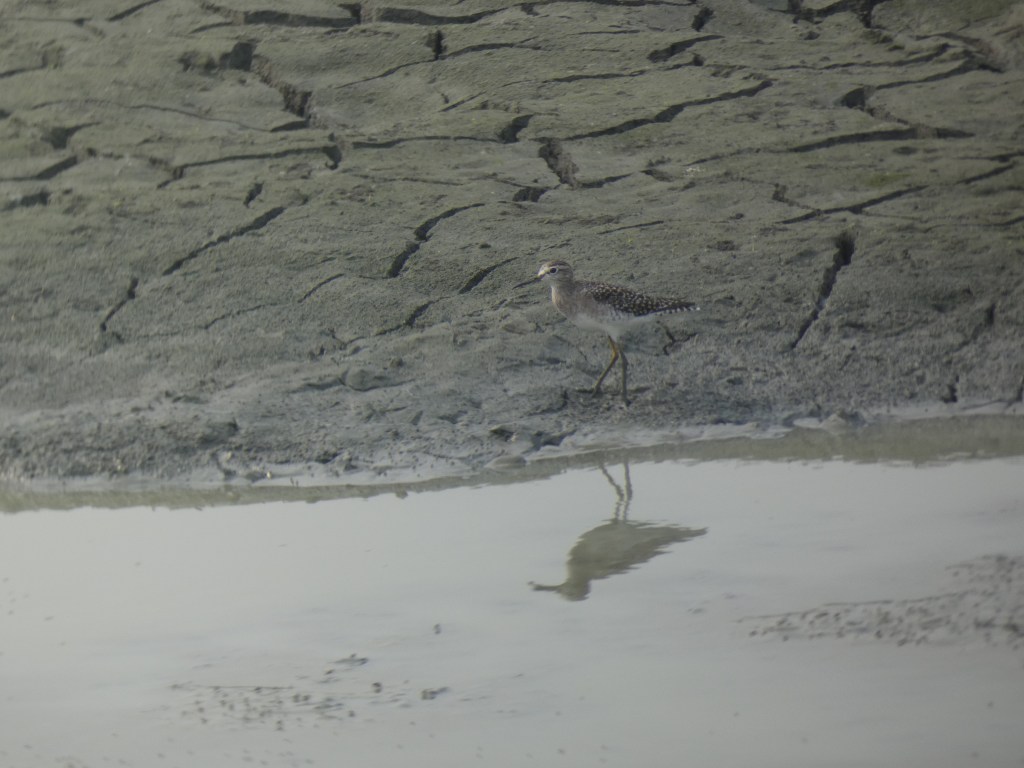
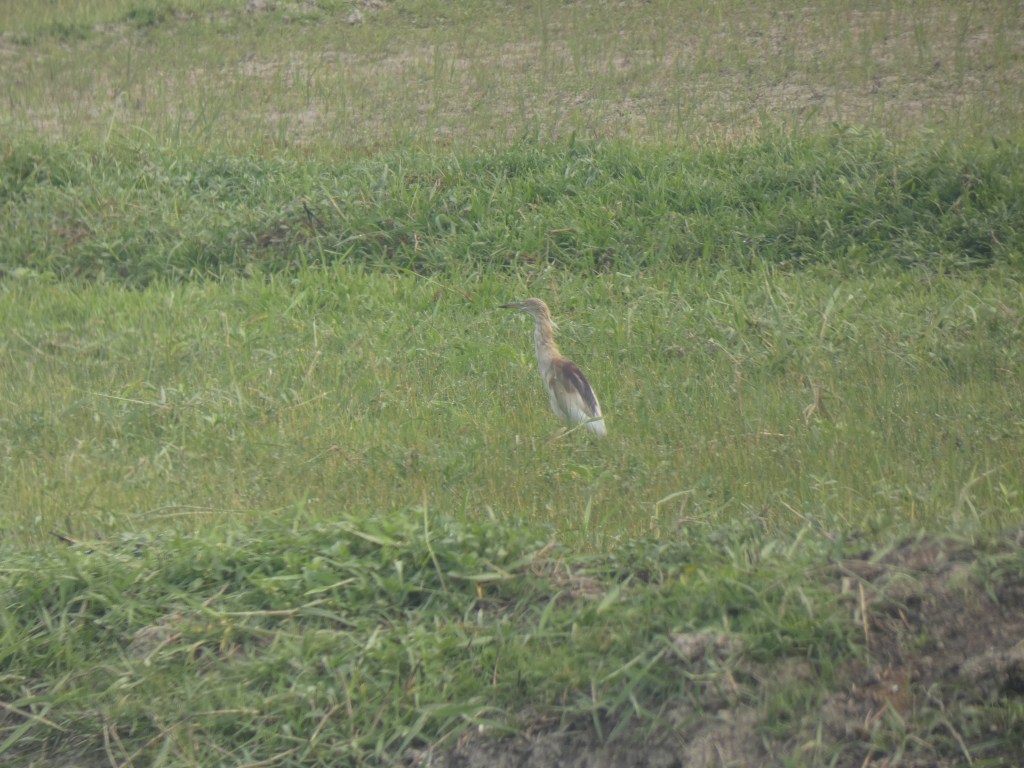
As usual there were a few waders in the main pond area. Loads of Indian Pond-herons, but also a Green and Wood Sandpipers, and a Little Ringed Plover or two.
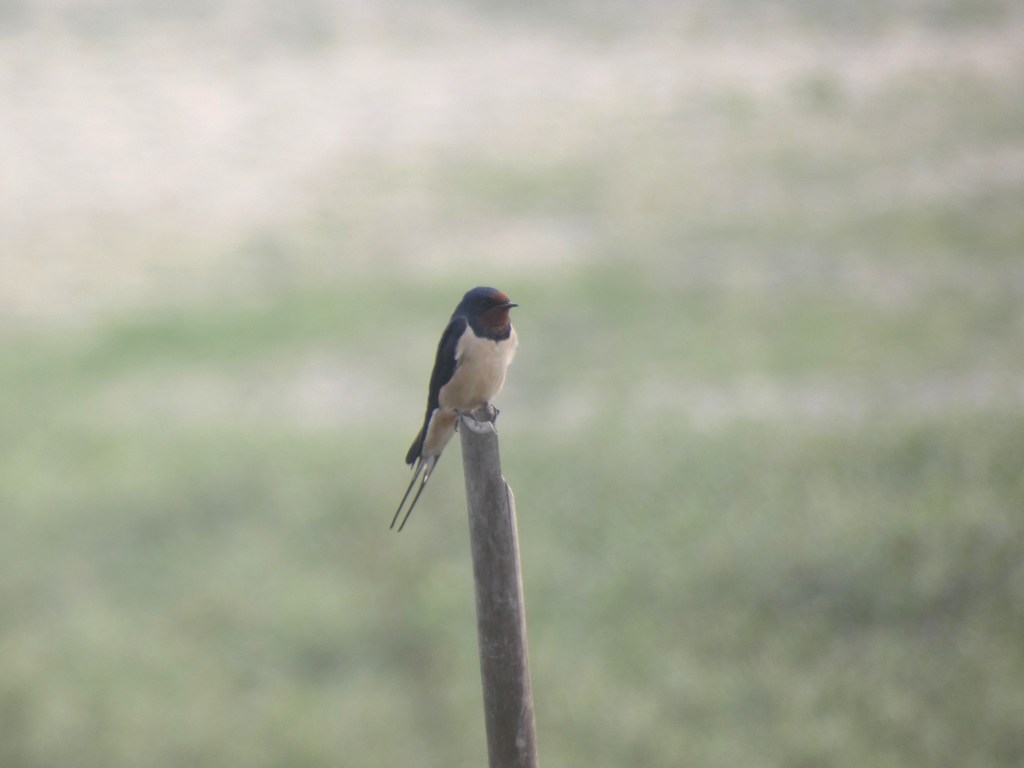
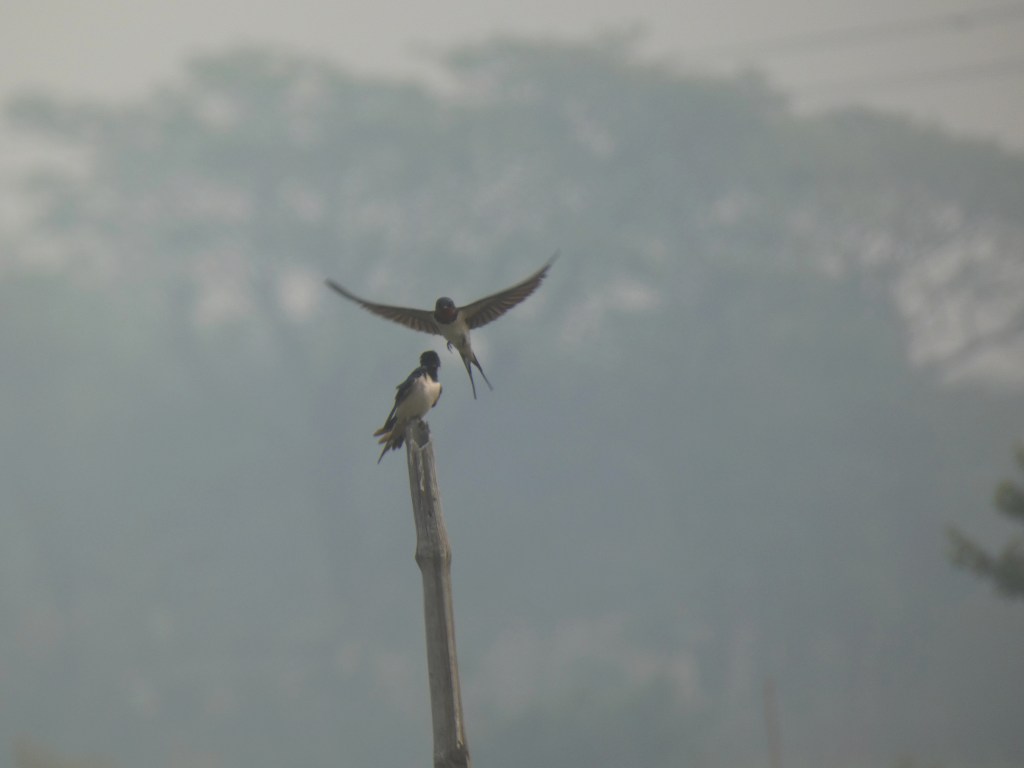
A few barn swallows were perched on poles, and fighting over them some of the time.
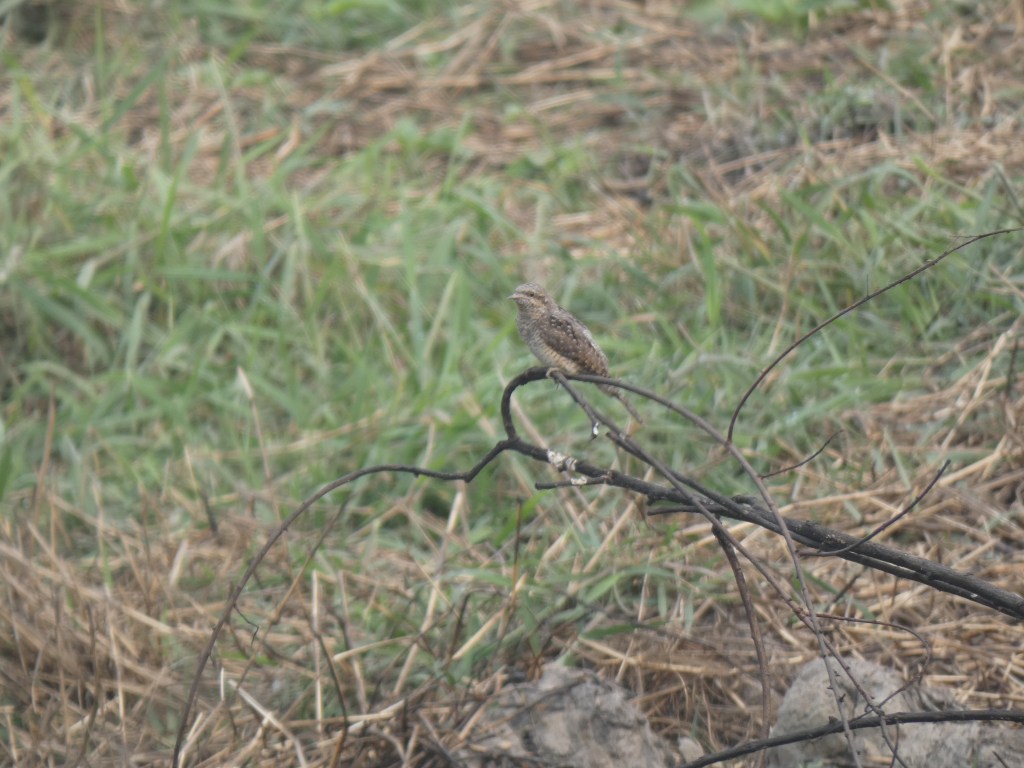
There were also two or three Eurasian Wrynecks nicely out in the open beside the path. They wouldn’t let me get very close though.
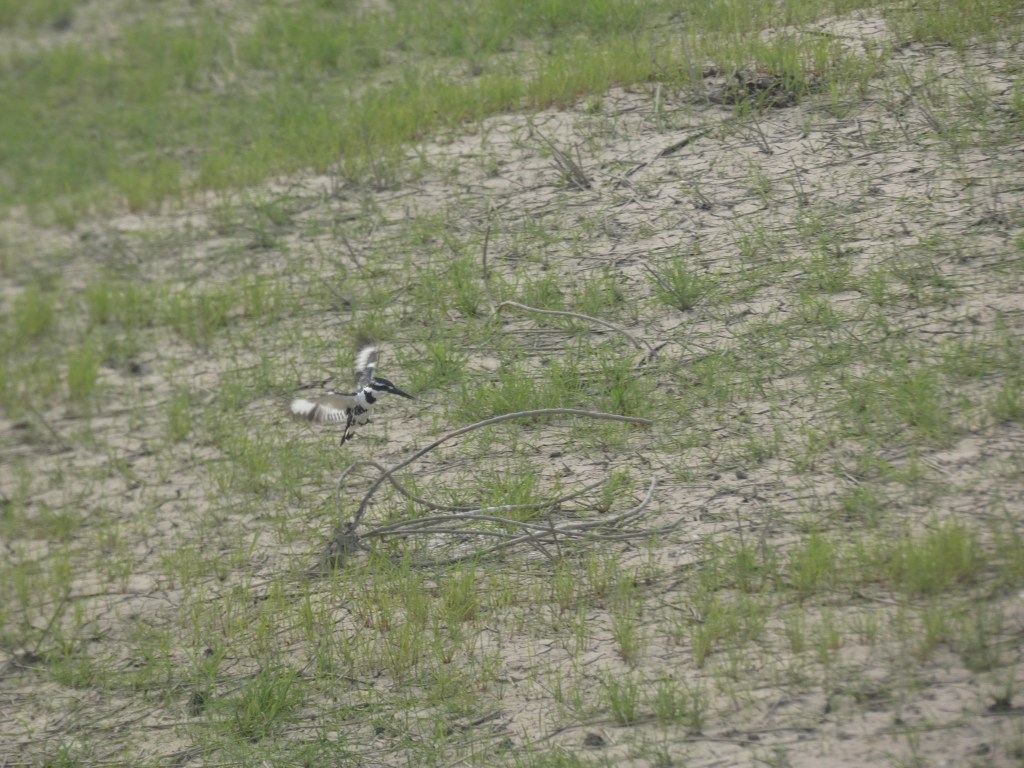
I checked the pond farthest back, but this time it was completely drained out… There were a number of swifts and swallows circling there though. Including what looked like a martin. Both Collared martins (Bank Swallows) and Grey-throated Martins were super common earlier this winter, with up to 300 or so the one day, but I haven’t seen any for several weeks now. Also had the Pied Kingfishers back here as usual and an Asian Pied Starling building its nest.
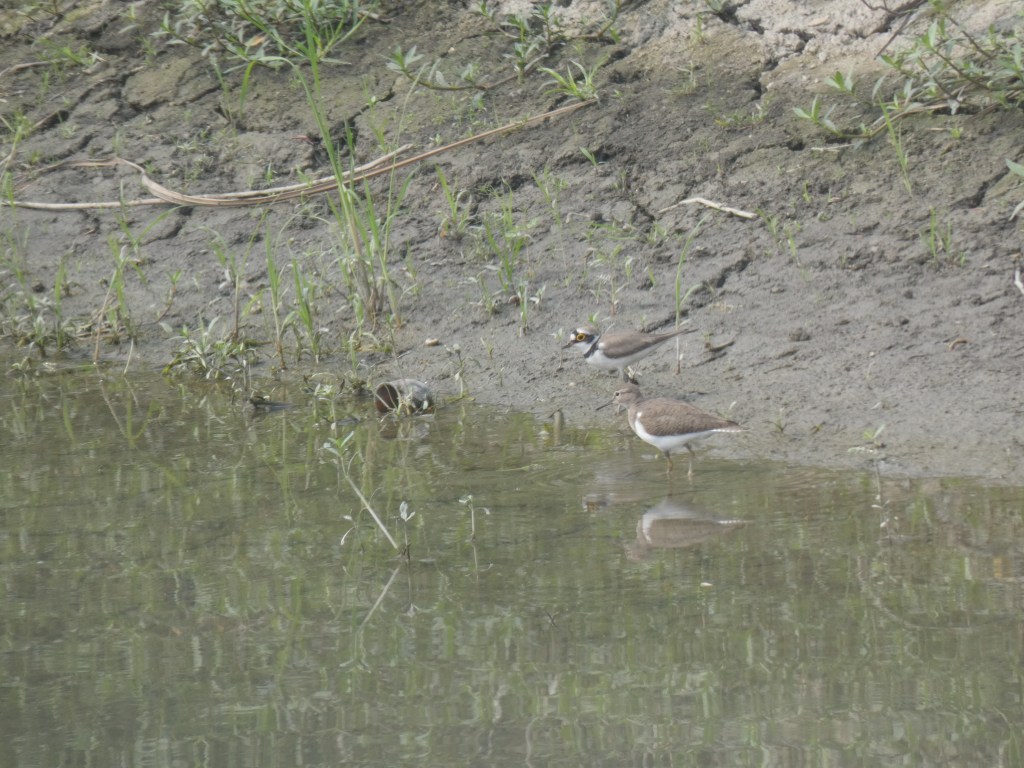
Coming back from the pond I had a Little Ringed Plover, Common Sandpiper, and Citrine Wagtail on the edge of the small pond where the swallows had been perching. Unfortunately just as I was leaving I saw some locals coming to catch all the fish from that pond, meaning they will also probably pump all the water out to plant crops…
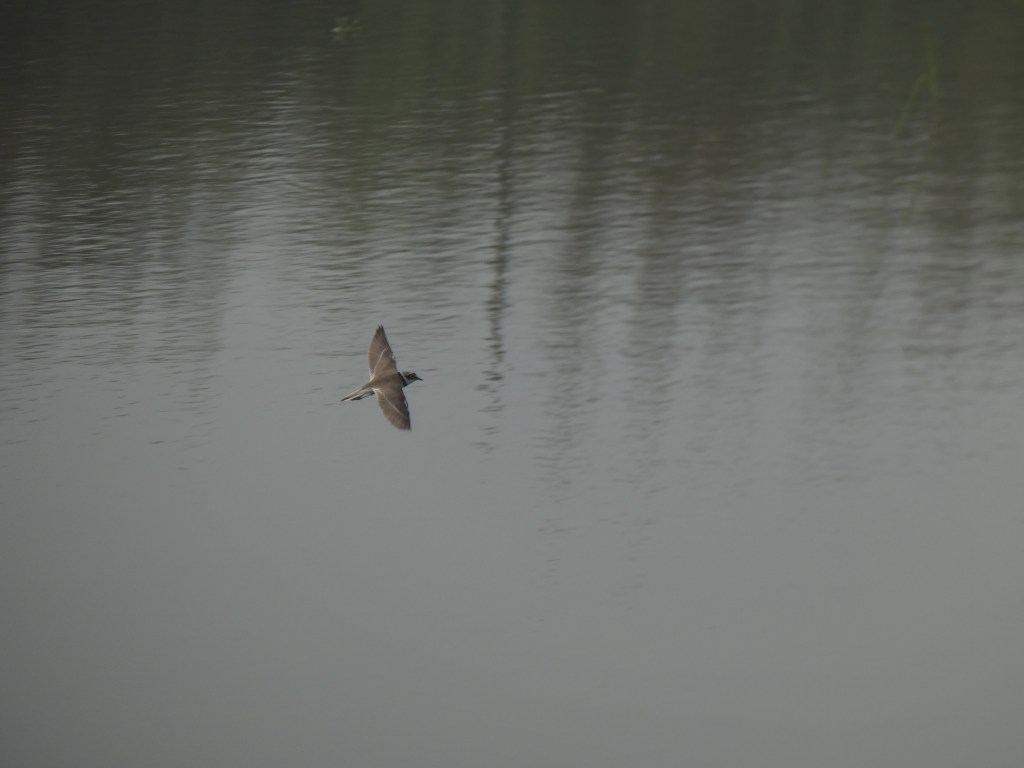
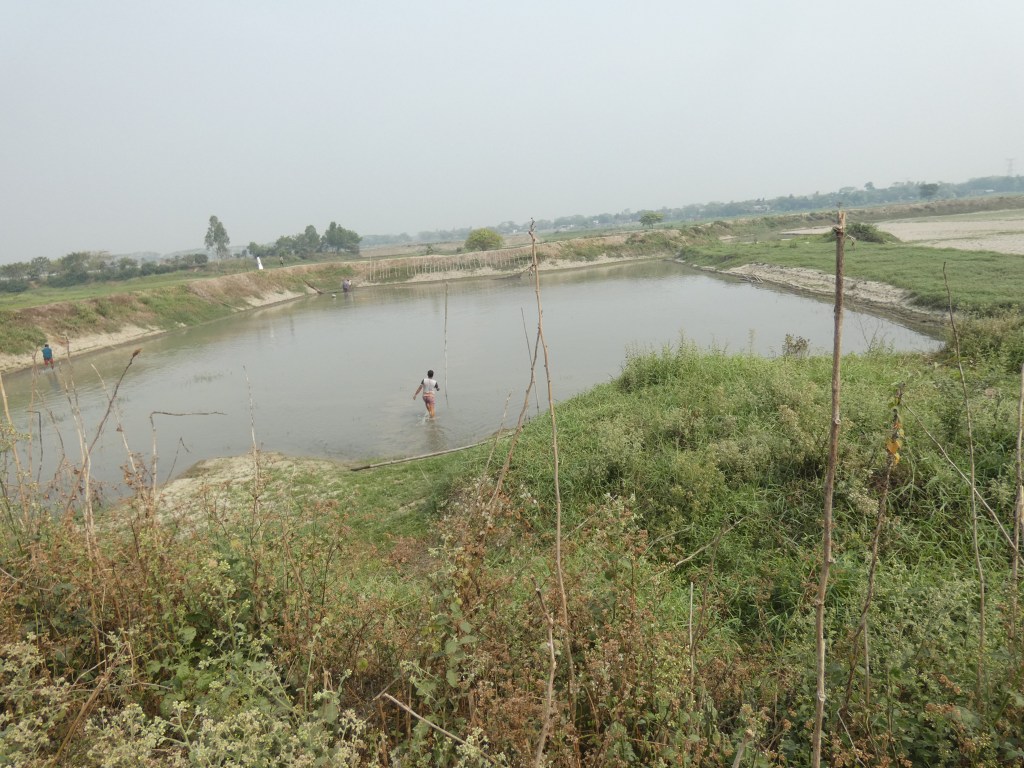
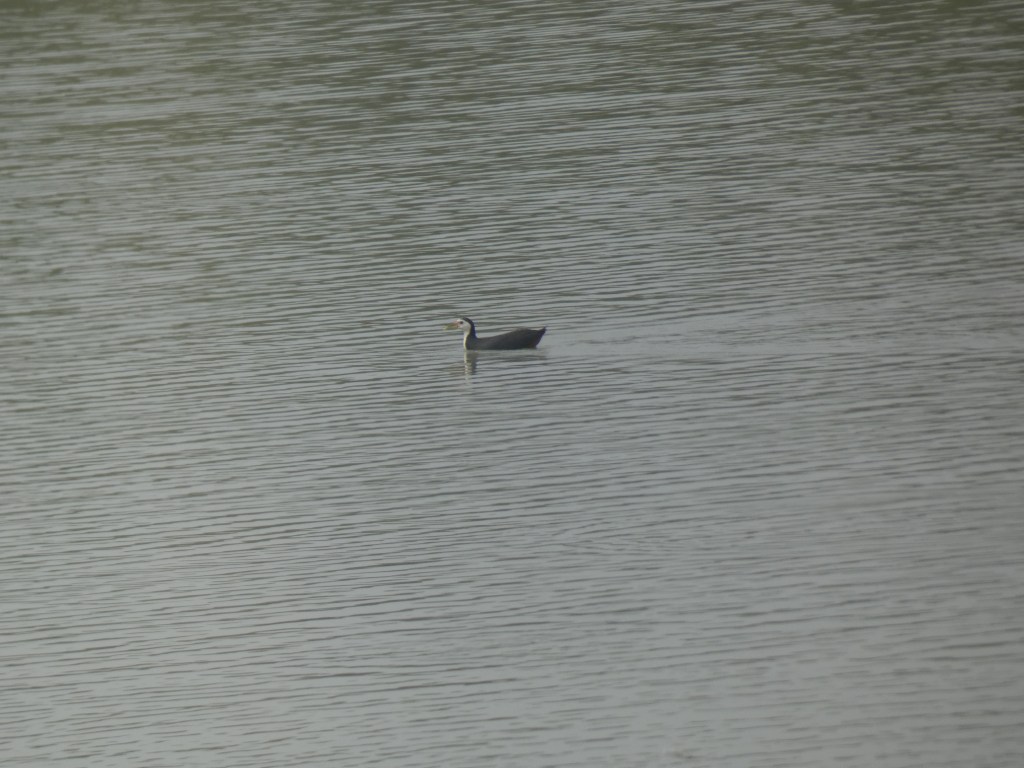
Back in the largest pond I saw something unusual, a waterhen that appeared to be swimming from one strip of land to the next. It may have just been walking along the bottom though since I know it is very shallow.
In some thick brush I had a Blyth’s Reed Warbler singing, which was a first for me. I asked Sayam Chowdhury and he confirmed that this wasn’t unusual and Blyth’s Reed can stay until late April. I got a poor quality recording of it. I also had another Acrocephalus warbler calling more than usual from another thick clump of bushes, but haven’t IDed it yet. I think probably Clamorous Reed Warbler.
Both Common and White-throated Kingfishers perched quite nicely for me.
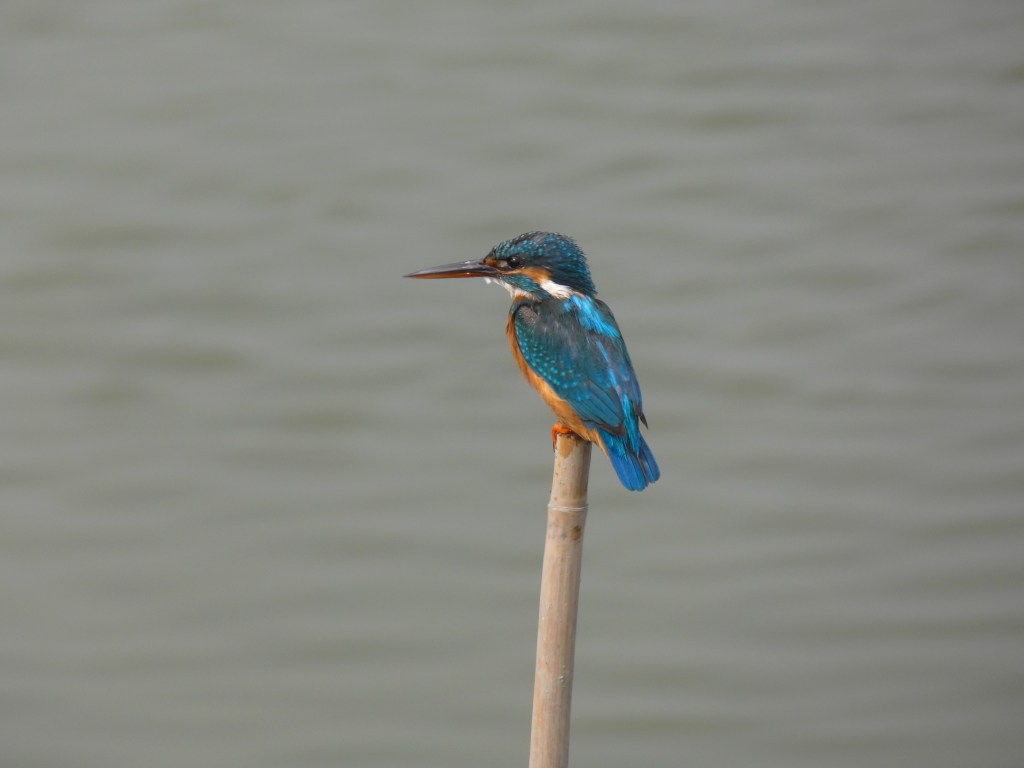

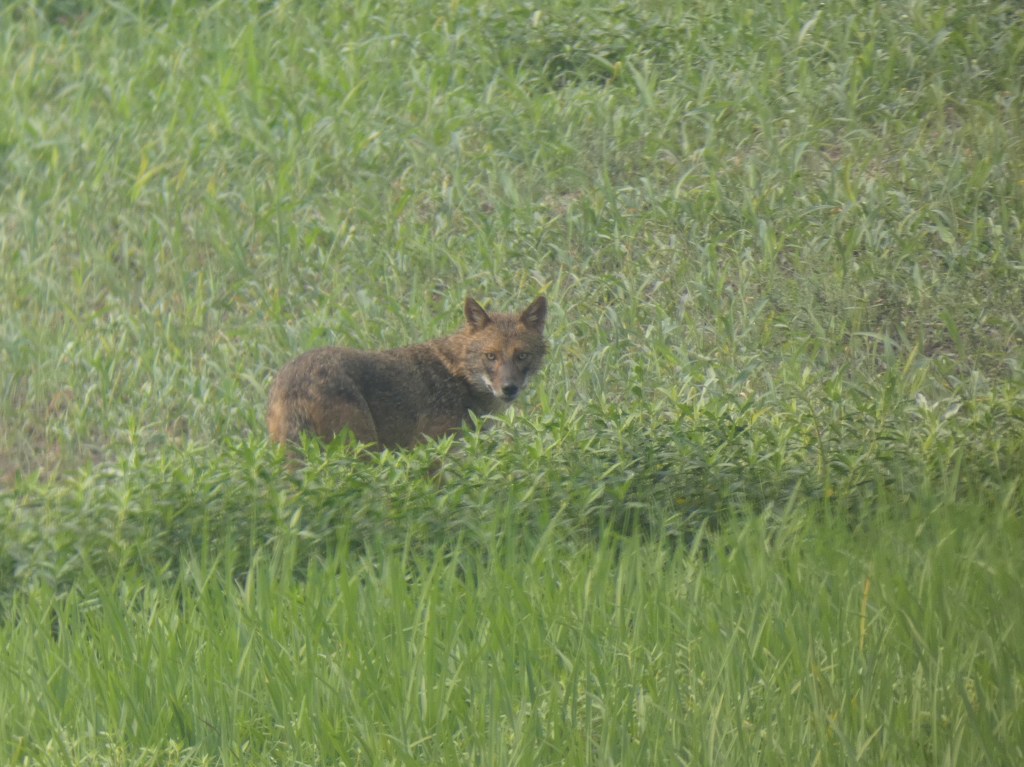
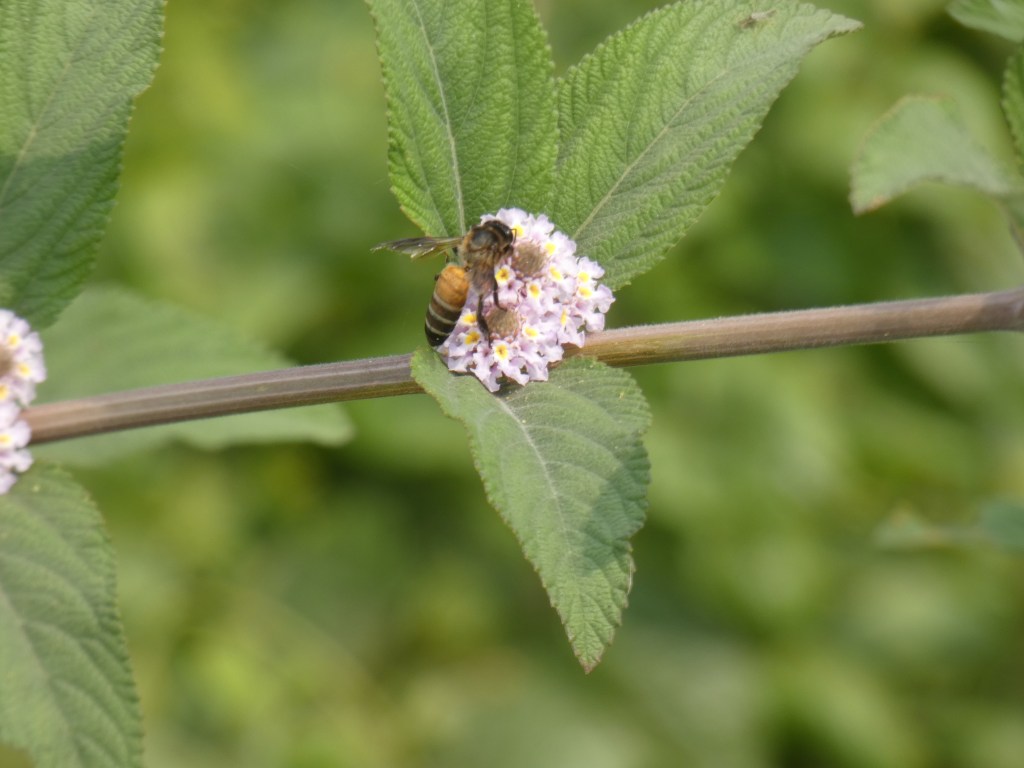
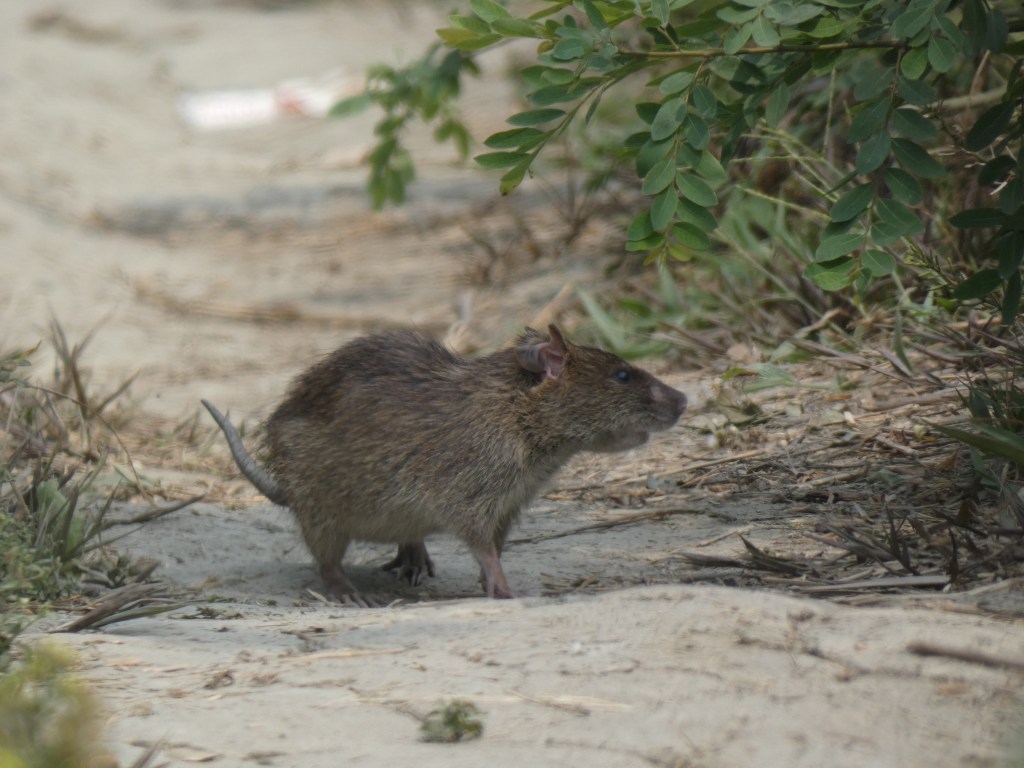
There wasn’t much bird movement on the way back to the bikes except for the first White Wagtail of the day. Some other wildlife provided fun distractions along the way though.
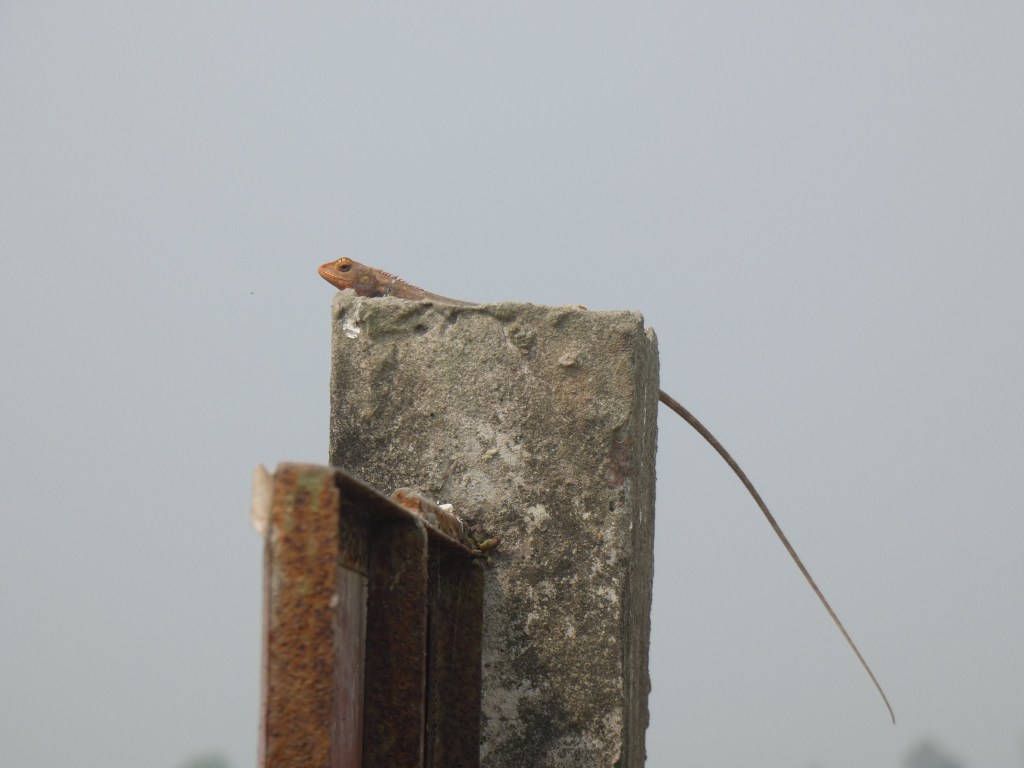
Once I got back to my bike, I noticed a handsome Changeable Lizard just chilling (well technically warming itself in the sun…) on the top of the concrete pole I had locked my bike. It was easily over a foot long including the tail.
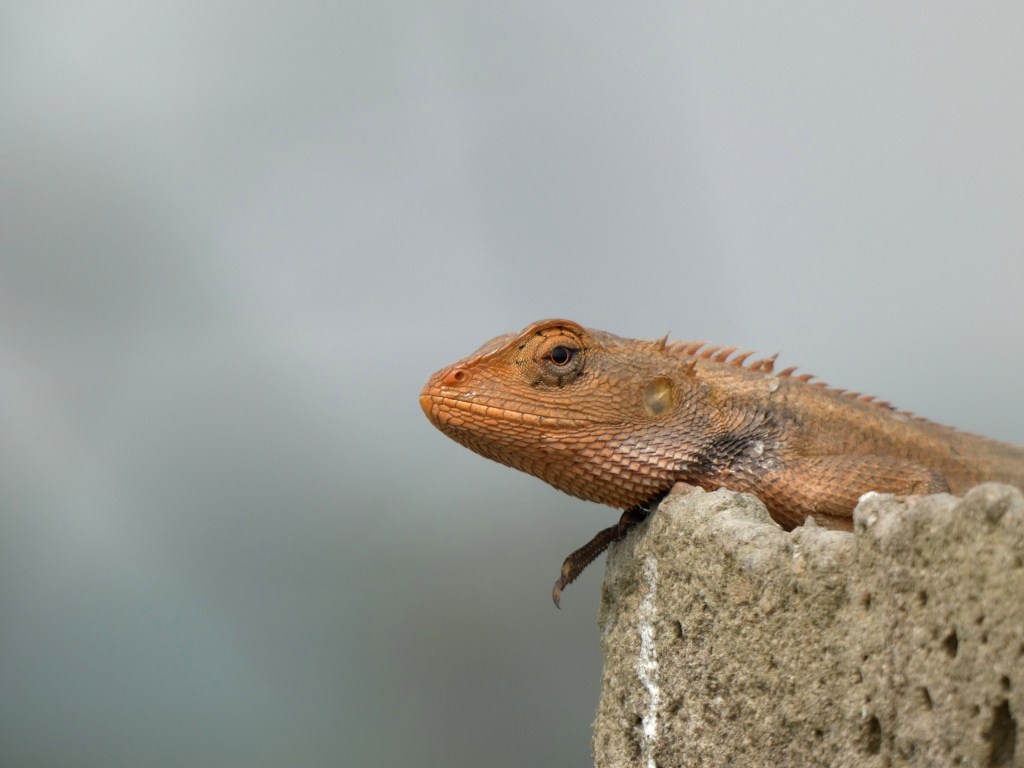
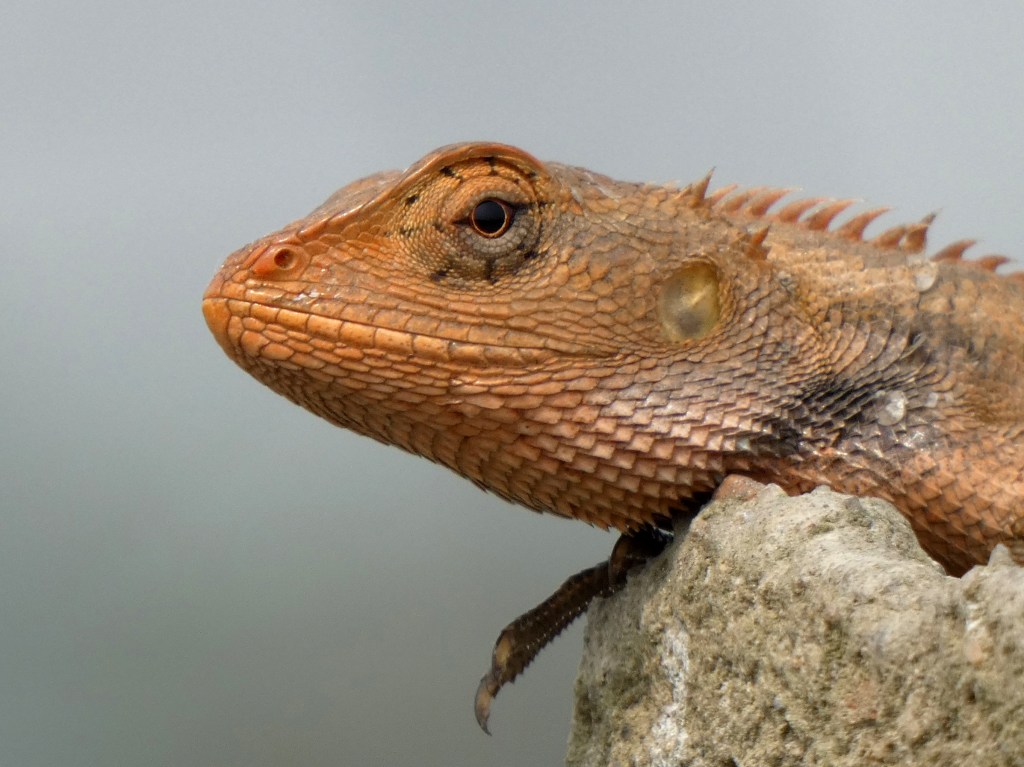
I ended up with 51 species (of birds) plus a number of other animals, and some decent photos. As I was biking back home I realized I hadn’t thought of COVID-19 even once while I was birding!
eBird checklist: https://ebird.org/checklist/S65996023
If you enjoyed this post, please subscribe for more. As always, feel free to comment!


The shot of the Little Ringed Plover, was a good one, for sure! I took some birders out this morning. Nearly froze! 🙂 32 degrees. Lots of ducks, a Bald Eagle, and a Northern Shrike.
LikeLiked by 1 person
Sounds like fun except for the cold!
LikeLike
For sure! Nice to hear from you!
LikeLiked by 1 person
Now that’s a starling I would actually like to see! Great variety in this post, love seeing both the birds and the rest of the wildlife.
LikeLiked by 1 person
Yeah, they’re definitely more colorful that European starlings! Though I must admit, I’d love to find a European starling here, since they’re a pretty good rarity!
LikeLike
I’ve just been catching up on the first few posts of your blog. It’s great to see your local birds and wildlife in Bangladesh! Also a couple of them I have seen or at least I’m familiar with their names!
I love the kingfishers in this post. You’re lucky to have a few different species, and very pretty ones, in your local patch!
LikeLiked by 1 person
Yes, we’re lucky with how many kingfishers we have in Bangladesh. I’ve got the four most common species in my 5MR: White-throated, Common, Pied, and Stork-billed Kingfishers. Down by the coast you can also find Black-capped and Collared Kingfishers. Blue-eared is quite similar to common, but I think maybe more down south, at least that’s where I’ve seen it. In the Sundarbans (mangrove forest) we’ve also got Ruddy and Brown-winged Kingfishers. Then we’ve also got three rare ones: Black-backed Dwarf Kingfisher, Crested Kingfisher, and Blyth’s Kingfisher (very rare, forgot it was ever recorded here till I just checked). Total of 12 species possible in our tiny country!
LikeLike
What a surprise bird visit this has been during COVID-19 isolation, Seth? The landscapes and the birds of Bangladesh are beautiful. It was a stunning experience to observe from your lens. With most of us already in isolation, seeing the outer world has become a real pleasure for all of us.
LikeLiked by 1 person
Some great birds there – adult male Citrine Wagtails are indeed stupendous birds! I also like seeing the habitat shots to get the context for your birding.
LikeLiked by 1 person