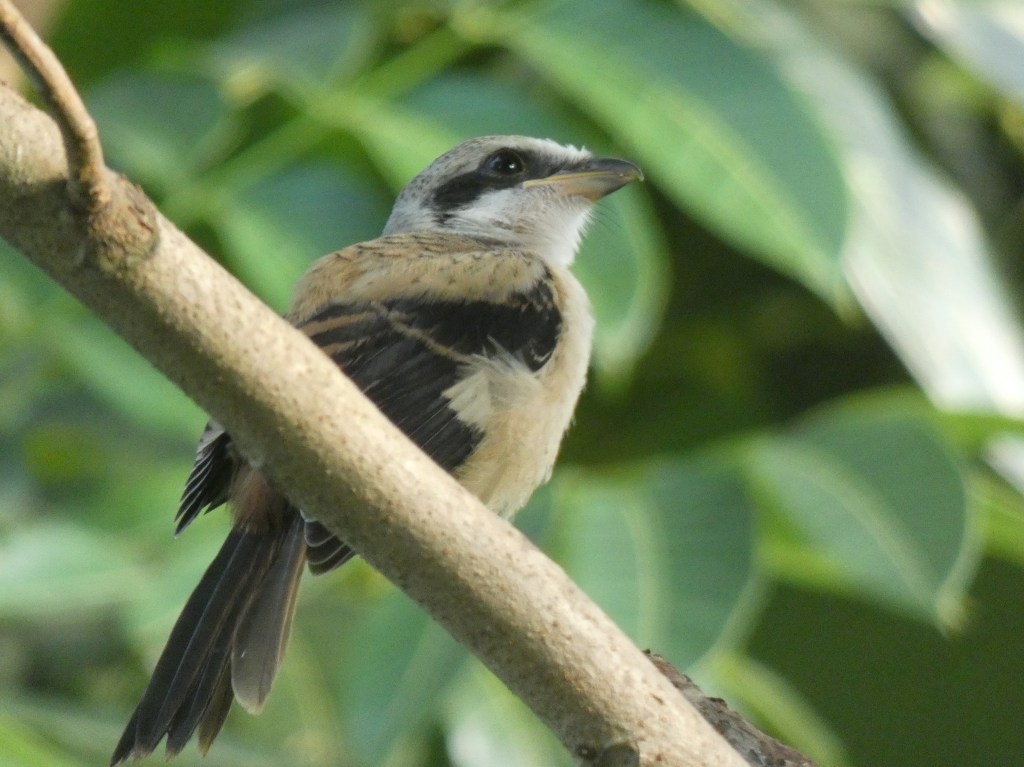
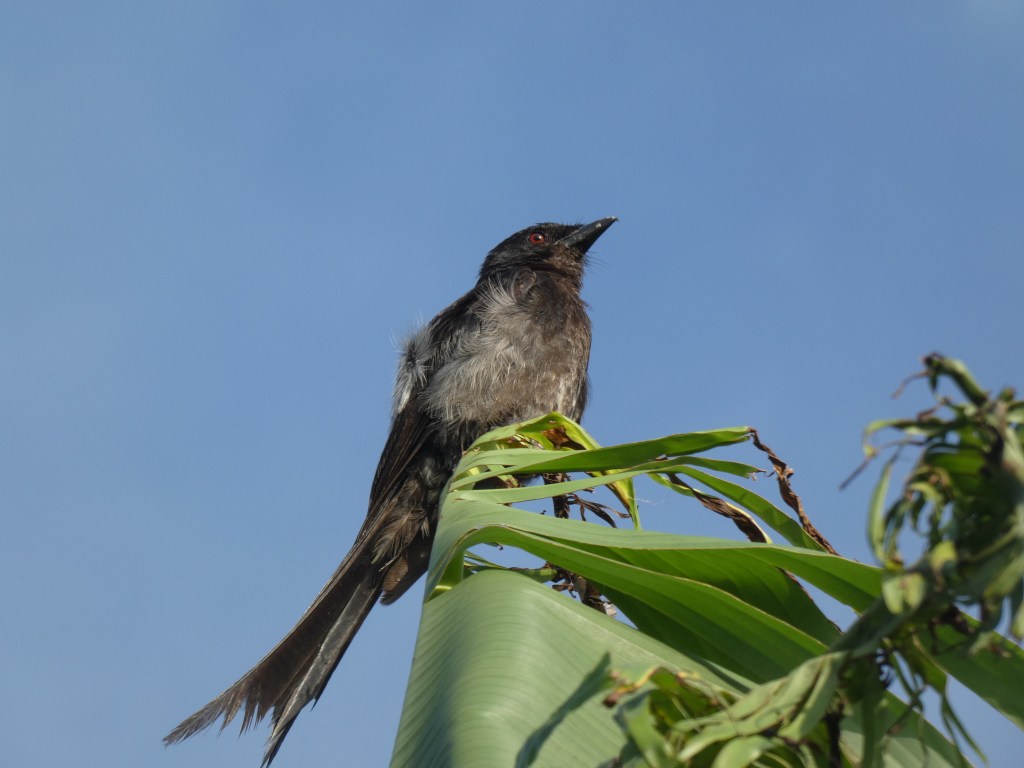
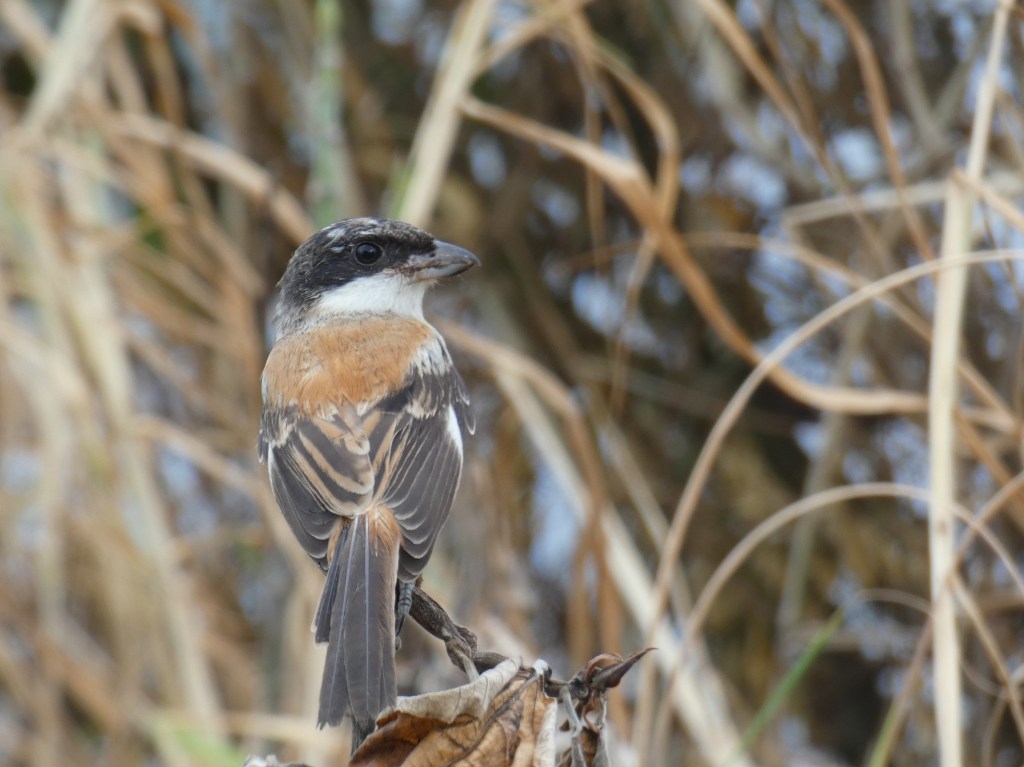
This weekend I was able to make it out to New Vision again. Nic didn’t come this time, but it’s sometimes fun to bird alone. Some of my first birds after locking up my bicycle were two juvenile Long-tailed Shrikes along with an adult.
The beginning of the trail has small trees along it so it’s a bit cooler, but once you’re out in sun it feels very hot even with temps in the low to mid 80s. Thankfully clouds were blocking the sun at least some of the time, making it more bearable.
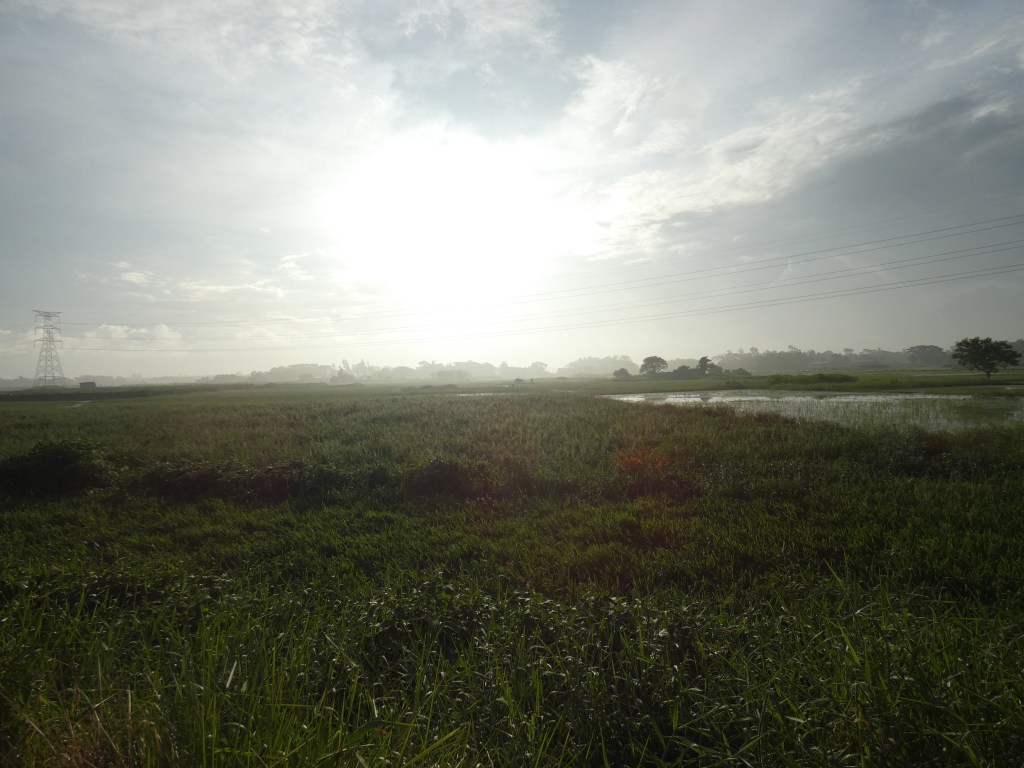
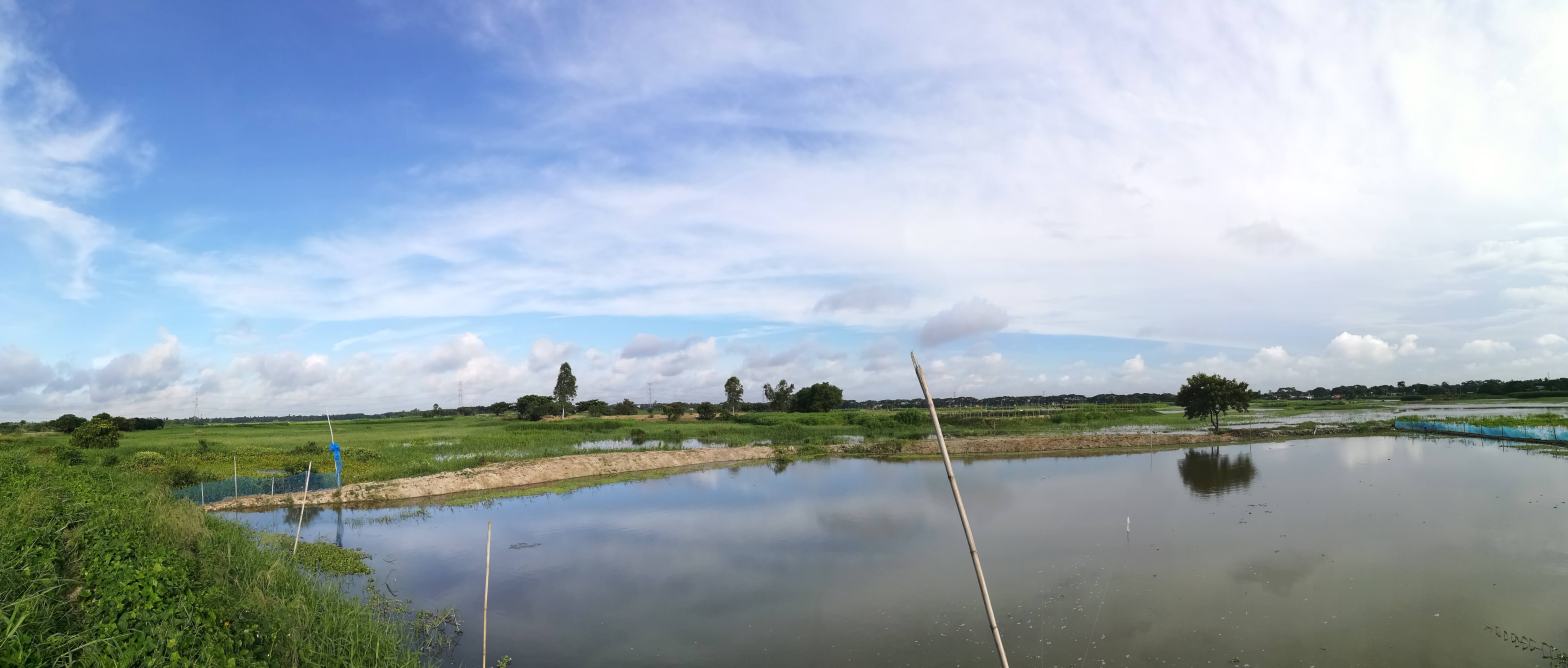
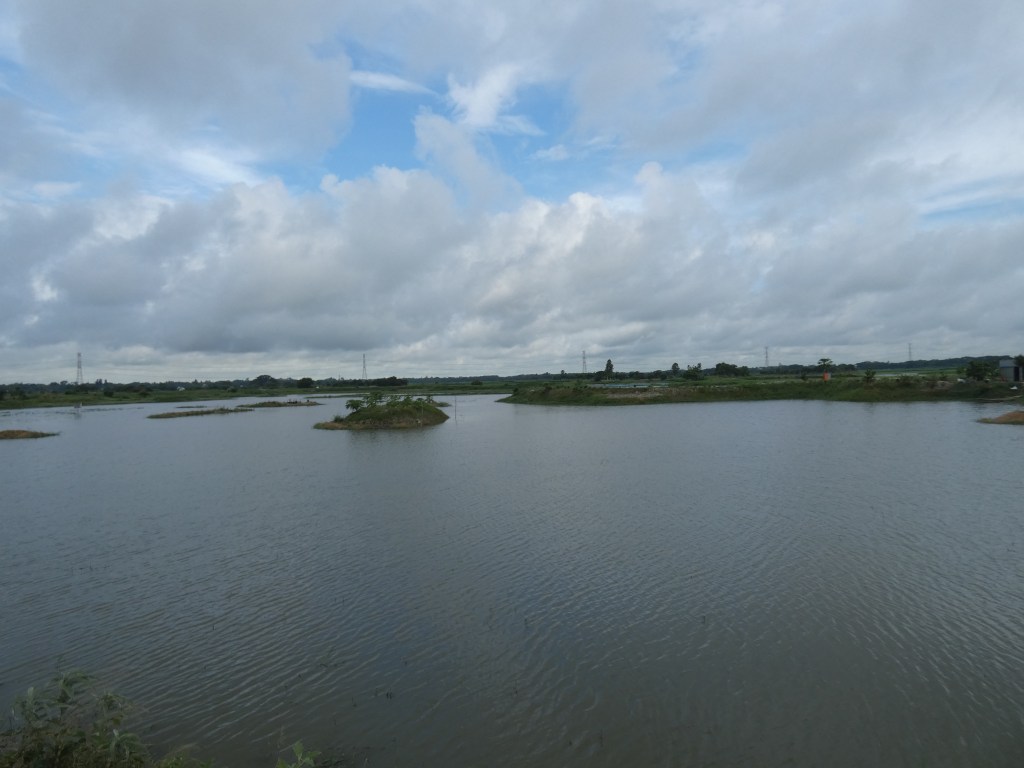
Everything was super green just like two weeks ago, but the rain since then was definitely noticeable as everything was even more flooded.

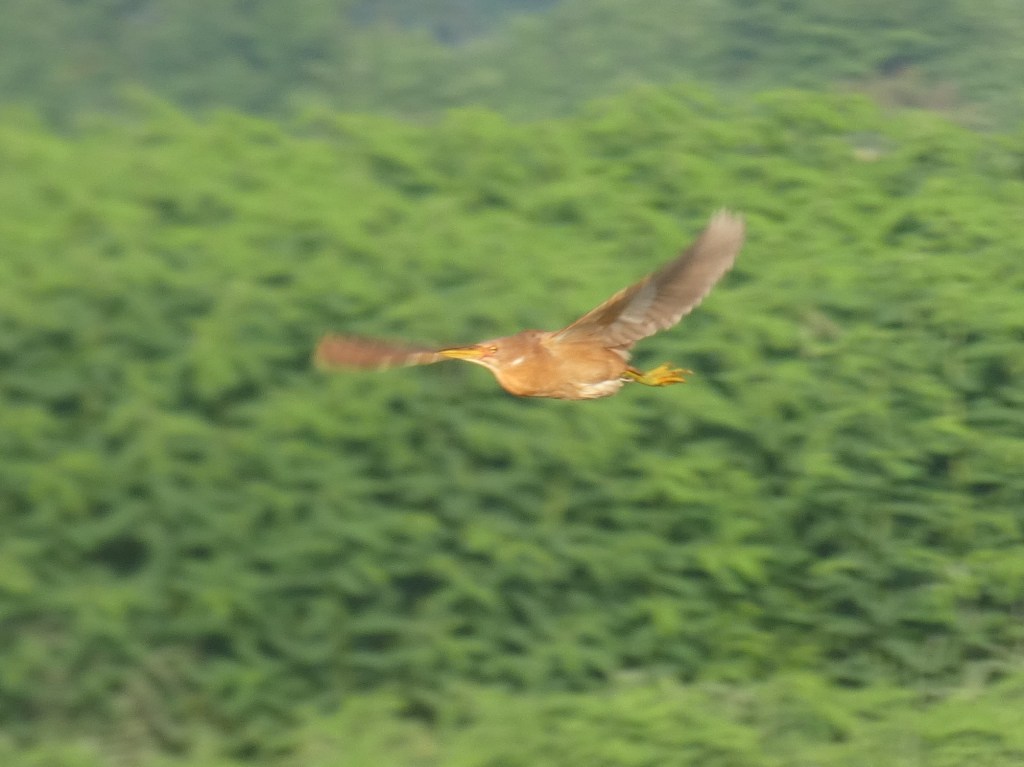
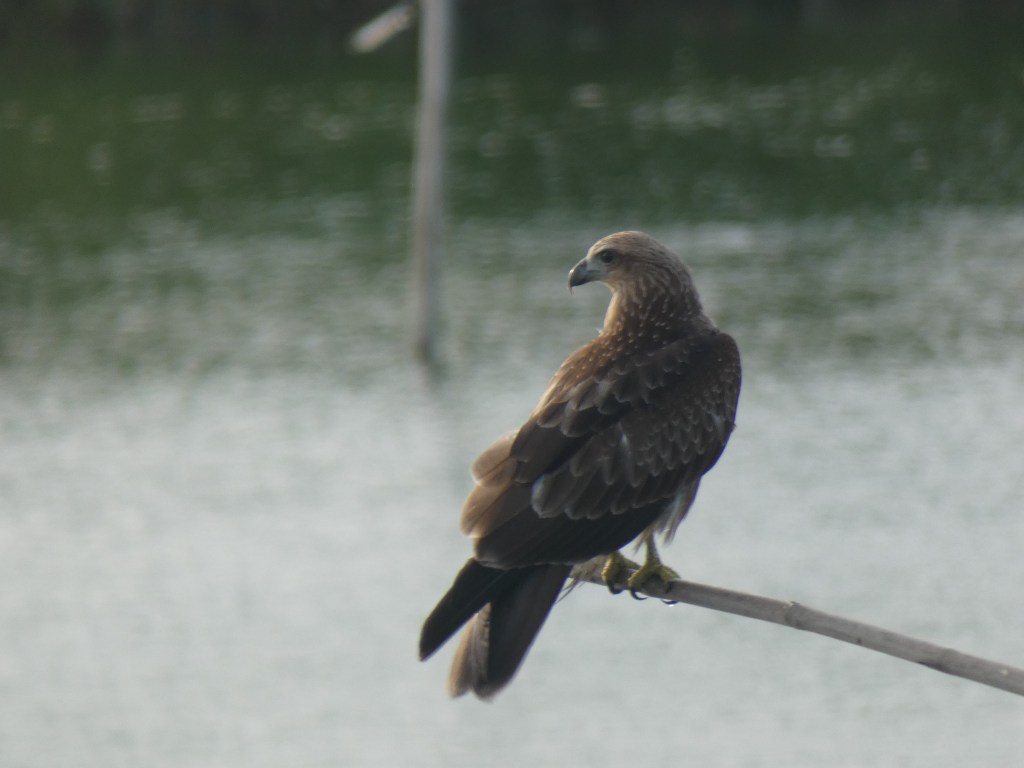
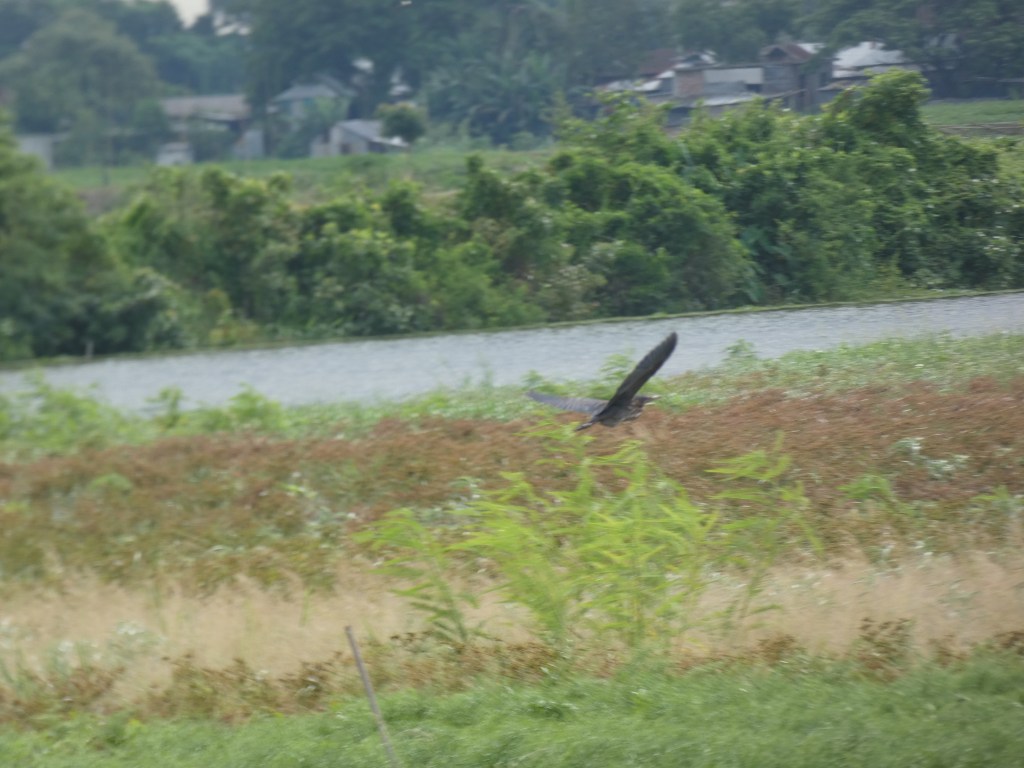
Bird movement in general seemed a bit slower than two weeks ago, but that may well have been because of the hotter weather. I did see a Cinnamon Bittern flying towards me, and was able to get my best in flight shots of the species yet. Not a super sharp shot, but the colors are very vivid.
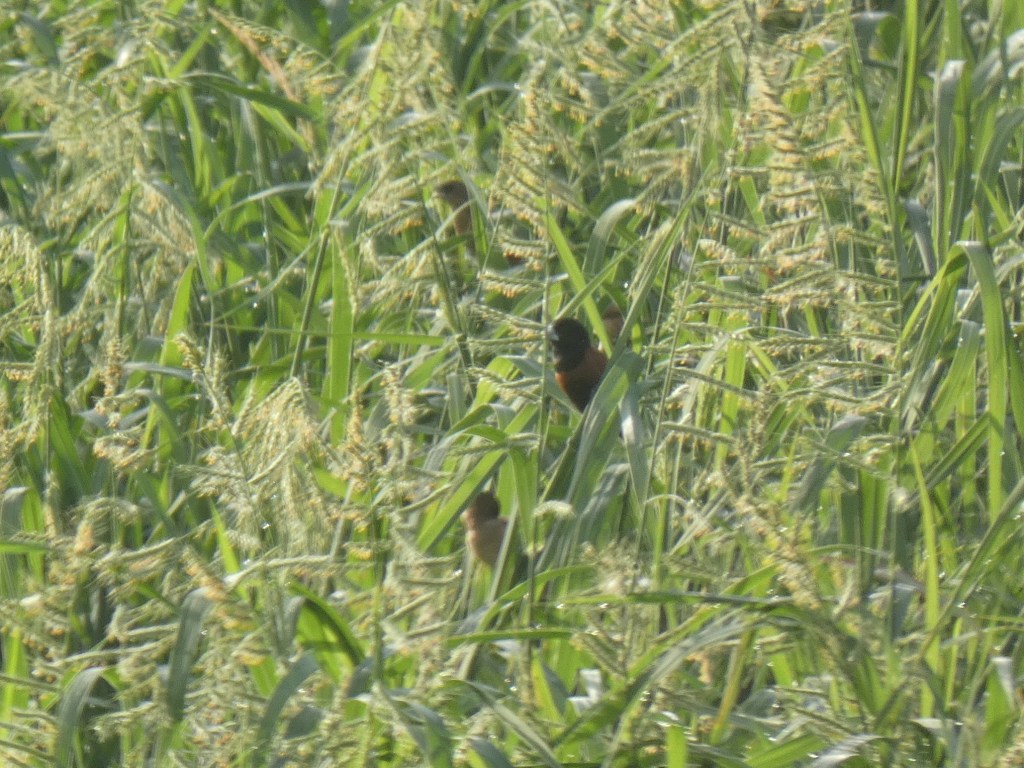
Just before and after the bittern I saw my only munias of the day: two Scaly-breasted Munias and then six Chestnut Munias all in some reeds/grasses just beside the trail.
I also enjoyed seeing the pond herons in breeding plumage again. During the winter they’re so drab, but during breeding season their plumage is really beautiful!

The one swampy area was absolutely chock full of pond herons. I counted 70+ pond herons along with at least 20 Little Cormorants.

I was sad to see the spot where I had suspected the black bitterns to be breeding last time was completely cut leaving only open water.
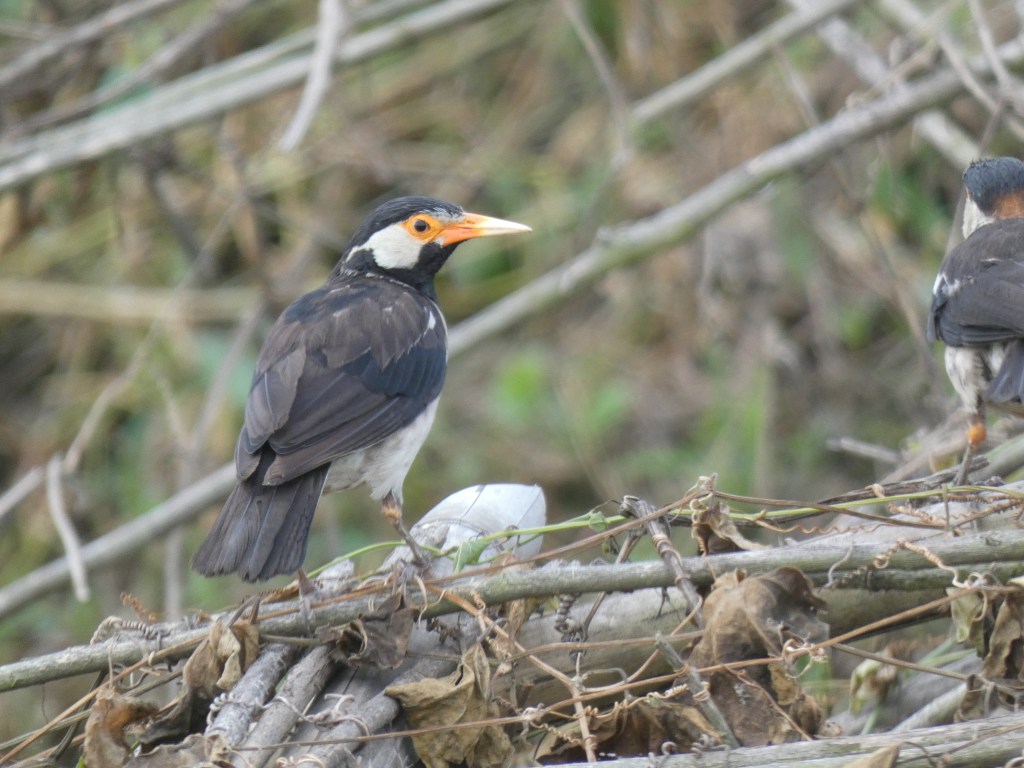
Asian Pied Starlings were everywhere, and definitely the most numerous bird closely followed by pond herons.
I soon saw a Black Bittern flying, so I was assured they hadn’t moved on. Plus I soon started seeing other swampy areas that hadn’t been cut which was reassuring. At this point I had birded around an hour and a half and had covered nearly all the area that took me 3 hours last time, so bird movement was definitely down, but then I remembered the one trail that goes along the south side of the swampy area that had been full of pond herons. Two weeks ago the trail hadn’t been in great shape and I had already birded a fair bit so I didn’t take it, but this time I had plenty of time so I decided to take that trail.
Immediately I was seeing loads of dragonflies which was fun again so I took some time to photograph them. (those photos are coming shortly in my insect section of the post 😉
Also found a young Long-tailed Shrike that was getting close to adult plumage. It was quite bold and allowed me a few closeup photos before moving on.
Two flyover Lesser Whistling Ducks were some of the first I had seen, and a Striated Heron was good to see here again. Then I got that shot of adrenaline when suddenly a Black Bittern flushed from right near the path!
I watched it as it landed in some thick vegetation, and as usual it just disappeared as soon as it landed.
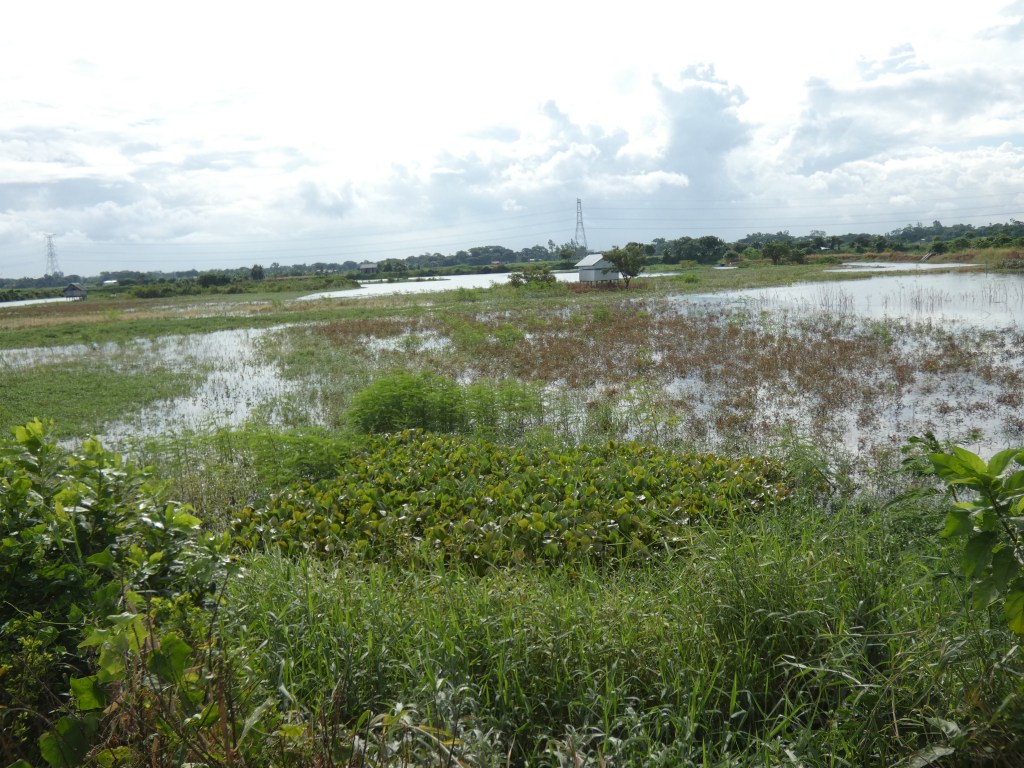
Also along this path were the only two really active Baya Weaver colonies. They were both fairly small, but all the other colonies that I saw two weeks ago were barely active at all this time.
I also saw many cool insects, especially butterflies and odonata with 8 identified species of butterflies (that I remember) and 10 odonata species. I had one butterfly lifer: a Gram Blue.
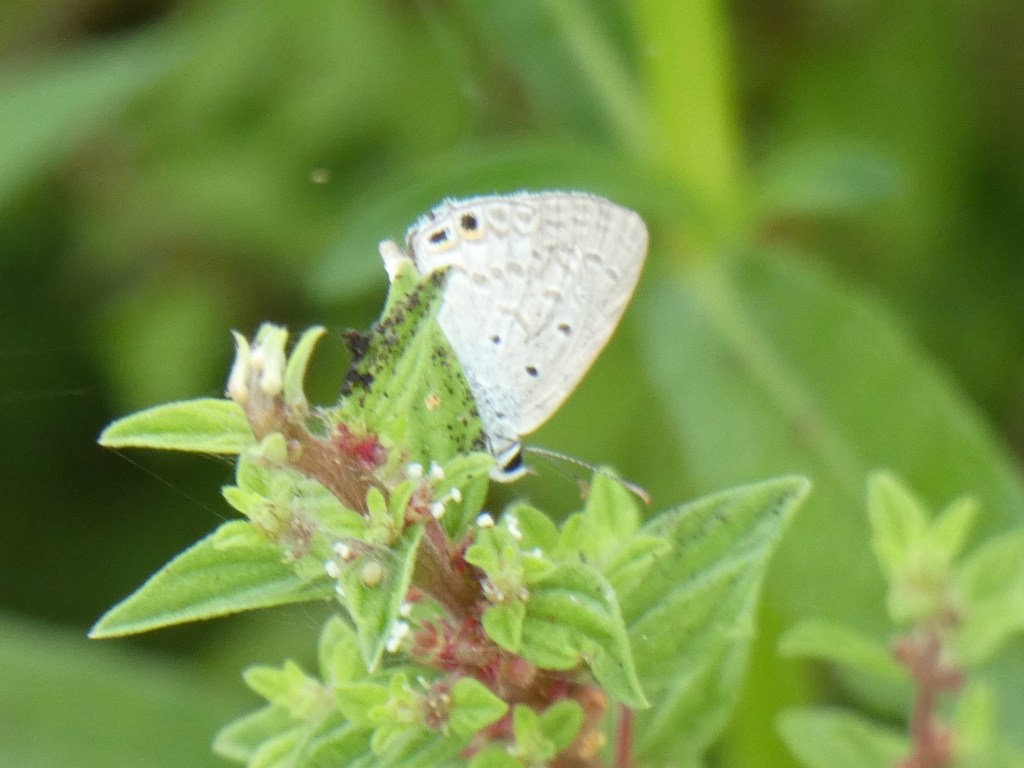
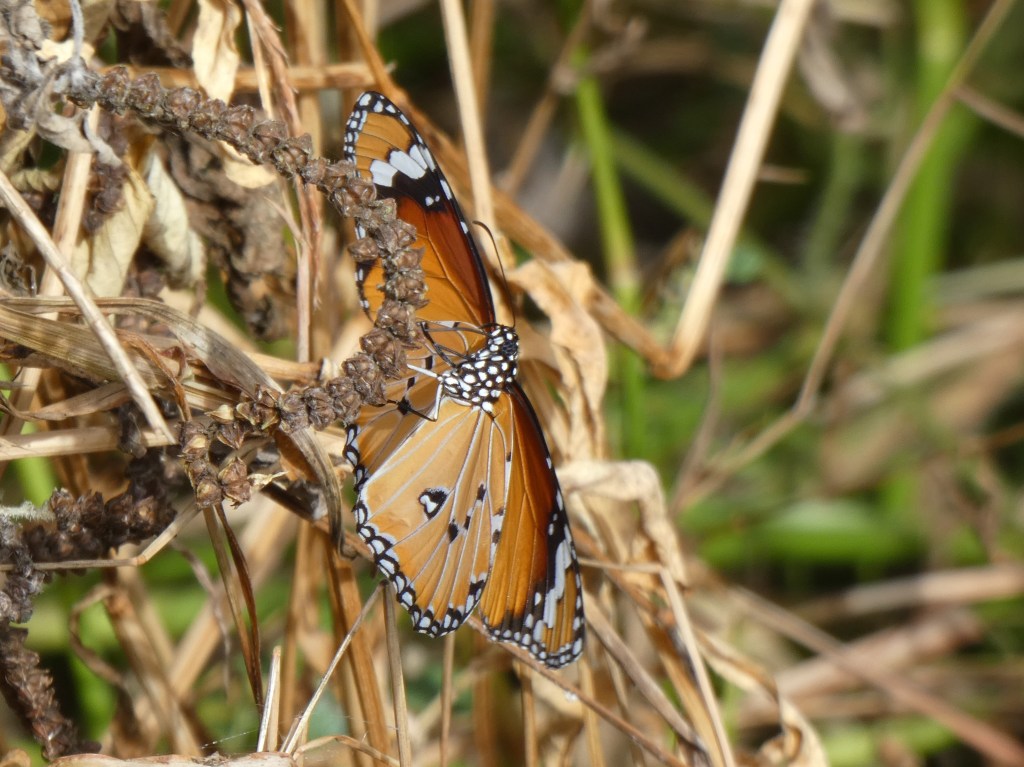
This one had me excited at the time, until I later heard it was just a female Great Eggfly. The males look quite different as they’re all black with four large purple spots, and I’ve seen the males multiple times, but never the female before.
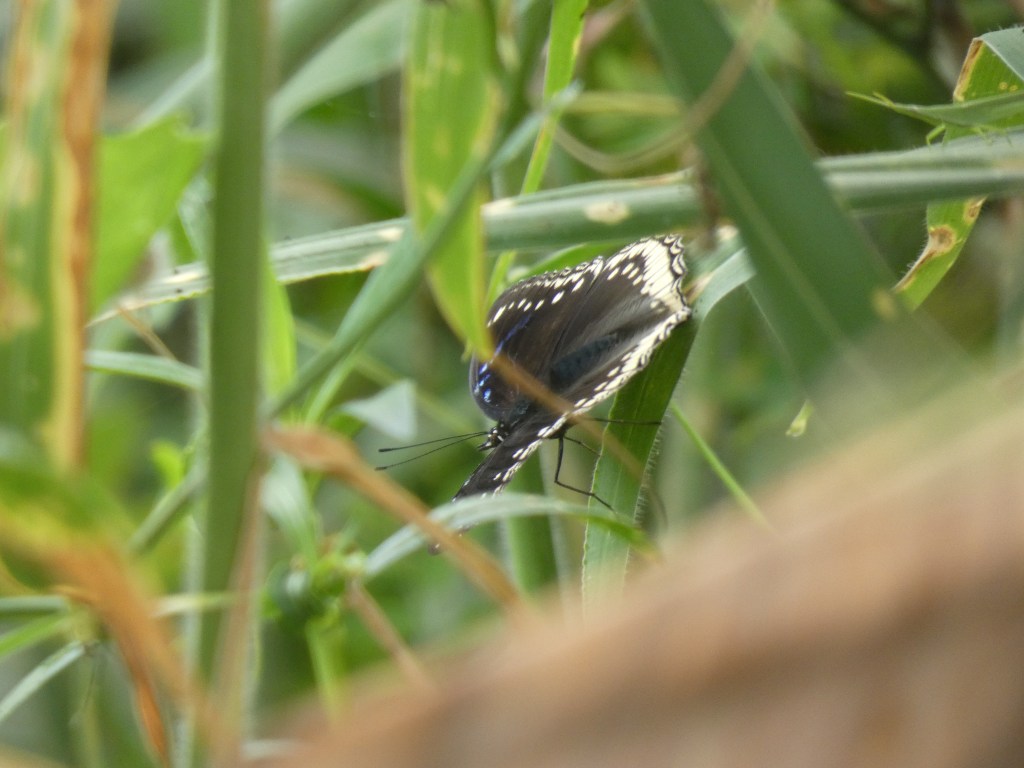
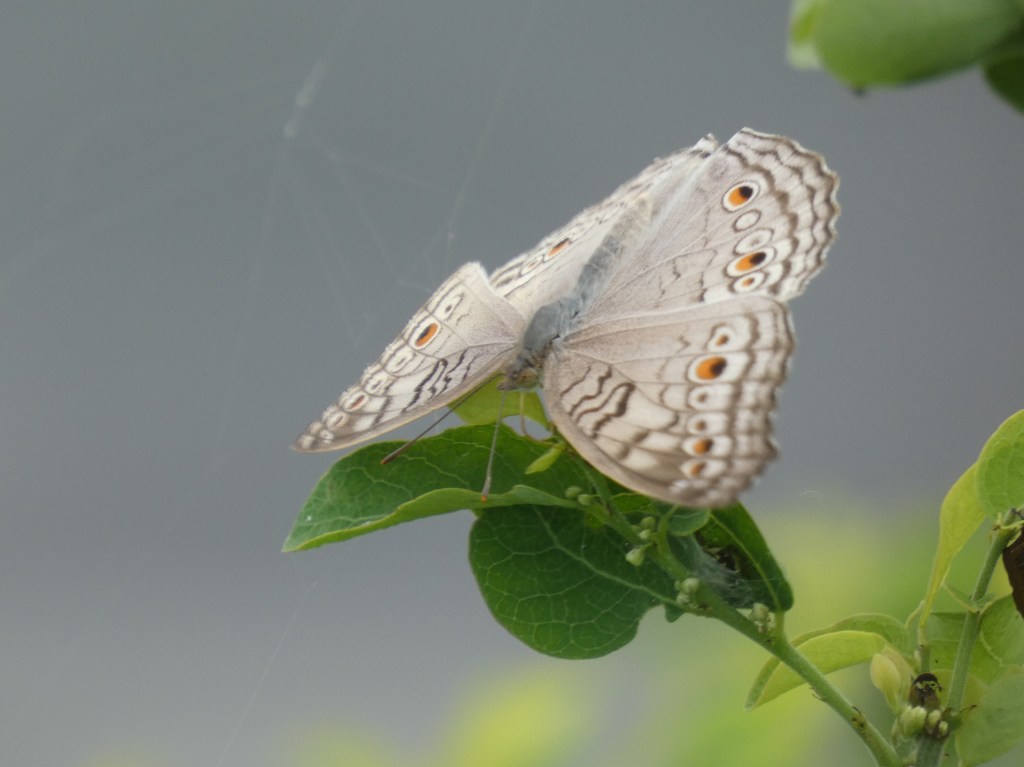
I also had several of the very common butterfly species
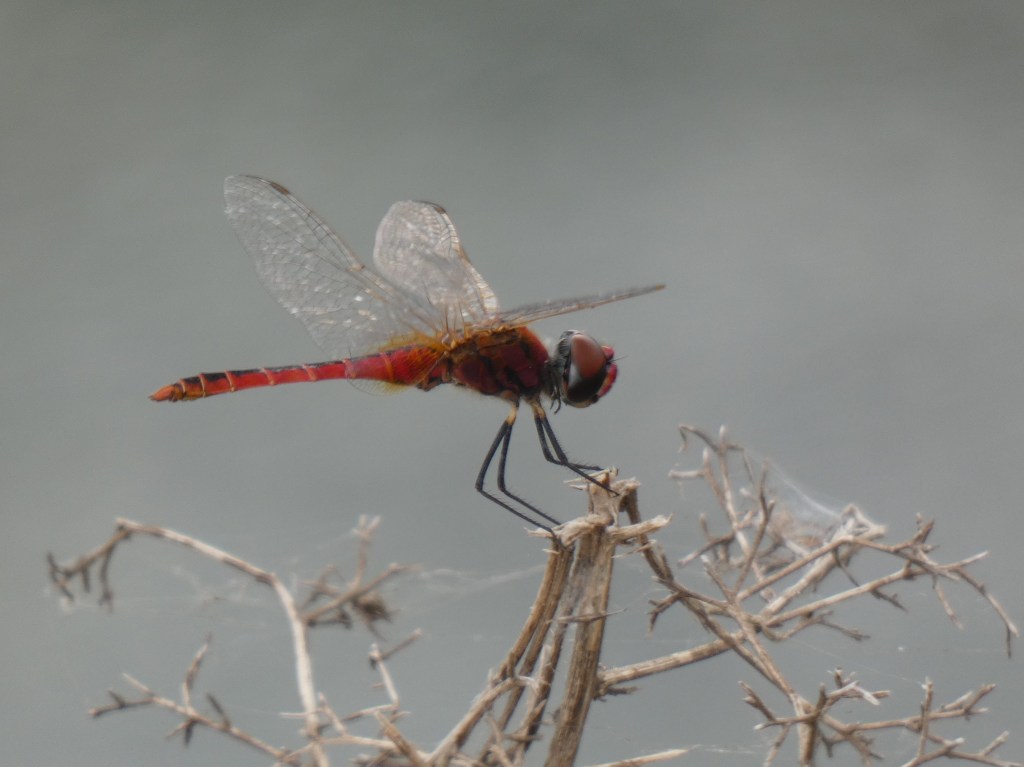
The best surprise for insects was a Wandering Pennant (Macrodiplax cora). I didn’t know what it was, but knew it was different from the other similar looking dragonflies I’ve seen, so I posted on a BD odonata group and was happy to here it was actually something pretty rare! They’re usually a coastal species, and this appears to be the first record from a non coastal division in Bangladesh!
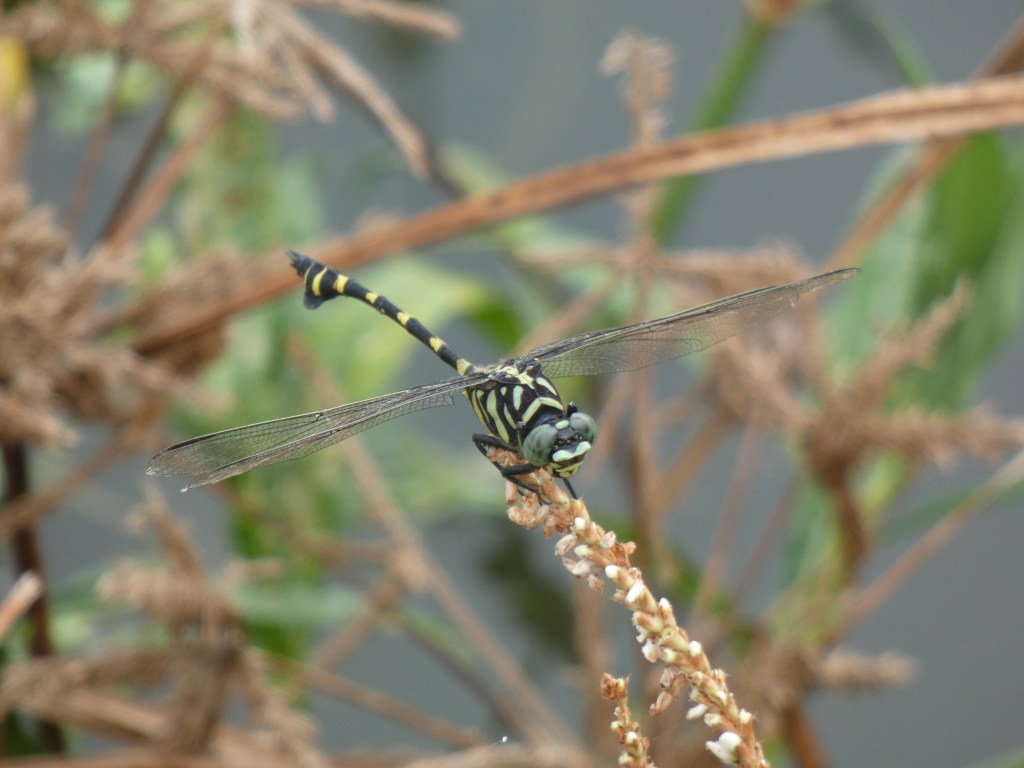
Another dragonfly lifer was a Common Clubtail. They’re common in BD, but I’m very much a newbie with dragonflies and have only seen 15 species in country, so it’s not too hard to find something new.
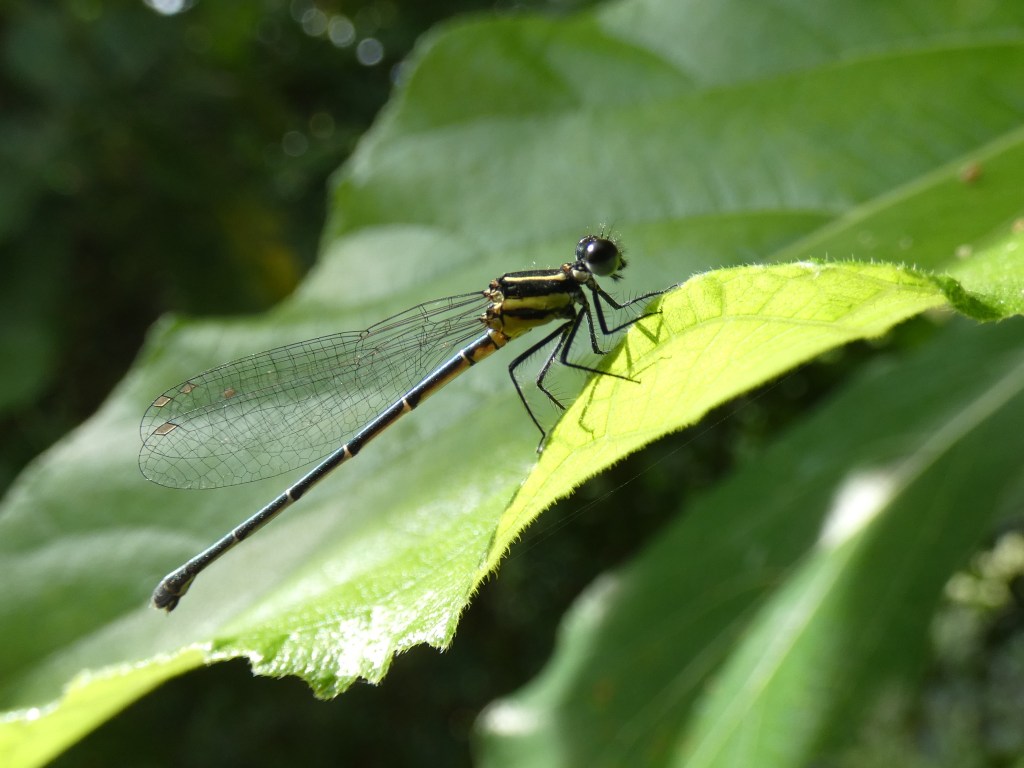
A Marsh Dancer (damselfly) was also fun.
I had several other common odonata species as well, with Pied Paddy Skimmer being a first of year (FOY) for me.
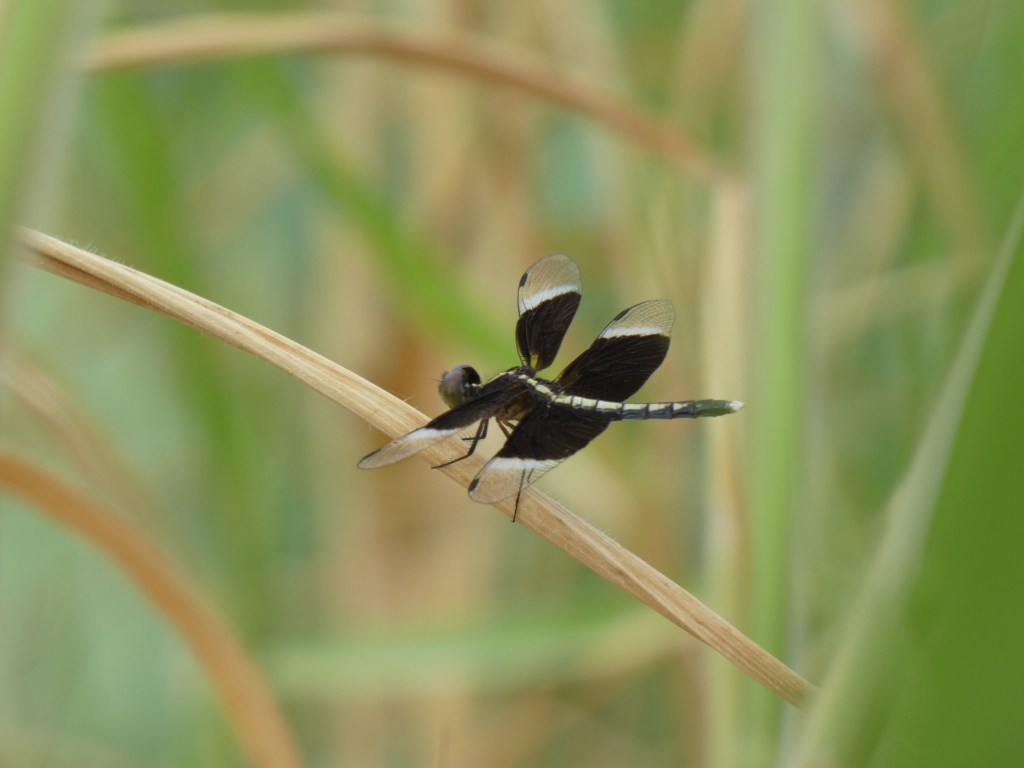
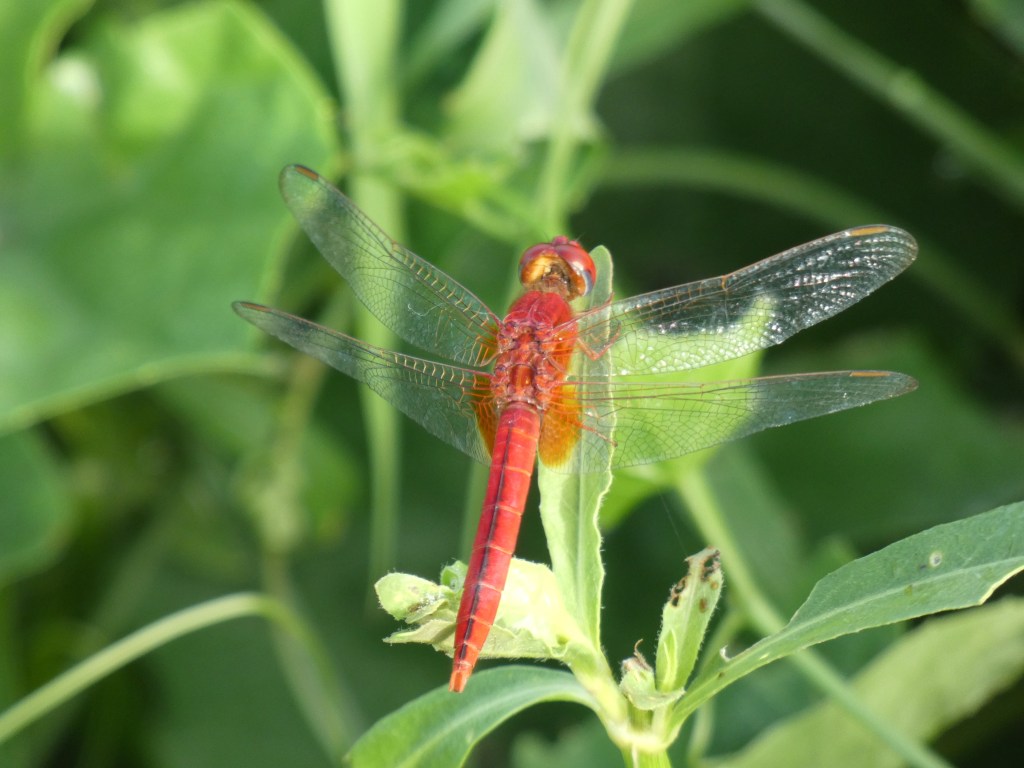
Scarlet Skimmers are super common, but they’re such an awesome vibrant red that they always make me look twice!
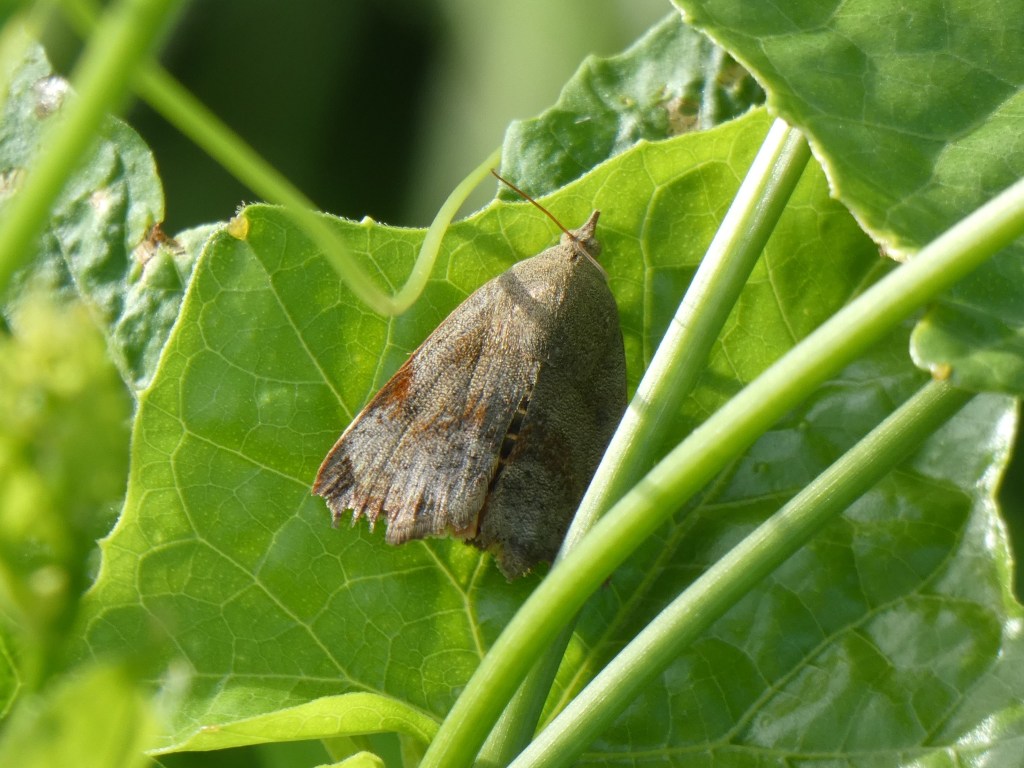
Another insect highlight was a Hyblaea puera, a new moth species for me though that doesn’t mean a whole lot since my moth lifelist is around 10…
Back to birds: the last and best surprise of the whole was when I saw a Black Bittern in flight then saw it land and stay somewhat out in the open! This is the first time I’ve ever seen a Black Bittern when it wasn’t in flight, and it’s a fun rare sight!
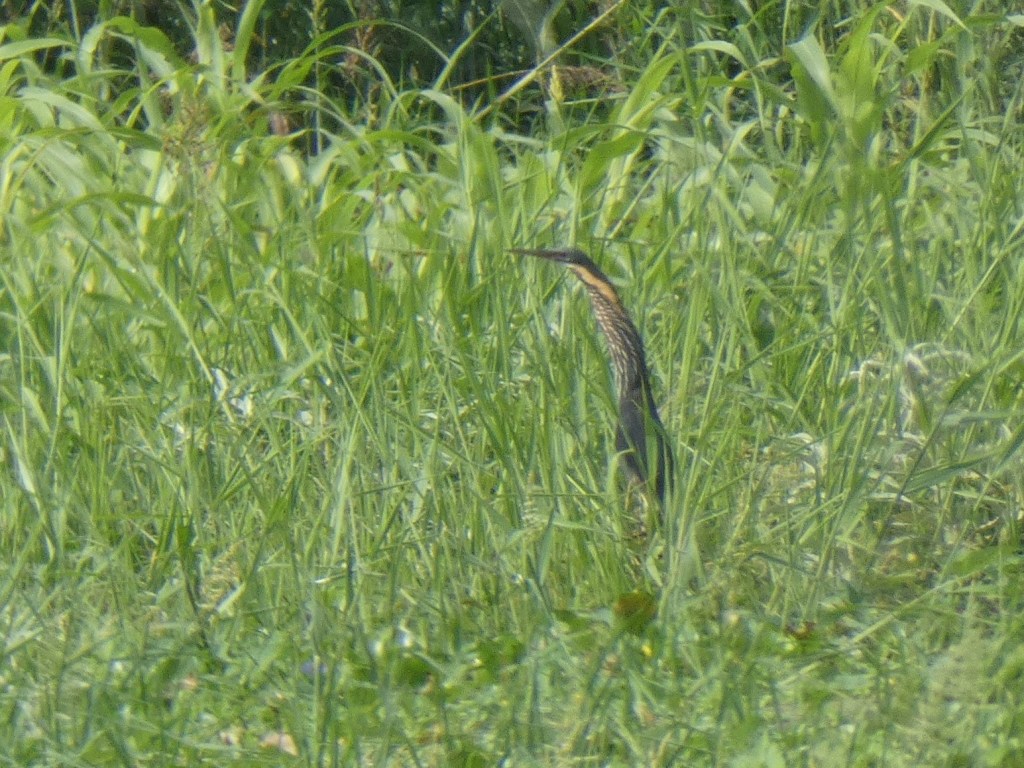
Even weirder was how close this shy bittern was to some of the locals!
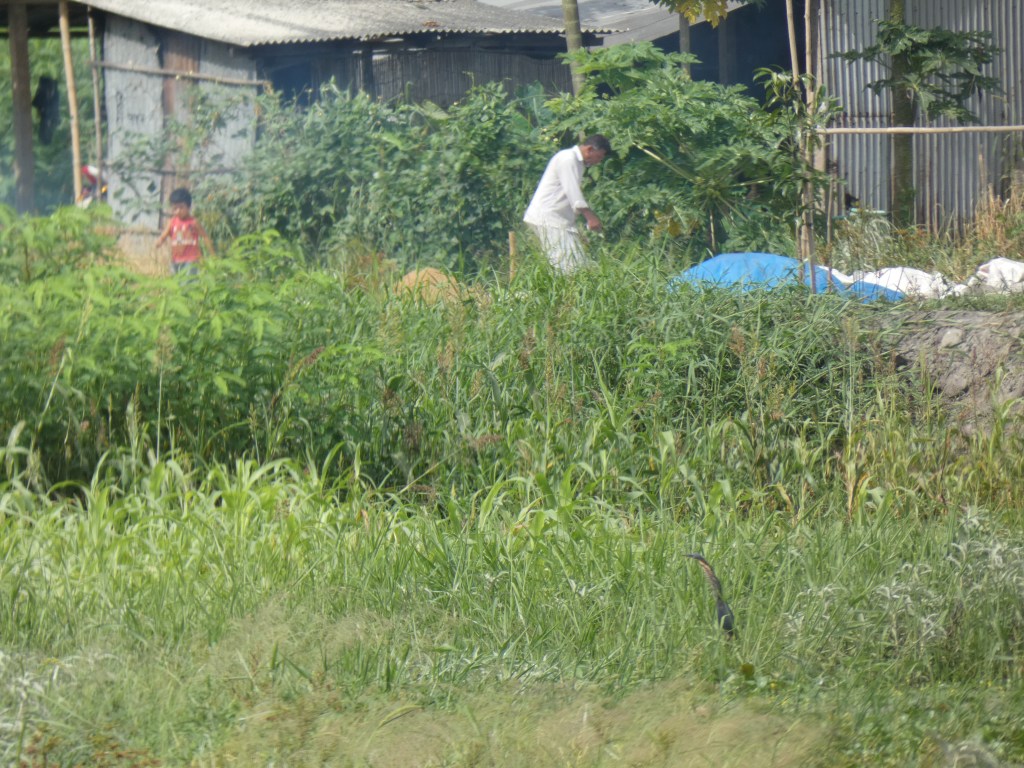
That sure ended the day on a high! I quickly biked to the other entrance path as I had seen a possible cuckooshrike fly that direction earlier, but didn’t see anything there, though I did hear my only Plaintive Cuckoo for the day.
I ended up with 46 species (of birds) which is really quite good for monsoon season and shows what an amazing hotspot this bit of farmland area is! And when you include the 8 species of butterflies, 10 odonata, 1 amphibian, 1 mammal, and the many different insects I saw you realize what an incredible amount of diversity this place has. Now it’s only a matter of time before this gets developed as it’s so close to the city, but we will enjoy it while it lasts!
eBird checklist: https://ebird.org/checklist/S71109209
If you enjoyed this post, please subscribe for more. As always, feel free to comment!


Nice collection of photos! And a nice number of species! Have a good day. I will probably see Dusty again, before you do?!? 🙂
LikeLike